
UN Finds RSF Siege Shows 'Genocide Hallmarks' in Sudan

UN fact-finding mission concludes RSF siege of El Fasher in Sudan's North Darfur shows genocide hallmarks, targeting Zaghawa and Fur ethnic communities.
A United Nations fact-finding mission has delivered a damning assessment of the Rapid Support Forces siege of El Fasher, concluding that the paramilitary group's actions in Sudan's North Darfur capital displayed clear "hallmarks of genocide." The comprehensive investigation examined the brutal 18-month occupation that began with the siege of El Fasher in October, revealing systematic targeting of specific ethnic communities. The findings represent one of the most severe international condemnations of the RSF's conduct since Sudan's civil conflict erupted.
The UN-mandated investigators meticulously documented evidence showing that the RSF and allied militias deliberately implemented tactics designed to physically destroy the Zaghawa and Fur ethnic communities within the city. These findings suggest a coordinated campaign that went far beyond conventional military objectives, instead focusing on the systematic elimination of particular ethnic groups. The report's conclusions carry significant legal and diplomatic implications, as genocide represents one of the most serious crimes under international law.
El Fasher, serving as the capital of North Darfur, held strategic importance for both military and civilian populations before falling under RSF control. The city had been a crucial administrative center and safe haven for displaced populations fleeing violence in other parts of the region. Its capture marked a significant escalation in the broader Sudanese conflict, which has devastated the country since fighting erupted between the Sudanese Armed Forces and the RSF.
The 18-month occupation period witnessed unprecedented levels of violence and destruction specifically targeting civilian infrastructure and communities. According to the fact-finding mission's detailed analysis, the RSF's tactics included deliberate attacks on essential services, forced displacement of specific ethnic groups, and systematic destruction of cultural and religious sites important to the targeted communities. These actions align with established legal definitions of genocidal conduct under international humanitarian law.
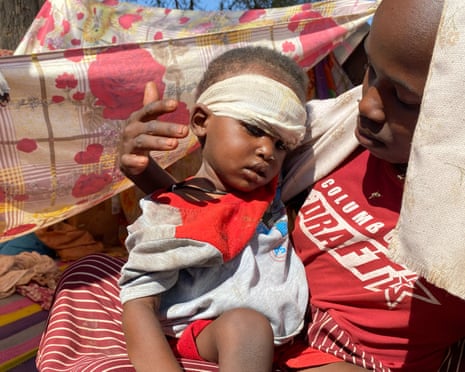
The Zaghawa and Fur ethnic communities bore the brunt of the documented atrocities, with investigators finding evidence of deliberate targeting based on ethnic identity rather than military necessity. These communities have historically faced discrimination and violence in the Darfur region, dating back to the genocidal campaigns of the early 2000s. The recent findings suggest a continuation and intensification of these ethnic-based attacks, raising alarm among international human rights organizations.
Witness testimonies collected by the UN mission painted a horrific picture of life under RSF occupation, with survivors reporting systematic killings, sexual violence, and forced displacement targeting specific ethnic groups. The investigators noted that these actions were not random acts of violence but followed deliberate patterns consistent with genocidal intent. The testimony evidence was corroborated by satellite imagery, medical records, and documentation from humanitarian organizations operating in the region.
The fact-finding mission's methodology involved extensive interviews with survivors, analysis of physical evidence, and collaboration with local and international human rights groups. Investigators faced significant challenges accessing the region due to ongoing conflict and RSF restrictions on humanitarian access. Despite these obstacles, the team compiled substantial evidence supporting their conclusions about the systematic nature of the violence.
International legal experts emphasize that the UN mission's findings of "hallmarks of genocide" represent a preliminary assessment that could form the basis for future legal proceedings. The terminology suggests that while the full legal determination of genocide requires judicial review, the documented evidence meets the threshold indicators established under the 1948 Genocide Convention. This designation could trigger additional international responses, including potential referrals to the International Criminal Court.
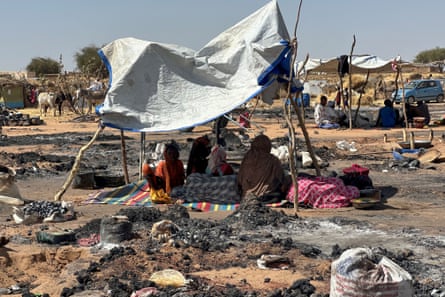
The broader context of Sudan's civil conflict has created a humanitarian catastrophe affecting millions of civilians across the country. The war between the Sudanese Armed Forces and the RSF has displaced over 12 million people, making it one of the world's largest displacement crises. The situation in El Fasher represents a microcosm of the broader conflict's impact on civilian populations, particularly ethnic minorities.
Regional and international stakeholders have struggled to develop effective responses to the escalating violence in Sudan. The African Union, Arab League, and various international partners have called for ceasefires and humanitarian access, but enforcement mechanisms remain limited. The UN mission's findings add urgency to these diplomatic efforts while highlighting the inadequacy of current international responses to prevent mass atrocities.
Humanitarian organizations operating in Sudan have consistently reported severe restrictions on access to affected populations, particularly in areas under RSF control. The siege of El Fasher exemplified these challenges, with aid groups unable to reach trapped civilians for extended periods. The UN mission's documentation process required innovative approaches to evidence gathering, including remote monitoring techniques and secure communication channels with local sources.
The economic and social infrastructure of El Fasher suffered systematic destruction during the RSF occupation, according to the investigators' findings. Essential services including hospitals, schools, and water systems were deliberately targeted, creating conditions that disproportionately affected the survival prospects of the Zaghawa and Fur communities. This destruction of civilian infrastructure represents another element of the documented genocidal conduct.
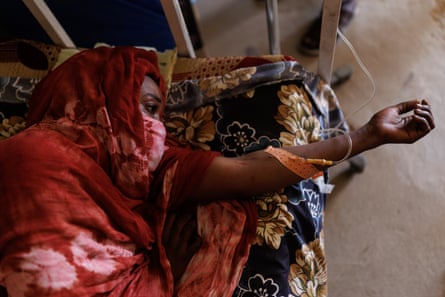
Legal scholars and human rights advocates view the UN mission's findings as potentially precedent-setting for international responses to similar conflicts worldwide. The detailed documentation methodology and comprehensive analysis could serve as a model for future fact-finding missions investigating mass atrocities. The report's emphasis on ethnic targeting and systematic destruction provides clear evidence that could support future accountability mechanisms.
The international community now faces pressure to translate the UN mission's findings into concrete action to prevent further atrocities and ensure accountability for documented crimes. Various options under consideration include expanded sanctions, enhanced humanitarian access mechanisms, and potential judicial proceedings at national or international levels. The challenge lies in implementing effective measures while the conflict continues and access remains severely restricted.
Survivors and human rights organizations have welcomed the UN mission's findings while emphasizing the urgent need for protective measures for remaining civilian populations in Sudan. The documentation of genocidal conduct validates the experiences of affected communities and provides official recognition of their suffering. However, activists stress that recognition must be accompanied by concrete actions to prevent ongoing atrocities and ensure justice for victims.
The strategic implications of the El Fasher siege extend beyond its immediate humanitarian impact, affecting regional stability and international efforts to resolve Sudan's broader crisis. The city's fall represented a significant military victory for the RSF while demonstrating the group's willingness to employ tactics that constitute crimes against humanity and potentially genocide. These findings complicate potential future peace negotiations and transitional justice processes.
Source: The Guardian


