
UN Security Council Convenes on Ukraine Crisis

UN Security Council meets to address escalating Russian attacks on Ukraine and Russia-Belarus nuclear drills. Latest developments and diplomatic response.
The UN Security Council has convened for an emergency session to deliberate on the deteriorating security situation in Ukraine, prompted by a series of devastating Russian military operations and the commencement of joint nuclear weapons exercises between Russia and Belarus. This critical diplomatic engagement underscores the international community's growing alarm over the trajectory of the conflict and the broader implications for European and global security.
The meeting, which was formally requested by six member nations including Denmark, France, Greece, Latvia, Liberia, and the United Kingdom, is designed to provide a comprehensive assessment of the current peace and security landscape surrounding Ukraine. These nations sought to bring the matter before the world's most powerful diplomatic body as tensions continue to escalate on multiple fronts. The convening of the Security Council represents one of the few remaining mechanisms through which international powers can attempt to coordinate responses to the ongoing conflict.
Recent weeks have witnessed a dramatic intensification of Russian military operations against Ukrainian targets, with reports detailing increasingly sophisticated and coordinated attacks across civilian and military infrastructure. These assaults have drawn widespread international condemnation and prompted calls for urgent diplomatic intervention. The timing of the Security Council meeting coincides with Russia and Belarus announcing their nuclear drills, a demonstration of military readiness that has added another layer of complexity to an already volatile geopolitical situation.

The Russia-Belarus nuclear exercises represent a significant escalation in military posturing, signaling Moscow's intent to maintain a show of force amid international pressure. These drills, conducted jointly between the two allied nations, involve simulated nuclear weapons deployment and operational procedures. Military analysts suggest the timing of these exercises is deliberate, designed to underscore Russia's nuclear capability and deter potential international intervention in the Ukrainian conflict.
Adding to the complexity of the current situation, Russian President Vladimir Putin recently completed a state visit to China, a development that has sparked considerable analysis regarding potential deepening ties between Moscow and Beijing. The Putin China visit has raised concerns among Western nations about the possibility of enhanced military and technological cooperation between the two nations. This diplomatic engagement suggests that Russia may be seeking to strengthen international alliances to counter Western sanctions and isolation resulting from its military actions in Ukraine.
The brutal nature of the recent Russian attacks has drawn particular attention from humanitarian organizations and international observers. Civilian casualties have mounted, infrastructure damage has been extensive, and the humanitarian situation for displaced populations continues to deteriorate. These developments have intensified pressure on the international community to respond more forcefully, though consensus among Security Council members remains elusive given Russia's permanent seat and veto power.
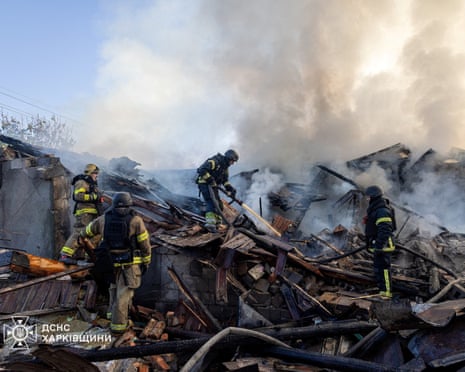
The Ukrainian security situation has become increasingly precarious, with reports indicating that Russian forces have been employing more advanced weaponry and tactics in their operations. The Ukrainian military has mounted a resilient defense, but the resource disparity and continuous bombardment have strained the nation's defensive capabilities. The international provision of military aid to Ukraine has become a critical factor in determining the trajectory of the conflict, with various Western nations debating the scope and nature of their support.
The UN Security Council's involvement, while symbolically important for demonstrating international concern, faces significant practical limitations due to Russia's status as a permanent member with veto authority. This structural constraint means that any resolution calling for substantive action against Russia is unlikely to pass without modification or watering down of its language. Nevertheless, the session provides a platform for member states to articulate their positions and maintain diplomatic pressure on all parties involved.
European nations have been particularly vocal in their response to the escalating violence, with several countries increasing their military support to Ukraine and coordinating economic sanctions against Russia. The European Union has coordinated extensive measures to restrict Russian access to critical technologies and financial resources. NATO members have similarly reinforced their eastern borders and increased military presence in member states bordering Russia and Belarus, signaling their commitment to collective defense.
The broader geopolitical implications of the Russia-Ukraine conflict extend far beyond the immediate battlefield. The situation has exposed deep divisions within the international community regarding how to address state aggression and violations of international law. Non-aligned nations have demonstrated varied responses, with some sympathetic to Russian positions and others concerned about the precedent set by military intervention across recognized borders.
Diplomatic channels remain open, though substantive negotiations have proven difficult to establish and maintain. Ukraine has maintained that any resolution must involve the restoration of its territorial integrity, while Russia has demanded recognition of its territorial gains and protection from further international interference. These positions appear largely incompatible at present, suggesting that military dynamics will continue to drive the trajectory of the conflict in the near term.
The Security Council meeting represents another moment in a series of international diplomatic engagements surrounding the Ukrainian crisis. Previous meetings have similarly highlighted the challenges of achieving consensus among major powers on this contentious issue. The outcome of today's session will likely reflect these longstanding divisions while perhaps providing incremental steps toward maintaining dialogue among key stakeholders.
Looking forward, the international community faces the challenge of balancing its commitment to supporting Ukraine with the practical reality of Russian military strength and its nuclear arsenal. The nuclear dimension of the conflict adds particular urgency to diplomatic efforts, as any miscalculation could have catastrophic consequences. This delicate balance will likely define international policy responses in the coming months and years.
The convergence of the UN Security Council meeting, ongoing Russian military operations, and Russia-Belarus nuclear exercises underscores the complex and multifaceted nature of the current crisis. Each element reinforces the others, creating an environment of heightened tension and uncertainty. As diplomatic processes continue, the stakes for all parties involved remain extraordinarily high, with implications extending far beyond Ukraine's borders to the broader structure of international relations and security in the twenty-first century.
Source: The Guardian


