
Uncovering Ancient Culinary Secrets: Hunter-Gatherer Diets Revealed

Archaeologists analyze prehistoric cooking pot residues to uncover the complex, region-specific diets and recipes of early Eastern European hunter-gatherer-fishers.
Archaeologists are deeply committed to unraveling the intricate culinary practices and diverse diets of ancient populations around the world. An interdisciplinary team of researchers recently analyzed the residues found on prehistoric ceramic cooking pots, shedding new light on the foraging and hunting habits of early Eastern European hunter-gatherer-fishers. Their findings, published in the journal PLoS ONE, reveal that these communities combined a wide range of foraged plants, hunted fish, and other animal proteins to create region-specific recipes.
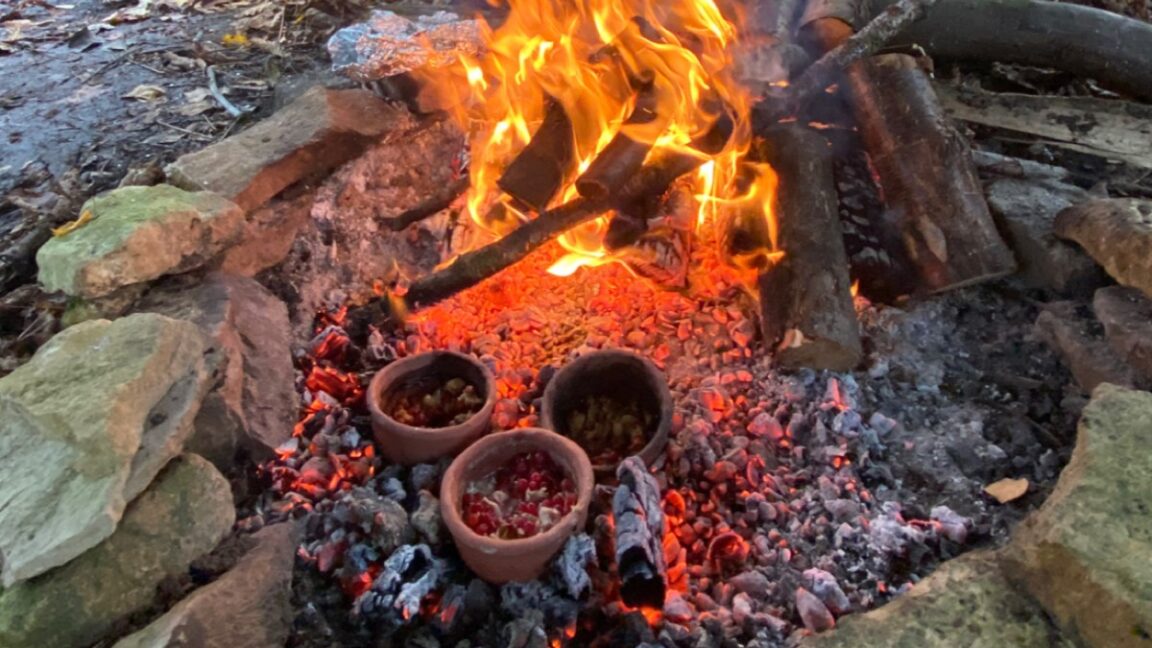
This emerging field of archaeological research has gained significant momentum in recent years. Back in 2020, Ars Technica reported on researchers who spent an entire year analyzing the chemical residues of some 50 ceramic cooking pots. Their goal was to uncover new insights into ancient diets, and the authors even cooked their own maize-based meals in replica pots to test their hypotheses. Their findings revealed that the charred bits at the bottom of the pots provided evidence of the last meal cooked, while the patinas contained remnants of prior meals that had accumulated over time. 
While prior research has typically been limited in scope, the current study takes a more holistic approach, delving deeper into the complex culinary practices of these early hunter-gatherer-fishers. By examining the residues on a wide range of ceramic vessels, the researchers were able to reconstruct the region-specific recipes and diverse dietary habits of these ancient communities, offering a unprecedented glimpse into their daily lives and sustenance strategies.
The findings from this study not only contribute to our understanding of prehistoric diets and foodways, but also have the potential to inspire modern chefs and culinary enthusiasts to recreate the flavors and textures of these long-lost cuisines. As we continue to uncover the rich culinary heritage of our ancestors, we gain a deeper appreciation for the diversity and resilience of human foodways throughout history.
Source: Ars Technica


