Uncovering the Dark Side of TikTok: Israeli Ultranationalist's Account Removed for Hate Speech

TikTok removes account of pro-settlement Israeli influencer after videos show harassment of Palestinians and activists in the occupied West Bank.
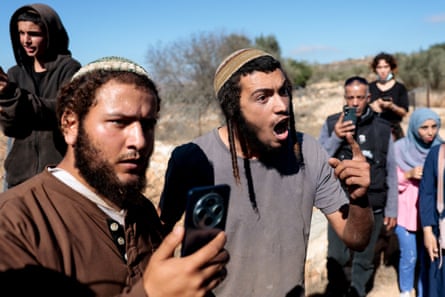
In a move to crack down on hate speech and bullying, TikTok has removed the account of an Israeli ultranationalist influencer who was using the platform to spread harmful content against Palestinians and activists in the occupied West Bank. The Guardian has uncovered dozens of viral videos on TikTok and Instagram that document the harassment and physical attacks perpetrated by this individual and other social media figures.
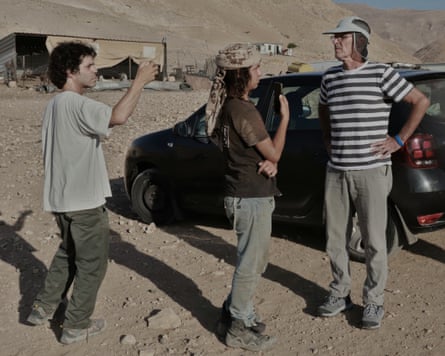
The decision to remove the account comes after the Guardian flagged the videos, which showed the influencer engaging in harassment and bullying of both Palestinians and international activists who were attempting to document the situation in the occupied territories. This action by TikTok highlights the platform's efforts to enforce its policies against hate speech and abusive behavior.
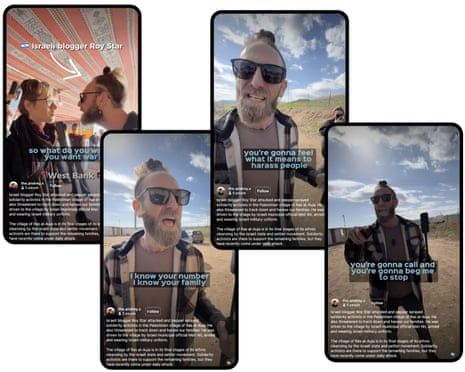
The videos that have gone viral on social media platforms like TikTok and Instagram paint a disturbing picture of the realities faced by Palestinians and those who seek to support them. These incidents demonstrate the ongoing tensions and conflicts that continue to plague the region, with ultranationalist Israelis often at the forefront of the aggression.
TikTok's decision to remove the account of this influencer is a significant step in combating the spread of hate speech and misinformation on social media platforms. However, the underlying issues of the Israeli-Palestinian conflict remain deeply complex and contentious, with both sides often engaging in acts of violence and oppression.
As the world continues to grapple with the challenges posed by social media and the spread of harmful content, it is crucial that platforms like TikTok maintain a steadfast commitment to enforcing their policies and protecting users from hate speech, bullying, and misinformation. The removal of this ultranationalist account is a positive step, but much work remains to be done in addressing the deeper societal and political issues at the heart of the Israeli-Palestinian conflict.