
Undercover Cop Fired for Assaulting Partner, Spycops Inquiry Reveals

Shocking revelations emerge as public inquiry exposes an undercover officer's criminal conviction for assaulting his partner during covert deployment.
The public inquiry into undercover policing has uncovered a startling revelation - an undercover officer named Rob Hastings was convicted and dismissed from the police for assaulting his long-term partner, the mother of his three children.
Hastings infiltrated pro-Palestinian and left-wing protest groups for three years during his covert deployment. However, his misconduct extended far beyond his undercover work, as he was later found guilty of assaulting his ex-partner in 2014, leading to his dismissal from the Metropolitan Police for gross misconduct.
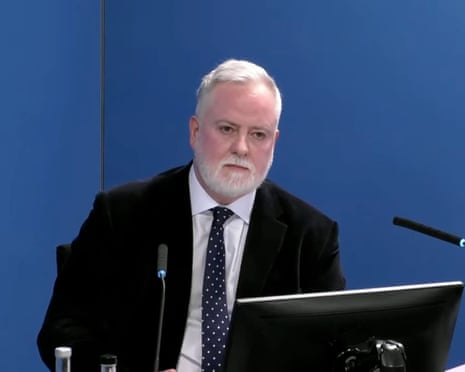
The details of Hastings' criminal conviction were disclosed during questioning about a separate incident, in which he had deceived another woman into an intimate relationship while working undercover. This latest revelation sheds light on the disturbing personal conduct of some undercover officers and the failure of the police to properly monitor their actions.
The Undercover Policing Inquiry was established to investigate the activities of undercover police units, which have been accused of engaging in unethical and illegal practices, including sexual relationships with targets, the use of deceased children's identities, and the infiltration of activist groups.
The inquiry, led by Sir John Mitting, is tasked with examining the extent of these controversial tactics and the impact they had on individuals and communities. The revelation about Hastings' criminal conviction for domestic abuse further underscores the need for comprehensive reforms and greater accountability within the police force.
As the inquiry continues, more disturbing details about the conduct of undercover officers are likely to emerge, highlighting the urgent need to address the systemic issues within the UK's policing system and ensure that such abuses of power never happen again.
Source: The Guardian


