
Unearthing Gaul's Seated Burials: Archaeologists Uncover Intriguing Ancient Skeleton in France

Archaeologists in Dijon, France have discovered another ancient skeleton buried in a seated position, the latest in a series of such findings that have piqued scientific interest.
The latest archaeological discovery in Dijon, France has left researchers captivated by the mysteries of ancient Gaulish burial practices. Children at a local primary school stumbled upon a remarkable sight - a skeleton sitting upright, peeking out from the top of a circular pit next to their playground.
This is just the latest in a series of seated burials found in the region, which have left archaeologists puzzled as to why some Gauls chose to inter their dead in this unusual manner. The seated position, with the bodies facing west, sets these interments apart from the more common extended burials of the era.
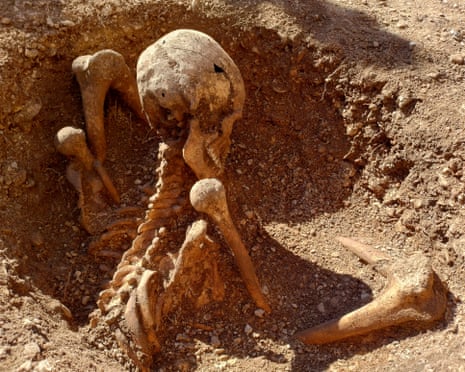
Scientists are now working to unravel the reasons behind this distinctive burial practice. Some theories suggest it may have held spiritual or symbolic significance for the Gaulish people, potentially reflecting beliefs about the afterlife or the individual's status in society. Others propose more pragmatic explanations, such as limited burial space or specific ritual customs.
The latest discovery adds to the growing body of evidence surrounding these enigmatic seated burials, providing fresh opportunities for researchers to delve deeper into the cultural and religious practices of the ancient Gauls. As the investigation continues, these remarkable findings promise to shed new light on the diverse funeral traditions that existed across the Gaulish territories centuries ago.
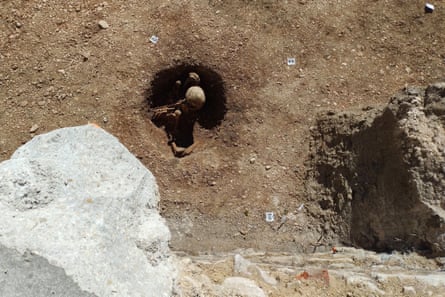
Uncovering the stories behind these unique interments is a testament to the power of archaeology to uncover the hidden histories of the past. By studying the positioning, grave goods, and other details of these seated burials, scientists hope to gain a more nuanced understanding of Gaulish society and the beliefs that shaped their funerary rituals.
As the excavation and analysis of the latest Dijon skeleton progresses, the archaeological community eagerly awaits the insights that may emerge, shedding new light on this intriguing aspect of ancient Gaulish culture.


