
UniCredit Launches Hostile Bid for Commerzbank Amid European Banking Shakeup

UniCredit, Italy's top bank, aims to increase its stake in Germany's Commerzbank to trigger formal merger talks despite Berlin's opposition.
UniCredit, Italy's largest bank, has escalated its long-running pursuit of German lender Commerzbank, setting the stage for a high-stakes takeover battle in the European banking sector. The Milan-based bank plans to increase its near-30% stake in Commerzbank to trigger formal merger talks, despite strong opposition from the German government.
The potential €35 billion ($37 billion) deal would create a banking powerhouse with a combined balance sheet of over €1.6 trillion, making it one of the largest financial institutions in Europe. However, the move has been met with resistance from Berlin, which is keen to maintain Commerzbank as a domestic champion in the German banking industry.
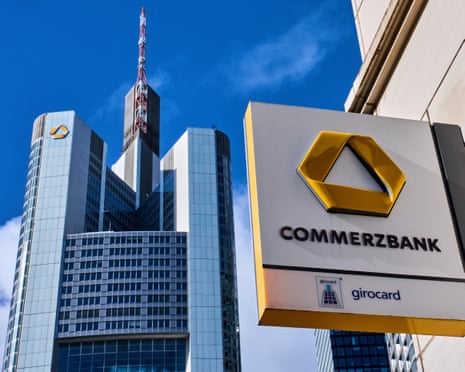
UniCredit's announcement of its plans to raise its stake in Commerzbank has escalated the long-simmering tensions between the two banks. UniCredit first acquired a 9% stake in Commerzbank in September 2024 and has since built up its holding to just under 30%. The Italian bank now aims to increase its stake further, which would force Commerzbank to enter into formal merger talks.
The potential merger would create a banking behemoth with a presence across Germany, Italy, and other key European markets. UniCredit's chief executive, Andrea Orcel, has been vocal about his ambitions to expand the bank's footprint and capitalize on the ongoing consolidation in the European banking sector.
However, the German government has made it clear that it is not in favor of the deal. Berlin has been protective of Commerzbank, which it views as a crucial component of the country's financial infrastructure. The government owns a 15.6% stake in Commerzbank and is likely to use its influence to block any unwanted takeover attempts.
The battle for Commerzbank is the latest chapter in the ongoing consolidation of the European banking industry. Banks across the continent are grappling with low interest rates, increasing regulatory burdens, and the need to invest in digital technologies. Mergers and acquisitions have become a popular strategy for banks seeking to achieve greater scale, diversification, and cost efficiencies.
The outcome of the UniCredit-Commerzbank saga will have significant implications for the future of the European banking landscape. If the deal goes through, it could spark a wave of further consolidation, as other banks seek to keep pace with the newly formed banking giant. However, if the German government succeeds in blocking the takeover, it could embolden other national governments to take a more protectionist stance towards their domestic banking sectors.
Regardless of the outcome, the UniCredit-Commerzbank battle underscores the ongoing transformation of the European banking industry, as institutions grapple with the challenges of the digital age and the changing regulatory environment.
Source: The Guardian


