
Unions Push to Reinstate Higher Windfall Tax on Banks

The TUC demands increased windfall tax on UK banks after record £14bn profits. Calls for rate hike from 3% to 8% amid market turbulence.
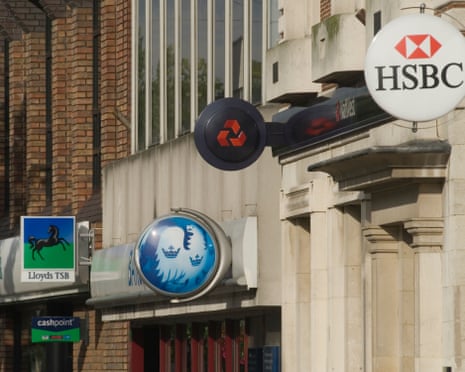
Trade union leaders are intensifying pressure on the government to reinstate a more aggressive windfall tax on banks, following the announcement of extraordinary profits by the United Kingdom's largest financial institutions. The Big Four UK lenders—Barclays, HSBC, Lloyds, and NatWest—collectively reported nearly £14 billion in profits during the first quarter of the year, a figure that has reignited debates about excessive banking sector compensation and shareholder returns during times of economic uncertainty.
The Trades Union Congress (TUC) has formally renewed its campaign to increase the current bank surcharge structure, which was substantially reduced during the previous Conservative administration in 2023. At that time, the rate was lowered from 8% to just 3% on profits exceeding £100 million, a decision that union representatives now argue has become untenable given the financial sector's recent performance. The TUC contends that this timing is particularly significant, as banks continue to benefit substantially from the elevated interest rate environment that has characterized the current economic landscape.
Market analysts have noted that bank profitability has been bolstered by several interconnected factors beyond merely higher interest rates. The financial turbulence stemming from geopolitical tensions, including escalating conflicts in the Middle East and broader international uncertainties, has created volatile trading conditions. These unstable markets have historically generated substantial trading revenues and hedging profits for large financial institutions, effectively serving as a significant profit multiplier for the banking sector during periods of global uncertainty.
The windfall tax debate touches upon fundamental questions about the distribution of economic gains and the role of taxation in addressing public sector challenges. Proponents of reinstating the higher windfall tax rate argue that the banking industry, having benefited disproportionately from government-supported monetary policies and favorable market conditions, should contribute more substantially to public finances. They emphasize that such taxation would not necessarily harm the banking sector's viability or competitiveness, given the robust profit margins currently being reported by these institutions.
The current economic context adds particular urgency to the TUC's campaign. Across the United Kingdom, public services are facing significant budget constraints and unprecedented pressures. The National Health Service, education systems, and local government services have all experienced years of funding limitations, making union leaders particularly vocal about ensuring that profitable corporations contribute appropriately to the public purse. The argument being advanced is that during periods when banks are reporting record-breaking profits, taxation policy should reflect the economy's overall conditions and societal needs.
Financial analysts have pointed out that the reduction of the bank surcharge to 3% in 2023 was justified at the time on competitive grounds, with arguments that higher taxation might encourage banks to relocate operations or reduce their presence in the UK market. However, the continued strength and profitability of these institutions, even at the lower tax rate, suggests that such concerns may have been overstated. The Big Four banks have maintained their dominant market positions and continued to generate substantial returns for shareholders while operating under the reduced tax burden.

The banking sector has historically resisted calls for increased taxation, arguing that such measures reduce capital available for lending and investment. Industry representatives maintain that bank profitability is essential for maintaining robust lending capacity, particularly for small and medium-sized enterprises and mortgage lending markets. They contend that the current tax environment represents a necessary balance between funding public services and maintaining a healthy, competitive financial sector capable of supporting broader economic growth.
However, union leaders and progressive economists counter that this argument fundamentally misunderstands the relationship between profitability and lending behavior. They note that banks' lending decisions are primarily driven by demand, creditworthiness assessment, and risk management rather than the marginal tax rates they face. In environments where interest rates are high and credit demand is limited due to economic uncertainty, even well-capitalized banks may be reluctant to expand lending significantly, regardless of their tax burdens.
The political dimensions of this debate also merit consideration. Different political parties have taken varying positions on bank taxation policy historically. The previous Conservative government's decision to reduce the windfall tax rate reflected a broader philosophical approach favoring lower corporate taxation. However, with changing political circumstances and evolving public sentiment regarding corporate accountability, there is potential for renewed momentum behind progressive taxation arguments.
International comparisons provide additional context for this discussion. Various other developed economies maintain different approaches to banking sector taxation, ranging from specific financial sector taxes to general corporate taxation structures. Some countries have implemented more aggressive windfall taxes during periods of exceptional banking profits, while others maintain flatter tax structures across all corporate sectors. These varied approaches suggest that multiple frameworks are compatible with maintaining functional financial markets and economic growth.
The TUC's specific proposal to increase the rate from 3% back to 8% would represent a significant policy shift, potentially generating substantial additional government revenue. Preliminary calculations by policy analysts suggest that such an increase could generate hundreds of millions of pounds in additional annual taxation revenue from the Big Four banks alone, resources that could be directed toward public services, infrastructure investment, or deficit reduction depending on government priorities.
Looking forward, the debate over bank taxation policy will likely remain prominent in political and economic discussions, particularly if banking sector profitability continues at elevated levels. The intersection of corporate taxation, public sector funding requirements, and financial sector competitiveness creates complex policy questions that resist simple solutions. What remains clear is that the TUC and broader union movement view the current moment as a significant opportunity to reframe the taxation debate and advance their preferred policy outcomes regarding the contribution of profitable institutions to the public purse.
The outcome of this ongoing debate will likely depend on evolving political circumstances, continued performance of the banking sector, and broader public opinion regarding corporate taxation and financial regulation. As economic conditions continue to evolve and public service pressures intensify, the arguments surrounding bank taxation policy will remain central to broader discussions about economic fairness, public investment, and financial system stability.
Source: The Guardian

