
Universities Launch Antisemitism Centers Amid Debate

US colleges establish new antisemitism research centers, but Jewish scholars question whether they prioritize ideology over academic rigor and expertise.
American universities are experiencing a significant shift in how they approach antisemitism on campus, with numerous institutions establishing dedicated academic centers focused on combating prejudice against Jewish communities. This emerging trend reflects broader concerns about the campus climate for Jewish students and faculty members, particularly following geopolitical tensions in the Middle East. However, this expansion has sparked considerable debate within scholarly circles about whether these initiatives genuinely advance academic understanding or simply serve as vehicles for particular political agendas.
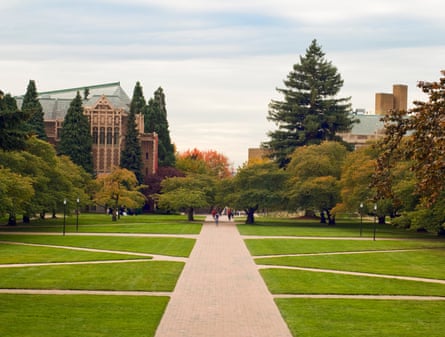
At the University of Washington, a coalition of concerned faculty members recognized what they perceived as an increasingly hostile environment for Jewish students and decided to take action by establishing a new academic center dedicated to addressing antisemitism. The group articulated their concerns in formal statements, noting that Jewish members of the campus community had experienced isolation and witnessed what they characterized as normalized anti-Israel rhetoric in the aftermath of October 7, 2023. These faculty members envisioned creating an institutional space that would champion intellectual inquiry and facilitate substantive dialogue across different perspectives.
The University of Washington initiative specifically emphasized their commitment to "open inquiry, intellectual rigor, and fearless debate" as foundational principles for their work. Faculty members documented their observations about the experiences of Jewish students, staff, and professors who felt marginalized or subjected to hostile treatment on campus. They believed that an academic center devoted to understanding and combating antisemitism could serve as both a resource for affected community members and an educational platform for the broader student body.

The emergence of these antisemitism research centers across multiple American universities represents a response to what many administrators and faculty perceive as a growing problem on college campuses. Universities including prominent research institutions have invested resources into establishing dedicated programs, hiring specialized faculty, and creating infrastructure to support research and education focused on understanding antisemitism in its various manifestations. These initiatives typically combine historical research, contemporary analysis, and community engagement efforts to address both overt and subtle forms of discrimination.
However, the rapid proliferation of these centers has raised concerns among certain Jewish scholars and academics who question the underlying motivations and potential consequences of this institutional expansion. Critics worry that some antisemitism centers may be designed primarily to advance particular geopolitical positions rather than to conduct impartial scholarly research. They express concerns that ideological commitments might compromise the academic independence that universities are supposed to safeguard and that such centers could inadvertently limit space for legitimate academic discourse about complex historical and contemporary issues.
These skeptical scholars argue that substituting genuine expertise with ideology represents a fundamental betrayal of academic principles and mission. They contend that when universities establish research centers primarily motivated by political considerations rather than scholarly interest, the resulting work lacks the credibility and objectivity necessary for genuine contribution to human knowledge. Additionally, there are concerns that excessive focus on antisemitism, while important, might overshadow other pressing academic priorities or create institutional imbalances in how different forms of discrimination and prejudice are addressed.
The tension between these competing perspectives reflects broader challenges that American universities face in the current political environment. Institutions struggle to balance their commitment to supporting vulnerable student populations while maintaining academic freedom and intellectual independence. The challenge becomes particularly acute when external political pressures mount and when different stakeholders hold fundamentally different understandings of what constitutes appropriate institutional responses to community concerns.
Jewish scholars who express reservations about this trend often emphasize that combating antisemitism in higher education remains genuinely important and necessary work. Their concerns focus specifically on the manner in which institutions are organizing this work and the potential for such centers to become vehicles for particular political narratives rather than forums for genuine scholarly inquiry. They advocate for approaches that maintain rigorous academic standards while still taking antisemitism and the experiences of Jewish community members seriously.
The political dimensions of these initiatives cannot be separated from understanding how and why they have proliferated so rapidly. Many of the universities establishing these centers are responding to pressure from alumni, donors, and community members who believe that institutions have been insufficiently attentive to concerns about antisemitism and anti-Israel sentiment on campus. These stakeholders argue that universities have a responsibility to create welcoming environments for all students and that such centers represent appropriate institutional responses to documented community concerns.

The University of Washington's approach exemplifies how institutions are attempting to navigate these contentious waters. By explicitly emphasizing principles of open inquiry and intellectual rigor, the faculty organizers sought to position their initiative as genuinely committed to academic excellence rather than ideological promotion. They recognized that credibility depends on demonstrating a commitment to substantive engagement with different perspectives and a willingness to follow evidence and argument wherever they may lead.
Looking forward, the success and sustainability of these campus antisemitism initiatives will likely depend on how well they manage the inherent tensions between their advocacy and educational functions. Centers that can genuinely maintain scholarly integrity while addressing real concerns about campus climate may contribute meaningfully to institutional health and community well-being. Conversely, centers that become primarily vehicles for particular political positions risk damaging their own credibility and potentially exacerbating rather than ameliorating campus divisions.
The broader conversation about how universities should address antisemitism, anti-Israel sentiment, and related concerns remains complex and contested. What seems clear is that simply establishing new institutional structures will not automatically resolve underlying disagreements about how institutions should respond to these challenges. Meaningful progress requires sustained engagement with difficult questions about the proper role of universities in addressing political conflicts, the relationship between advocating for particular communities and maintaining intellectual independence, and how institutions can create truly inclusive environments that respect both academic freedom and community belonging.

As this trend continues to develop, it will be important for universities to remain attentive to the concerns raised by critics while also taking seriously the documented experiences of Jewish students and faculty members who feel marginalized or unsafe on campus. The challenge ahead involves finding approaches that honor both the need for rigorous scholarship and the legitimate desire to create communities where all members feel respected and valued.
Source: The Guardian


