
Unlocking Canada's Arctic Potential: A Comprehensive Strategy

Ottawa's ambitious plan to modernize and develop Canada's long-neglected Arctic region, addressing infrastructure, resources, and security challenges.
Canada's vast Arctic territory, spanning an area six times the size of Texas, has long been a neglected and underutilized region within the country. However, with growing concerns over the region's vulnerability to external threats and the untapped potential of its natural resources, the Canadian government is now determined to prioritize the development and modernization of this strategic northern frontier.
Revitalizing Arctic Infrastructure
One of the key challenges facing the Canadian Arctic is its lack of basic infrastructure, including roads, ports, and power sources. Ottawa has recognized the urgent need to address this issue, pledging to invest heavily in building the necessary transportation and energy networks to connect the remote communities and facilitate the exploration and extraction of the region's abundant natural resources, such as minerals and energy.
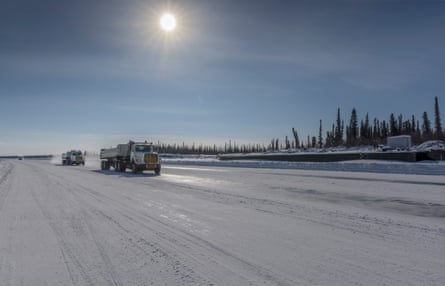
The government's vision is to transform the Canadian Arctic, just like in the 1800s, when the country experienced a period of rapid development and settlement in the West. By modernizing the infrastructure, the government aims to not only improve the quality of life for the region's inhabitants but also strengthen Canada's presence and strategic positioning in the increasingly contested Arctic.
Addressing Security Concerns
As the Arctic becomes more accessible due to climate change and the melting of sea ice, the region has also become a focal point for geopolitical tensions. Canada is acutely aware of the need to bolster its security presence and capabilities in the north, particularly in the face of growing Russian and Chinese influence in the region.
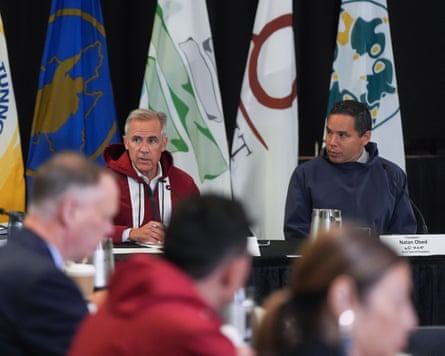
To address these security challenges, the government is investing in the modernization of its Arctic military assets, including the expansion of its network of radar stations and the deployment of more icebreakers and other specialized military equipment. The goal is to enhance Canada's ability to monitor and respond to potential threats, while also asserting its sovereignty over the region.
Balancing Development and Sustainability
As Canada embarks on this ambitious Arctic development plan, it will need to carefully navigate the delicate balance between economic growth and environmental protection. The region's fragile ecosystem and the traditional way of life of its Indigenous communities must be taken into consideration, ensuring that any development projects are carried out in a sustainable and collaborative manner.
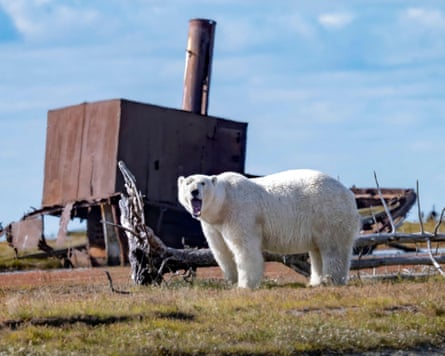
To this end, the government has pledged to work closely with local stakeholders, including Indigenous groups, to incorporate their perspectives and traditional knowledge into the decision-making process. By doing so, Canada aims to strike a balance between unlocking the Arctic's economic potential and preserving its unique cultural and environmental heritage.
Overall, Canada's renewed focus on the Arctic represents a strategic shift in the country's national priorities. By addressing the region's long-standing infrastructure, security, and sustainability challenges, the government hopes to transform the Canadian Arctic into a thriving, well-connected, and secure region that can contribute significantly to the country's economic and geopolitical interests.


