
Unlocking the Untapped Riches of the Deep Ocean: The Future of Seabed Mining

Explore the cutting-edge world of deep-sea mining as companies race to extract valuable minerals from the ocean floor, a new frontier with both promise and peril.
Far below the waves, a new frontier of resource extraction is emerging, as companies and nations set their sights on the untapped wealth of the deep ocean floor. More than 13,000 feet beneath the surface of the Pacific, a massive, 70-ton machine recently trundled across the seabed, sucking up potato-sized nodules packed with valuable minerals like copper, manganese, cobalt, and nickel. This pioneering pilot run by the Canadian company, The Metals Company, was hailed as a success, paving the way for a new era of commercial seabed mining.
The Metals Company is just one of 31 initiatives underway by companies, governments, and state-owned enterprises to explore and test the viability of collecting these mineral-rich nodules. From China and India to the tiny island nation of Nauru in the southwestern Pacific, the race is on to unlock the riches of the deep ocean. These round deposits, formed over millennia by the accumulation of metals, have long been out of reach, but now, with advancing technology, they are within grasp.
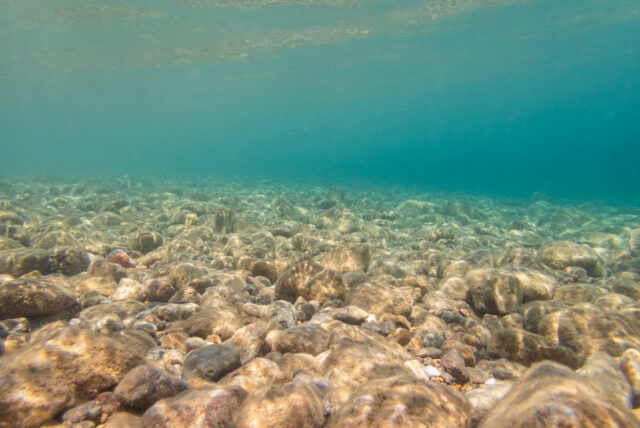
The potential rewards are substantial. The Metals Company alone is working to secure approval to deploy its harvesting machines over an area of 65,000 square kilometers, with the aim of extracting over 600 million metric tons of nodules. These valuable minerals are essential for a wide range of industries, from electronics and renewable energy to aerospace and defense. As the global demand for these critical resources continues to grow, the deep ocean has emerged as a new frontier in the quest to meet these needs.
However, the pursuit of seabed mining is not without its challenges and controversies. Environmentalists warn of the potential damage to delicate deep-sea ecosystems, which are still poorly understood. The long-term impacts of large-scale mining operations on the ocean floor remain uncertain, and there are concerns about the disruption of habitats and the potential release of harmful substances into the water.
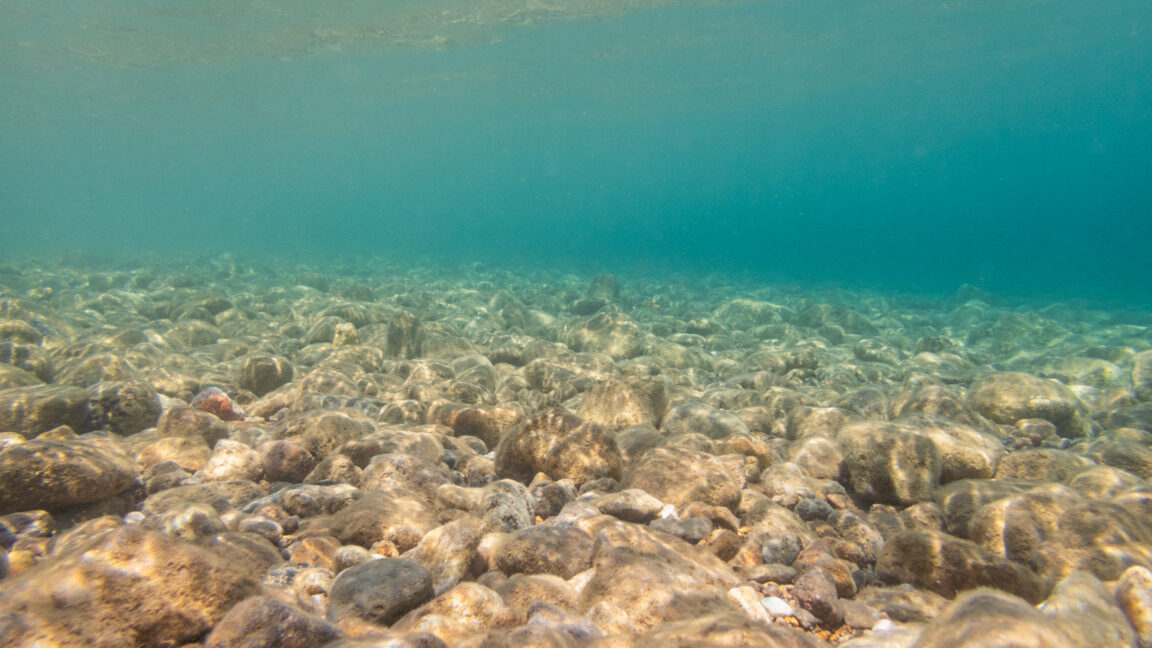
Despite these concerns, the drive to unlock the deep ocean's riches continues. Governments and companies argue that seabed mining could provide a more sustainable and environmentally friendly alternative to terrestrial mining, with the potential to reduce the carbon footprint of resource extraction. Additionally, the harvested minerals could play a critical role in the transition to a green economy, powering the technologies needed to combat climate change.
As the race to mine the deep ocean intensifies, the world watches closely, weighing the potential benefits against the environmental risks. The future of seabed mining hangs in the balance, with the outcome set to shape the way we power our world and the impact we have on the last unexplored frontier on Earth.
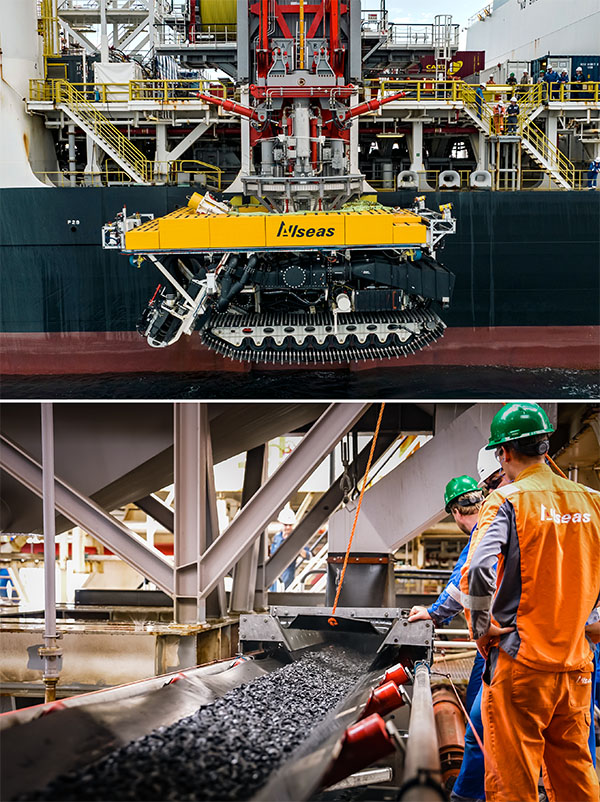
The pursuit of seabed mining is a complex and high-stakes endeavor, with both promise and peril. As companies and nations continue to push the boundaries of what's possible, the world must grapple with the ethical, environmental, and economic implications of this new frontier of resource extraction. The future of the deep ocean hangs in the balance, and the decisions made today will reverberate for generations to come.
Source: Ars Technica


