
Upgrade Your Gaming Setup: Intel's Boosted Core Ultra 200S Plus CPUs

Intel's latest desktop chip lineup offers improved performance and power efficiency. Explore the key upgrades to the Core Ultra 200S Plus processors and how they stack up against AMD's Ryzen offerings.
Intel's Core Ultra 200S desktop chips, codenamed "Arrow Lake," first launched in late 2024, and they were the most significant updates to Intel's desktop CPU lineup in years. However, while these power-efficient and cooler-running chips sometimes struggled to match the gaming performance of older 13th- and 14th-generation Core CPUs, they've had to live in the shadow of AMD's Ryzen 7000 and 9000-series X3D processors, which offer exceptional gaming performance thanks to their additional L3 cache.
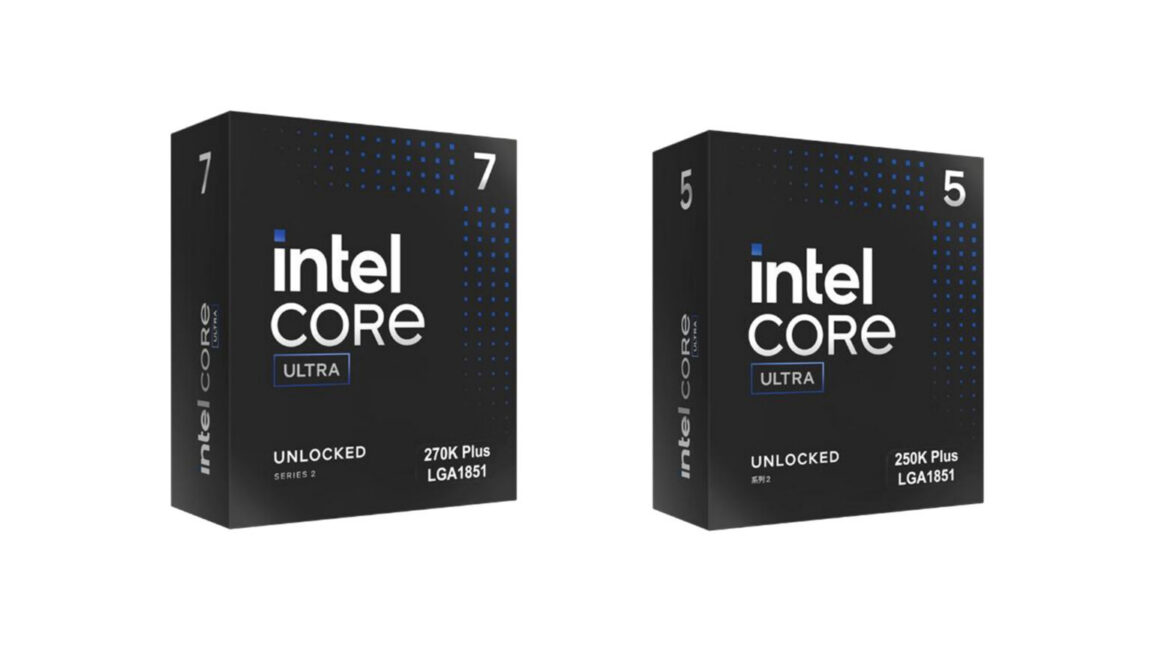
To shore up its desktop lineup, Intel is now introducing a pair of upgraded Core Ultra 200S Plus processors (also referred to as Arrow Lake Refresh). These new chips boast more processor cores, higher clock speeds, support for faster memory, and improved internal communication, promising a noticeable performance boost for gaming enthusiasts and content creators alike.
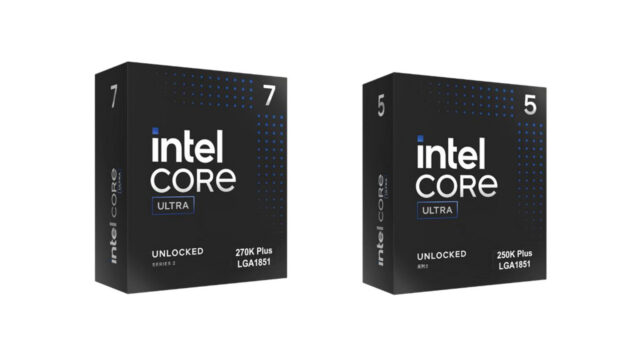
The Core Ultra 200S Plus processors build upon the foundation of the original Arrow Lake chips, but with several key enhancements. First and foremost, the core count has been increased, with the top-end model now featuring 16 cores and 32 threads, up from the 14 cores and 28 threads of the previous generation.
In addition to the core count bump, Intel has also managed to eke out higher clock speeds, with the flagship Core Ultra 200S Plus chip reaching a maximum turbo frequency of 6.2GHz, a notable improvement over the 6GHz ceiling of the original Arrow Lake CPUs.
The memory subsystem has also received an upgrade, with the new chips supporting DDR5-5600 memory, up from the DDR5-5200 of the previous generation. This boost in memory bandwidth can provide a tangible performance uplift, particularly in memory-sensitive workloads like content creation and gaming.
Alongside the core, clock, and memory improvements, Intel has also focused on enhancing the internal communication within the Core Ultra 200S Plus chips. The company has optimized the cache and interconnect architectures, promising faster data transfer speeds and reduced latency, which can translate to snappier application responsiveness and smoother gaming experiences.

While the Core Ultra 200S Plus processors represent a noteworthy upgrade over the original Arrow Lake chips, they still face stiff competition from AMD's latest Ryzen 7000 and 9000-series X3D processors. These AMD offerings, with their generous L3 cache and advanced chiplet design, continue to excel in gaming workloads, often outperforming Intel's best desktop chips.
However, the Core Ultra 200S Plus lineup does offer some advantages, particularly in terms of power efficiency and thermal management. Intel's chips tend to run cooler and more efficiently than their AMD counterparts, making them an attractive option for users building compact, high-performance gaming rigs or content creation workstations where power consumption and heat output are primary concerns.
Ultimately, the decision between Intel's Core Ultra 200S Plus and AMD's Ryzen 7000 or 9000-series X3D processors will come down to a user's specific needs and priorities. Gamers seeking the absolute best performance may still gravitate towards AMD, but Intel's latest desktop offerings provide a compelling alternative, especially for those focused on power efficiency and thermal management.
Source: Ars Technica


