
Upgrading the Critical Brent Spence Bridge: Solving the Midwest's Bottleneck

The long-awaited renovation of the Brent Spence Bridge connecting Kentucky and Ohio aims to improve traffic flow, but concerns remain over costs, pollution, and housing impacts.
The Brent Spence Bridge, a vital link between Kentucky and Ohio, has long been a notorious bottleneck for Midwest transportation. Connecting manufacturers in the industrial north to booming southern cities in Georgia and beyond, this aging structure has struggled to accommodate the ever-increasing traffic flow along the Interstate-75 corridor.
Built and designed in the early 1960s to handle a maximum of 85,000 vehicles per day, the bridge now sees nearly double that amount, with cars and trucks traversing its narrow lanes and curved approaches. The lack of emergency access lanes has only exacerbated the problem, leading to frequent accidents and drivers finding themselves stuck for hours.
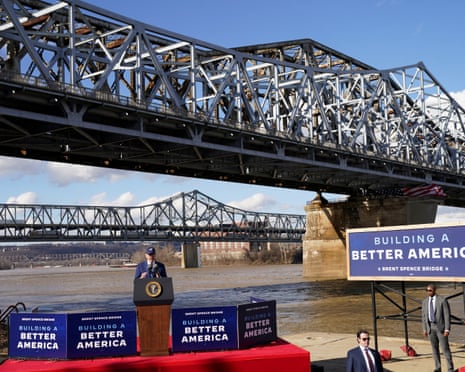
Finally, after years of neglect, the much-needed upgrade to the Brent Spence Bridge is underway. However, this long-awaited project is not without its concerns, as the plans are clouded by issues of cost overruns, environmental impact, and potential disruptions to the surrounding communities.
The proposed $2.5 billion renovation aims to widen the bridge, add emergency access lanes, and improve the overall safety and efficiency of this critical transportation link. Supporters of the project argue that the upgrades will alleviate the chronic congestion, reduce travel times, and enhance the flow of goods and services across the Midwest.
But not everyone is convinced that the benefits outweigh the costs. Critics have raised concerns about the project's potential to exacerbate air pollution and disrupt local housing communities near the bridge. There are also worries about the possibility of cost overruns, which could burden taxpayers and divert funds from other pressing infrastructure needs.
As the project progresses, it will be crucial for policymakers and stakeholders to carefully weigh the tradeoffs and ensure that the Brent Spence Bridge upgrade strikes the right balance between improving transportation efficiency and mitigating the potential negative impacts on the surrounding environment and communities.
The success of this endeavor will not only have profound implications for the Midwest region but could also serve as a model for how to approach complex infrastructure challenges elsewhere in the United States. As the nation continues to grapple with aging bridges, highways, and other critical transportation networks, the Brent Spence Bridge project will be closely watched as a test case for balancing progress with societal and environmental concerns.
Source: The Guardian


