
Urgent Delegation Heads to Pakistan for Potential Iran War Talks

Trump's representatives return to Pakistan amid rising tensions, as Iran shuts Strait of Hormuz over US naval blockade. Will Iran join talks to end the US-Israeli war?
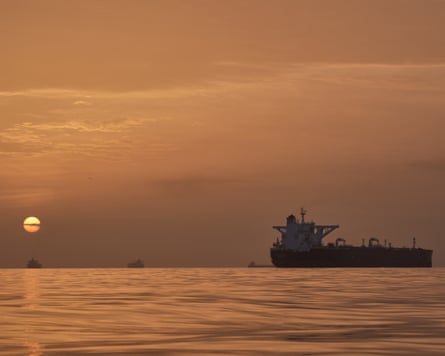
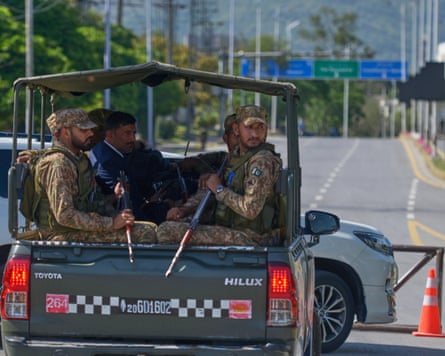
As tensions continue to escalate in the Middle East, Donald Trump's administration is sending a high-level delegation back to Pakistan on Monday for another round of talks aimed at ending the escalating US-Israeli war with Iran. The delegation, led by Vice President JD Vance, Trump's special envoy Steve Witkoff, and son-in-law Jared Kushner, comes after Iran reimposed tight restrictions on the transit of commercial shipping through the vital Strait of Hormuz, reversing an earlier agreement to reopen the strategic waterway. This move by Iran was in response to the US's refusal to lift its naval blockade in the region.
The renewed diplomatic efforts follow a series of tense confrontations between the US and Iran, as the Trump administration continues to threaten Iran's infrastructure unless the country agrees to a new deal. The US president has repeatedly vowed to destroy Iranian targets if Iran does not capitulate to American demands. 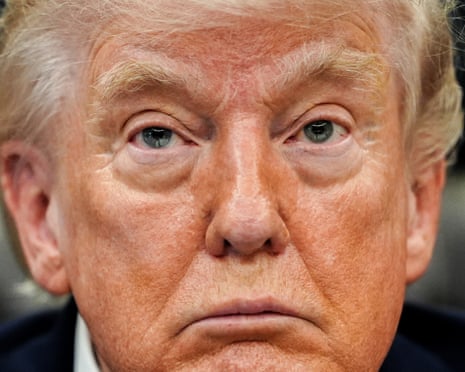
It remains unclear whether Iran will even participate in the new round of talks in Pakistan, as the country has grown increasingly distrustful of the Trump administration's intentions. Iran has accused the US of acting in bad faith and has demanded the lifting of crippling economic sanctions as a prerequisite for any negotiations.
The situation in the Persian Gulf has become increasingly volatile, with the potential for a direct military confrontation between the US and Iran remaining high. The stakes are enormous, as a war between the two countries could have devastating consequences not only for the region but for the entire global economy.
In the meantime, the US delegation's visit to Pakistan represents a renewed diplomatic push to find a peaceful resolution to the crisis. However, with both sides entrenched in their positions and unwilling to back down, the path to a negotiated settlement remains uncertain.
As the world watches anxiously, the outcome of these talks could have far-reaching implications for the future of the Middle East and the global balance of power. The stakes have never been higher as the US and Iran continue to jostle for position in a high-stakes game of geopolitical chess.
Despite the challenges, both sides will need to demonstrate a willingness to compromise and engage in good-faith negotiations if any progress is to be made. The consequences of failure could be catastrophic, making the success of these talks all the more critical.
Source: The Guardian


