
US Demands Palestinians Drop UN Vice-Presidency Bid

State Department pressures Palestinian Authority to withdraw UN General Assembly vice-presidency candidacy, warning of diplomatic consequences.
The United States has escalated diplomatic pressure on Palestinian leadership through official channels, demanding they abandon their pursuit of a UN General Assembly vice-presidency position. According to classified communications reviewed by international media outlets, the pressure campaign represents a significant diplomatic intervention aimed at preventing Palestinian representation in high-level United Nations governance structures.
A formal State Department cable dated May 19 provided explicit instructions to the American embassy in Jerusalem, ordering diplomats to deliver an official démarche—a formal diplomatic protest—to Palestinian Authority leaders. The communication carried a clear ultimatum: Palestinian officials must publicly withdraw their candidacy for the UN vice-presidency position before May 22, or face unspecified but serious diplomatic repercussions.
The démarche specifically warned that "consequences will follow" if the Palestinian Authority failed to comply with the American demand within the specified timeframe. This stark language underscores the gravity with which the United States views the situation and suggests that Washington is prepared to leverage its diplomatic leverage and international influence to block Palestinian advancement in global governance structures.
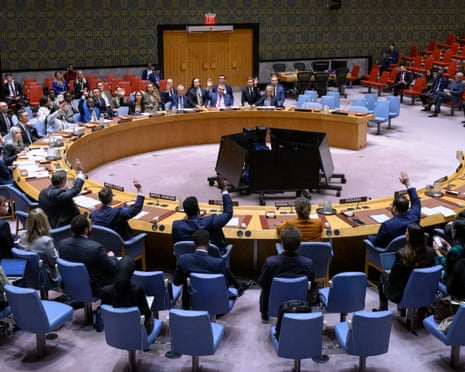
The core concern driving this American intervention centers on the potential implications of a Palestinian vice-presidency at the United Nations. Should the Palestinian Authority secure this position, they would gain the authority to preside over and chair debates related to international issues, particularly those concerning Middle Eastern affairs and the Israeli-Palestinian conflict. This elevated platform would provide Palestinian representatives with unprecedented opportunity to shape global discourse on contentious geopolitical matters.
The timing of this diplomatic intervention is particularly significant given ongoing tensions in the region and the sensitive nature of Palestinian representation in international forums. The brief three-day window provided to the Palestinian Authority—from May 19 to May 22—reflects the urgency with which the US administration views this matter. Such compressed timelines in diplomatic communications typically indicate that an issue is considered politically critical or time-sensitive.
From Washington's perspective, allowing Palestinians to hold the UN vice-presidency could reshape the narrative surrounding Middle Eastern conflicts within the world's primary international deliberative body. The ability to chair debates on major geopolitical issues would grant Palestinian representatives significant agenda-setting power and visibility on the global stage, potentially amplifying their voice in international affairs beyond current levels.
The formal protest mechanism used by the State Department—the démarche—represents one of the most serious diplomatic tools available short of formal sanctions or public condemnation. This particular communication channel is typically reserved for urgent matters requiring immediate attention and conveying heightened displeasure or concern. The decision to employ this formal mechanism rather than quieter back-channel negotiations suggests the depth of American opposition to the Palestinian bid.
Historical precedent indicates that such explicit warnings from the United States, coupled with threats of undefined consequences, carry significant weight in international negotiations. The Palestinian Authority, facing economic challenges and diplomatic isolation in various forums, must carefully weigh the costs of proceeding against American objections. The threatened consequences could potentially encompass reduced foreign aid, diminished diplomatic recognition, or opposition to Palestinian initiatives across multiple international venues.
The revelation of this classified communication raises broader questions about American influence in international governance and the mechanisms through which Washington seeks to shape outcomes at the United Nations. Critics of such intervention argue that it represents an attempt to limit the voice of marginalized populations in global forums, while supporters contend that defending allied interests is a legitimate aspect of diplomatic statecraft.
The UN General Assembly vice-presidency positions are typically distributed among regional groups to ensure geographical representation and diversity in leadership roles. The fact that Palestinian leadership pursued this position indicates their growing aspirations for greater integration into international governance structures and recognition as a legitimate player in global diplomacy.
For the Palestinian Authority, this situation encapsulates the broader challenge of advancing national interests while navigating pressure from more powerful nations that maintain significant leverage over Palestinian political and economic survival. The organization must weigh short-term diplomatic considerations against longer-term aspirations for enhanced international standing and influence within multilateral institutions.
The incident also illuminates the complex dynamics of Middle Eastern diplomacy in contemporary international relations. As traditional power structures evolve and emerging powers challenge Western-dominated international institutions, questions about representation, voice, and influence in global governance become increasingly contested. The Palestinian situation represents one manifestation of these broader tensions within the international system.
Whether the Palestinian Authority ultimately complies with the American demand remains to be seen, though historical patterns suggest that facing explicit warnings with threatened consequences, most nations recalculate their strategic positions. The outcome of this diplomatic confrontation will likely provide insights into the current state of Palestinian-American relations and the degree to which Washington maintains influence over Palestinian decision-making in international forums. The resolution of this situation could set precedents for future Palestinian initiatives in global governance structures and determine the trajectory of Palestinian diplomatic strategy in the years ahead.
Source: The Guardian


