
US Faces Iran Dilemma After Prolonged Military Campaign

Washington grapples with difficult choices as US-Israel conflict in Iran extends beyond expectations, threatening global economic stability and regional security.
The United States finds itself in an increasingly precarious position as tensions with Iran continue to escalate far beyond initial projections. What was supposed to be a swift military operation has evolved into a protracted conflict, forcing policymakers in Washington to confront uncomfortable realities about the limits of military power and the complexities of Middle Eastern geopolitics. The situation exemplifies how mission creep in military operations can quickly undermine strategic objectives and create unforeseen consequences.
The US-Israel military campaign targeting Iranian leadership and military infrastructure has now surpassed its eighth week of operations, doubling the timeframe that President Donald Trump initially predicted would be necessary. When American warplanes conducted joint strikes with Israeli forces in a coordinated assault designed to decapitate the Iranian leadership structure and cripple military capabilities, military planners expressed confidence that the objectives would be achieved within weeks. However, the gap between military success and political outcomes has become starkly apparent as the conflict drags on.
While the initial military strikes achieved their tactical objectives—successfully degrading Iranian military assets and eliminating key leadership figures—the broader strategic calculus has not unfolded as anticipated. The Iranian government, rather than capitulating or entering into negotiations, has instead consolidated support among its population and regional allies. This unexpected resilience has caught many Washington policymakers off-guard, forcing a reassessment of assumptions underlying the campaign.

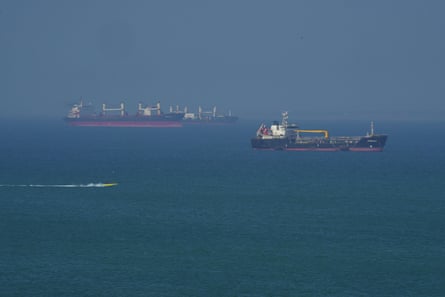
The Strait of Hormuz has emerged as perhaps the most critical flashpoint in this extended conflict. Through which roughly one-third of the world's maritime oil traffic passes, the strait represents vital infrastructure for global energy security. Iran's control over this strategic chokepoint has given it unprecedented leverage in negotiations with the United States. For Washington, the options now appear limited and unpalatable: pursue a lengthy economic war with unpredictable global consequences, or risk an even more dangerous military escalation to restore maritime passage.
The economic implications of an extended conflict are severe and far-reaching. A prolonged economic war would involve sustained sanctions regimes, disruption to international trade, and potential global recession sparked by energy supply disruptions. Oil markets have already become volatile as investors price in the risk premium associated with instability in the Persian Gulf region. Insurance costs for shipping through the strait have climbed substantially, effectively adding a tax on global commerce.
What makes the current situation particularly acute for American strategists is recognition that the Strait of Hormuz may now represent more strategic value to Iran than its nuclear program ever did. Historically, Iran's nuclear ambitions were viewed as the primary security threat requiring military intervention. However, the current reality demonstrates that geographic positioning and control over critical infrastructure may provide Iran with more immediate and concrete advantages. This shift in relative strategic importance fundamentally alters the leverage dynamics between the two nations.

The diplomatic dimensions of this conflict have become increasingly complex. Traditional allies of the United States have expressed concern about the extended timeline and the risks of further escalation. Europe, particularly nations dependent on Middle Eastern energy resources, has grown anxious about the potential for complete regional destabilization. China and India, major consumers of Gulf oil, have quietly signaled their preference for de-escalation and return to normal trade patterns. These international pressures add another constraint on American decision-making.
Within Washington itself, there are clear divisions about the optimal path forward. Some policymakers argue for doubling down on military pressure, believing that sustained operations will eventually force Iranian capitulation. Others warn that this approach risks becoming an open-ended commitment with unclear exit strategies. Still others advocate for negotiated settlements that would require making concessions that many view as undermining the original military campaign's rationale.
The Iran conflict has also exposed significant planning failures in the original campaign design. Intelligence assessments that suggested the Iranian government would fragment or accept terms after military strikes proved inaccurate. The political resilience of the Iranian leadership, combined with nationalist sentiment strengthened by external military threats, has created circumstances exactly opposite to what was anticipated. This recalibration of estimates has shaken confidence in intelligence assessments and long-term strategic planning.
The implications for American credibility globally are also significant. Allies and adversaries alike are watching how this extended operation concludes and what lessons are drawn from it. If the campaign ultimately results in outcomes substantially different from stated objectives, it will reinforce narratives about the limitations of American military power and the difficulties of imposing regime change through force. Conversely, escalating further risks potentially catastrophic consequences that could dwarf the costs of the current conflict.
Looking forward, the situation facing Trump administration officials resembles a classic strategic dilemma with no good options. Military operations have achieved their immediate tactical goals but failed to produce the desired political results. Continuing current operations promises only further expense and risk without clear paths to success. Escalating militarily risks triggering regional conflagration and global economic catastrophe. Negotiating means acknowledging that military force alone could not achieve American objectives. Each path forward involves significant costs and uncertain outcomes, reflecting the fundamental challenge of translating military power into political success in complex regional environments.
The broader lesson emerging from this extended conflict concerns the limits of military intervention in achieving complex political objectives. While military force remains a crucial tool in international relations, the experience with Iran demonstrates that technological superiority and initial tactical success do not automatically translate into strategic victory. Policymakers confronting future security challenges would be wise to absorb this painful lesson about the distinction between winning battles and winning wars.
Source: The Guardian


