
US Inflation Hits 3.8% in April Amid Middle East Tensions

US inflation surged to 3.8% year-over-year in April, marking the highest increase since 2023. Middle East conflict drives energy and consumer prices higher.
US inflation accelerated to 3.8% in April, representing a significant uptick in the cost of living for American consumers and marking the steepest annual increase recorded since 2023. According to comprehensive data released by the Bureau of Labor Statistics, this inflationary surge reflects mounting pressures across multiple economic sectors, with energy prices serving as a primary driver of the overall increase. The rise comes amid escalating geopolitical tensions in the Middle East, where ongoing conflict continues to disrupt global energy markets and reverberate through supply chains worldwide.
The 3.8% year-over-year inflation rate signals a substantial acceleration in price growth, particularly concerning for policymakers and Federal Reserve officials who have been carefully monitoring economic indicators to determine appropriate monetary policy responses. This latest figure demonstrates that despite previous efforts to cool inflation through interest rate adjustments, underlying economic pressures remain robust. The inflation jump reflects a complex interplay of factors, including supply chain disruptions, increased energy costs, and robust consumer demand that continues to outpace supply in certain sectors.
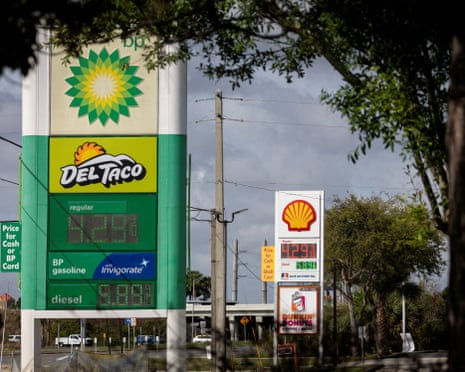
Energy prices have emerged as the most significant contributor to April's inflation figures, with crude oil and petroleum products experiencing notable increases. The ongoing hostilities in the Middle East region have created substantial uncertainty in global energy markets, prompting traders and investors to bid up prices in anticipation of potential supply disruptions. This geopolitical premium on energy commodities directly translates to higher gasoline prices at the pump and increased heating and cooling costs for households across the nation.
Beyond energy-related expenses, the inflation surge has affected numerous consumer staples and discretionary items. Food prices, transportation costs, and housing-related expenses have all contributed to the broader inflationary picture confronting American households. The cumulative effect of these price increases has begun to erode purchasing power for consumers, particularly those in lower and middle-income brackets who spend a higher percentage of their income on essential goods and services. Families are increasingly feeling the squeeze at grocery stores, gas stations, and when paying household utility bills.
The relationship between Middle East geopolitical developments and US economic performance underscores the interconnected nature of global markets in the twenty-first century. Disruptions in oil-producing regions thousands of miles away have immediate consequences for American consumers and businesses. This latest inflation report serves as a stark reminder of how international conflicts can ripple through domestic economies, affecting everything from transportation logistics to manufacturing costs and ultimately the prices consumers face daily.
Economists and market analysts have varied interpretations of what the April inflation reading means for future monetary policy decisions. Some argue that the geopolitically-driven energy price increases are temporary and transitory, suggesting that inflation may moderate once Middle East tensions ease. Others contend that the persistently elevated inflation suggests more structural economic pressures that may require sustained higher interest rates to bring under control. The Federal Reserve will likely scrutinize this data carefully when deliberating on its policy stance in coming meetings.
Consumer sentiment has begun to show signs of strain as individuals confront the reality of higher costs across multiple aspects of their lives. Surveys indicate that Americans are increasingly concerned about inflation and its impact on their future financial security and quality of life. Many households have begun adjusting their spending patterns, cutting back on discretionary purchases and seeking ways to economize on essential expenses. This shift in consumer behavior could have downstream effects on economic growth, as reduced spending by consumers typically leads to lower business revenues and potentially slower economic expansion.
The labor market remains relatively strong despite inflationary pressures, with unemployment rates staying near historical lows. However, wage growth has not consistently kept pace with price increases, meaning that many workers are experiencing real declines in purchasing power even as they earn nominal wage increases. This wage-price dynamic has become increasingly important in inflation discussions, as workers demand higher compensation to offset rising costs, which can in turn create additional pricing pressure on businesses forced to cover elevated payroll expenses.
Looking at specific categories contributing to the April inflation reading, gasoline prices showed particularly pronounced increases, with energy costs broadly pushing significantly higher than the overall inflation rate. Shelter costs, which include both rent and homeowner expenses, have remained elevated, reflecting tight housing markets in many parts of the country. Food and beverage prices continue to climb, pressuring household budgets as families cannot easily reduce their spending on necessities.
The timing of this inflation report raises important questions for political leaders and policymakers entering the election cycle. Inflation directly affects voter sentiment regarding economic conditions and the performance of sitting leaders. The 3.8% annual inflation rate, while lower than the peaks seen in 2022, remains elevated compared to the Federal Reserve's 2% target, suggesting that price pressures have not yet been fully tamed. This reality will likely feature prominently in political debates regarding economic management and future policy directions.
Businesses have faced increasing challenges in navigating the inflationary environment, balancing the need to maintain profit margins with consumer sensitivity to price increases. Many companies have implemented strategic price adjustments, but aggressive pricing often risks alienating cost-conscious customers. The tension between preserving profitability and maintaining market share has become a central strategic concern for corporate leaders across industries. Some sectors have weathered inflationary pressures better than others, with highly competitive industries facing particular challenges in passing increased costs to consumers.
International observers have noted that US inflation trends matter significantly for global economic stability and currency values. Higher inflation in the United States can affect currency exchange rates, trade balances, and investment flows across borders. Central banks in other countries monitor US inflation data carefully, as it influences their own monetary policy decisions and economic outlooks. The April inflation reading will likely influence expectations about US interest rate trajectories and the relative attractiveness of dollar-denominated assets for international investors.
Looking ahead, several factors will likely influence inflation trends in coming months. The evolution of Middle East tensions will play a crucial role in determining energy price trajectories, with any escalation potentially pushing oil prices higher and any de-escalation possibly providing relief. Supply chain conditions continue to gradually normalize, though geopolitical uncertainties threaten to disrupt these improvements. Consumer demand patterns, labor market dynamics, and Federal Reserve policy decisions will all contribute to shaping the inflation outlook for the remainder of the year and beyond.
The April inflation reading serves as an important reminder that despite significant progress in reducing inflation from 2022 peaks, underlying price pressures remain substantial and warrant continued vigilance from policymakers. The interplay between geopolitical developments, energy markets, and domestic economic conditions creates a complex environment that requires careful navigation. As Americans grapple with elevated cost of living, both government officials and Federal Reserve leaders face difficult decisions about how best to support economic stability while managing ongoing inflationary pressures that continue to affect households and businesses across the nation.

