
US-Iran Crisis: Navigating Treacherous Geopolitical Terrain

Analyzing the complex dynamics between the US and Iran, and the potential for a Suez Crisis-level fallout as tensions escalate in the Middle East
The current standoff between the United States and Iran has drawn stark comparisons to the Suez Crisis of 1956, which irrevocably damaged Britain's global standing. As President Trump ratchets up his rhetorical war against Tehran, there are growing concerns that the US risks repeating history by plunging headlong into a conflict with unpredictable consequences.
Trump's penchant for apocalyptic framing of every international event has earned him praise from conservative pundits like Mark Levin, who hails him as a "once-in-a-century president." However, the President cannot continue to tightrope walk through his term without eventually falling off, potentially dragging the US into a steep decline.
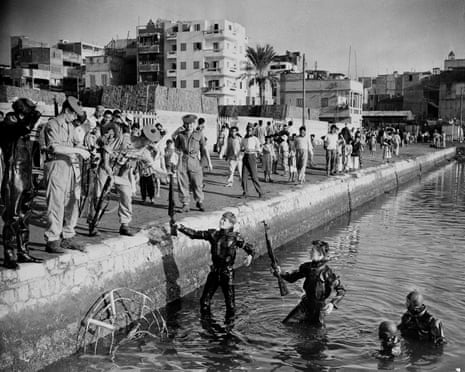
The situation in the Middle East has grown increasingly volatile in recent months, with Iran and the US trading accusations and ultimatums over Tehran's nuclear program and regional influence. The Strait of Hormuz, a critical chokepoint for global oil shipments, has become the epicenter of this geopolitical showdown, raising fears of a potential military confrontation that could disrupt the global economy.
Much like the Suez Crisis, which marked the end of Britain's status as a global superpower, the current US-Iran tensions have the potential to reshape the geopolitical landscape in ways that could undermine American influence and credibility on the world stage. The parallels are striking, as both crises involve high-stakes brinksmanship, nationalist rhetoric, and the risk of miscalculation leading to a catastrophic outcome.
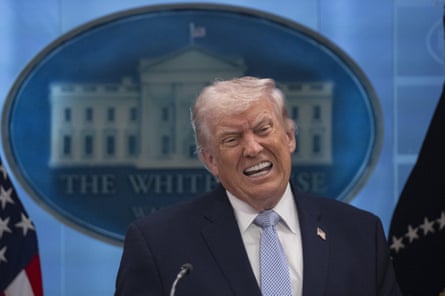
However, while the Suez Crisis was a clear-cut defeat for Britain, the trajectory of the US-Iran standoff remains uncertain. Iran has shown resilience in the face of economic sanctions and a willingness to escalate tensions, while the Trump administration has oscillated between hawkish posturing and occasional overtures for dialogue.
Ultimately, navigating this treacherous geopolitical terrain will require a delicate balance of diplomacy, restraint, and strategic foresight. Failure to do so could indeed relegate the US to a Suez-level crisis, with lasting consequences for its global standing and influence. The stakes have never been higher, and the path forward is fraught with peril.
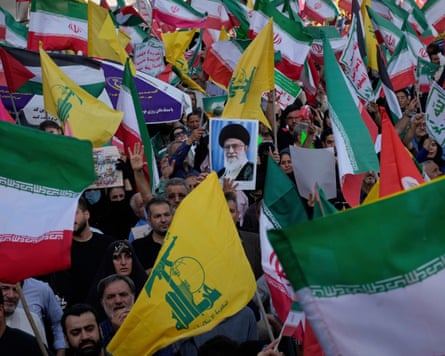
As the world watches the unfolding drama between the US and Iran, it is clear that the future of the Middle East and the global order hang in the balance. The lessons of the Suez Crisis loom large, serving as a sobering reminder that even superpowers are not immune to the perils of reckless foreign policy. The question remains: will the US learn from history, or be doomed to repeat it?
Source: The Guardian


