
US-Iran Peace Talks Push as Ceasefire Deadline Approaches

Diplomatic efforts intensify to bring US and Iran together for negotiations in Pakistan as two-week ceasefire nears its end amid tensions.
As the Middle East teeters on the brink of renewed conflict, US-Iran peace talks have become the focal point of international diplomacy. Intense diplomatic efforts were underway on Tuesday to facilitate a crucial meeting between Iranian and American representatives in Pakistan, with negotiators racing against time as a two-week ceasefire deadline loomed just hours away. The window for dialogue appeared to be closing rapidly, creating an atmosphere of urgency among mediators and foreign policy experts who recognized the fragility of the current situation.
President Donald Trump delivered a stern message on Tuesday, asserting that the United States stands prepared to renew military attacks against Iran should the forthcoming negotiations fail to produce meaningful results. Speaking with characteristic directness, Trump emphasized that the US military remains "raring to go" and positioned himself as willing to escalate tensions if Iran refuses to meet American demands. This tough rhetoric signaled that the administration was maintaining a hardline approach even as diplomatic channels remained open, reflecting the complex balance between negotiation and military posturing that has characterized recent US foreign policy toward the Islamic Republic.
The ceasefire that had held for the past two weeks represented a rare moment of restraint in an otherwise volatile regional conflict. During this period, both sides had refrained from direct military action, allowing a fragile peace to take hold across the Middle East. However, the temporary nature of the agreement meant that unless substantial progress could be achieved in new rounds of talks, the cessation of hostilities would expire, potentially triggering a return to military confrontation. Analysts warned that the stakes could not be higher as negotiators prepared to convene in the Pakistani capital.

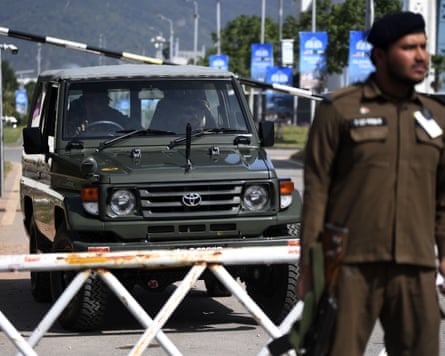
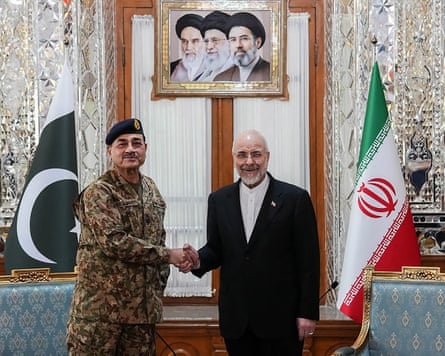
The decision to hold talks in Pakistan reflected the country's role as a neutral intermediary in regional disputes. Pakistani officials had worked behind the scenes to broker this diplomatic opportunity, leveraging their relationships with both Washington and Tehran. Pakistan's position as a Muslim-majority nation with ties to both parties made it a logical venue for such sensitive negotiations, though the security implications of hosting representatives from hostile nations presented significant challenges for Pakistani authorities.
Iran's response to the American ultimatum remained measured but firm, with Iranian officials demonstrating what observers described as an unwillingness to be pressured into accepting US demands. Rather than backing down in response to Trump's threats, the Iranian government appeared to be taking a principled stance, suggesting that any agreement reached must address legitimate Iranian security concerns and regional interests. This posture indicated that both sides were preparing for extended negotiations rather than quick capitulation by either party.
The broader context of Middle Eastern tensions extended far beyond the direct US-Iran relationship. The conflict had created humanitarian crises, displaced civilian populations, and threatened global energy supplies through disruptions to regional shipping routes. International organizations and foreign governments had been mobilizing to prevent the situation from spiraling further out of control, recognizing that a full-scale military confrontation could destabilize the entire region and have ripple effects throughout the global economy.

Prior diplomatic efforts between the United States and Iran had been fraught with difficulty, with both sides accusing the other of bad faith negotiations. The Trump administration had previously withdrawn from the Joint Comprehensive Plan of Action (JCPOA), the landmark nuclear agreement negotiated under the Obama administration, citing concerns about Iranian compliance and arguing that the deal failed to address broader security issues. This history of mistrust made the current diplomatic push particularly challenging, as both nations brought deep-seated grievances and competing strategic objectives to the negotiating table.
Military analysts who were closely monitoring the situation noted that the US military presence in the region had been substantially reinforced in recent weeks. Additional aircraft carrier groups, fighter squadrons, and air defense systems had been deployed to the Persian Gulf and surrounding waters, positioning American forces for rapid escalation if diplomatic efforts failed. This military buildup served as both a deterrent against Iranian aggression and a message that the Trump administration was serious about its threat to resume attacks if necessary.
The Iran nuclear program remained a central concern for the United States and its regional allies, particularly Israel. American officials had consistently argued that Iran's nuclear ambitions posed an existential threat to regional stability and to Israel's security. However, Iran maintained that its nuclear program was exclusively for peaceful energy purposes and that it had the right to pursue nuclear technology under international law. This fundamental disagreement had poisoned negotiations for years and continued to present a major obstacle to reaching any comprehensive agreement.
Humanitarian organizations had been raising alarms about the escalating toll of the conflict on civilian populations. Hospitals in major Iranian cities reported treating increasing numbers of casualties, while refugee camps in neighboring countries were becoming overwhelmed with displaced persons fleeing the violence. The two-week ceasefire had provided temporary relief, allowing aid organizations to deliver supplies and medical personnel to reach those in need. A return to active hostilities threatened to reverse these humanitarian gains and exacerbate an already dire situation.
The international community, including major powers such as Russia, China, and European nations, had been working through various channels to encourage both sides to pursue diplomatic solutions rather than military conflict. The United Nations Security Council had been engaged in closed-door discussions, with different permanent members advocating for different approaches based on their own strategic interests and relationships with the parties involved. This complexity highlighted how a regional conflict could quickly become embroiled in broader geopolitical competition among great powers.
As Tuesday evening approached and the deadline for the ceasefire drew ever closer, the diplomatic community worked feverishly to arrange the Pakistan talks. The success or failure of these negotiations would likely determine whether the region would enjoy continued peace or whether it would descend once again into violence and military operations. Both American and Iranian delegations faced enormous pressure from their respective governments and domestic constituencies to secure favorable outcomes, making compromise and goodwill gestures essential ingredients for any breakthrough.
The broader implications of the current crisis extended well beyond the immediate concerns of the affected parties. Global energy markets remained volatile, with oil prices fluctuating based on each new development in the US-Iran standoff. International businesses operating in the region faced uncertainty about their operations and investments. Financial markets worldwide were monitoring the situation closely, aware that a major military conflict could trigger economic disruptions with worldwide consequences.
Looking ahead, the coming hours would be critical in determining whether diplomacy could prevail over military escalation. The window for meaningful negotiations remained open but was closing rapidly as the two-week ceasefire deadline approached. Both the United States and Iran would need to demonstrate political will and flexibility if a lasting solution was to be achieved. The international community watched and waited, hoping that reason would ultimately triumph over the threats of renewed military action.
Source: The Guardian


