
US-Iran Strait Standoff: Neither Side Can Hold Indefinitely

Military tension escalates as US and Iran clash over Strait of Hormuz control. Experts warn both nations face unsustainable economic and strategic pressures.
The volatile situation unfolding across the Middle East has reached a critical juncture, with recent military exchanges between Iran and the United States raising serious concerns about regional stability and long-term strategic implications. Recent US strikes targeting Iranian positions represent merely the opening rounds of what analysts describe as an increasingly precarious standoff, one that neither nation can realistically maintain without facing severe economic and political consequences. The escalating tensions underscore the fundamental reality that the current trajectory of confrontation is unsustainable for both Washington and Tehran, creating pressure for negotiation despite the hardened rhetoric emanating from both capitals.
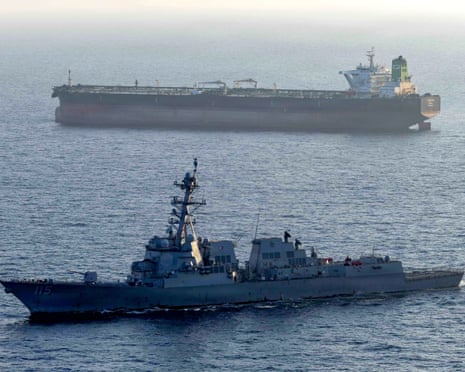
While President Donald Trump characterized the latest military operations as merely "a love tap," the underlying dynamics suggest a far more serious situation with potentially devastating implications for global energy markets and international stability. The Strait of Hormuz standoff represents one of the most critical chokepoints in global commerce, with approximately one-third of the world's seaborne traded oil passing through this vital waterway. The ability to control or disrupt this passage carries immense geopolitical weight, making the current confrontation far more consequential than casual characterizations might suggest.
The military asymmetry between the two nations appears stark on the surface. The US and its ally Israel have demonstrated comprehensive military superiority throughout the 38-day conflict, suffering minimal casualties while inflicting significant damage on Iranian assets and infrastructure. However, this apparent military advantage has not translated into the strategic dominance that Washington policymakers had anticipated, revealing a crucial gap between tactical military success and lasting geopolitical control. Meanwhile, Iran has managed to consolidate its position regarding the strait, leveraging its geographic proximity and naval capabilities to assert influence over maritime commerce and drive oil prices upward, creating economic pressure on the United States and its allies.
The economic ramifications of this standoff fall unevenly on the two nations, presenting a critical pressure point that will ultimately force a resolution. For Iranians, the situation represents an existential challenge, as the nation's economy remains highly vulnerable to sanctions, currency fluctuations, and disruptions to its oil export capabilities. Simply maintaining the status quo could prove catastrophic for Iran's already-strained economy, with ordinary Iranians facing potential shortages of essential goods, inflation, and unemployment as the standoff continues. The Iranian government faces mounting domestic pressure to resolve the crisis, as citizens grapple with the real-world consequences of prolonged international confrontation.
Conversely, the Trump administration confronts its own economic challenge stemming from the very policies designed to isolate and pressure Iran. The rising oil prices resulting from the Iranian strait control threaten to undermine economic gains that the administration has touted, potentially dampening consumer confidence and affecting GDP growth in crucial election cycle considerations. Energy prices ripple through every sector of the American economy, from transportation to manufacturing to consumer goods, making sustained elevated oil costs politically unsustainable for a president who campaigned on economic competence and prosperity. This economic pressure creates an incentive for the Trump administration to seek a resolution, even as hardliners counsel continued confrontation.
The geopolitical dynamics at play extend far beyond bilateral US-Iran relations, encompassing critical interests of European nations, Asian economies, and global financial systems. China and India, both heavily dependent on Middle Eastern oil, have substantial economic stakes in resolving this crisis before supply disruptions become more severe. European nations, already struggling with energy security challenges, have little interest in prolonged Middle Eastern instability that could further complicate their economic circumstances. These third-party interests create international pressure for de-escalation and negotiation, potentially providing openings for diplomatic solutions if policymakers on both sides demonstrate willingness to engage.
Historical precedent suggests that maritime standoffs in this region, while dramatic, typically resolve through diplomatic channels when economic pain becomes sufficiently widespread. The Iran-Iraq War saw tanker warfare disrupt shipping, ultimately contributing to pressures that led to conflict termination. Similarly, the nuclear negotiations that produced the Joint Comprehensive Plan of Action (JCPOA) demonstrated that despite deep mistrust and hostile rhetoric, substantive agreements could be reached when both sides recognized mutual costs of continued confrontation. The current situation, while dangerous, may ultimately follow similar patterns if sufficient economic pressure accumulates on both the American and Iranian sides.
The military balance, while favoring the United States and Israel in conventional capabilities, masks the strategic realities of sustained regional conflict. Prolonged confrontation guarantees continued volatility in energy markets, creating headwinds for global economic growth and complicating policy decisions for central banks worldwide. Moreover, the longer the standoff persists, the greater the risk of miscalculation, accident, or unauthorized action by non-state actors that could escalate the situation beyond either nation's intentions or control. Both the US and Iran have sufficient military capability to inflict meaningful damage on each other's interests, even if overall strategic superiority tilts toward Washington.
For Iranian leadership, the calculus involves recognizing that continued economic pressure from sanctions combined with the costs of military confrontation could ultimately force greater concessions than might be negotiated now from a position of relative strength regarding the strait. For the Trump administration, the recognition that military superiority does not automatically convert to political success, combined with domestic economic pressures from elevated oil prices, creates incentives to explore diplomatic off-ramps that allow both sides to claim tactical or strategic gains. The current situation resembles a high-stakes game of chicken where both drivers eventually must swerve to avoid catastrophic collision.
The fundamental reality underpinning this analysis is that neither side can sustain the current standoff indefinitely without incurring costs that exceed the benefits of continued confrontation. Iran cannot absorb sustained economic pressure while maintaining its current military posture, and the United States cannot sustain elevated oil prices and global market instability without damage to its economic and political interests. This recognition should eventually push both nations toward negotiating some form of resolution, whether through quiet diplomatic channels, international mediation, or a combination of military signaling and dialogue. The window for achieving a negotiated settlement remains open, but it will not remain so indefinitely as economic costs continue to accumulate and the risk of unintended escalation increases with each exchange of fire.
Source: The Guardian


