
US Labels Europe Terrorism 'Incubator' in New Strategy

Trump administration's counter-terrorism strategy accuses Europe of enabling terrorism through migration, targets left-wing extremists and drug cartels.
The Trump administration has released a comprehensive 16-page counter-terrorism strategy that fundamentally reshapes how the United States approaches global security threats. Led by Trump-ally Sebastian Gorka, this new policy document represents a significant departure from previous counter-terrorism frameworks and introduces controversial characterizations of international threats. The strategy places particular emphasis on what administration officials characterize as the relationship between migration policies and terrorism, with Europe bearing the brunt of these allegations.
In a striking assertion, the strategy accuses Europe of functioning as an "incubator" for terrorism fuelled by uncontrolled mass migration. This characterization reflects the Trump administration's hardline stance on immigration policy and its belief that permissive asylum and refugee acceptance policies have created security vulnerabilities across European nations. The strategy contends that the influx of migrants into European countries has created conditions that extremist organizations exploit to recruit members and plan operations.
The 16-page document, unveiled on Wednesday, goes beyond traditional counter-terrorism concerns to address what the administration identifies as violent left-wing extremists. This expansion of the counter-terrorism framework represents a notable political shift, as previous administrations have typically focused counter-terrorism resources primarily on foreign and domestic jihadist organizations. The strategy specifically identifies "radically pro-transgender" groups within its assessment of extremist threats, reflecting the administration's broader political priorities.
The inclusion of left-wing activist groups within the counter-terrorism strategy framework has generated significant controversy among civil liberties advocates and national security experts. Critics argue that expanding the definition of terrorism to encompass political protest groups represents a weaponization of counter-terrorism resources for partisan political purposes. The strategy's characterization of specific ideological movements as terrorist threats marks a notable departure from established definitions grounded in violence and organized conspiracy.
A central pillar of the new strategy focuses on drug cartels operating throughout the Americas, particularly in Central America and Mexico. The administration argues that these criminal organizations pose a significant national security threat that has been underemphasized in previous counter-terrorism strategies. By explicitly linking drug trafficking operations with terrorism financing and recruitment networks, the Trump administration seeks to justify enhanced military and law enforcement operations against cartel organizations.
The strategy document emphasizes the interconnected nature of drug trafficking and terrorism, suggesting that cartel networks provide financial support, weapons, and operational expertise to terrorist organizations. This framing allows the administration to justify counter-terrorism funding and authorities for operations traditionally classified as drug enforcement efforts. The administration contends that major cartels operating along the US-Mexico border represent an existential threat requiring comprehensive counter-terrorism responses.
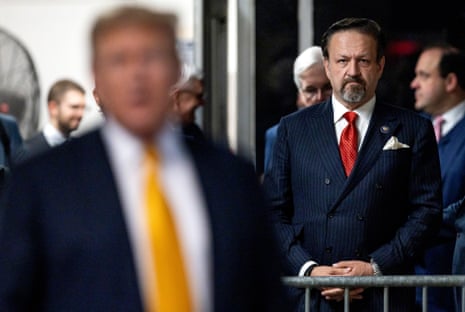
Sebastian Gorka's leadership of the strategy formulation process signals the political nature of this counter-terrorism framework. Gorka has been a prominent figure within conservative policy circles and has advocated for aggressive approaches to both Islamic extremism and left-wing activism. His involvement suggests that this strategy reflects broader Trump administration political priorities beyond traditional counter-terrorism concerns rooted in national security analysis.
The strategy's treatment of European migration policy reflects ongoing tensions between the Trump administration and key European allies regarding asylum acceptance and border management. While European nations have grappled with historically high numbers of asylum seekers and migrants, the Trump administration characterizes these populations as inherent security risks. This framing oversimplifies complex demographic and geopolitical realities while advancing a particular political narrative about immigration and security.
The document's comprehensive approach attempts to integrate multiple security challenges—international terrorism, domestic extremism, and drug trafficking—under a unified counter-terrorism framework. This integration allows the administration to request expanded authorities and funding for operations across multiple domains. However, security experts have raised questions about whether this broad approach dilutes focus on the most significant terrorism threats while advancing political objectives.
The strategy arrives at a time of heightened tensions between the United States and Europe over various policy matters, including trade disputes and NATO burden-sharing. By publicly criticizing European migration policies as terrorism enablers, the Trump administration applies pressure on allies to adopt stricter immigration controls. This diplomatic approach reflects the administration's broader push to reshape international alliances according to its political priorities.
The inclusion of left-wing activist groups within a counter-terrorism framework raises fundamental questions about how governments define and respond to security threats. Traditional counter-terrorism focuses on organizations employing systematic violence to achieve political objectives. Expanding this definition to encompass ideological opponents without demonstrated operational capacity for organized violence represents a significant conceptual shift with profound implications for civil liberties and political expression.
The strategy document provides the Trump administration with rhetorical ammunition for its broader political agenda while attempting to ground these political priorities within a national security framework. By characterizing migration as a terrorism vector and left-wing activism as an extremist threat, the administration legitimizes responses that might otherwise face legal or political scrutiny. This approach raises questions among constitutional scholars and civil liberties organizations about the appropriate role of counter-terrorism resources in a democratic political system.
The new counter-terrorism strategy signals a fundamental reconceptualization of national security threats according to Trump administration priorities. Rather than limiting counter-terrorism to organizations employing systematic violence, the strategy expands the framework to encompass migration, specific ideological movements, and criminal organizations. This comprehensive approach reflects political rather than purely security-based analysis, raising important questions about the appropriate scope and application of counter-terrorism authorities in democratic societies.
Source: The Guardian


