
US Military Aircraft Activity Escalates Near Cuba

Tracking data reveals increased US Navy reconnaissance flights and drone operations near Cuba, signaling rising tensions in the region.
Recent tracking data has revealed a significant increase in US military aircraft activity in the vicinity of Cuba, with multiple reconnaissance flights documented by Navy jets and unmanned aerial vehicles over the course of the past seven days. The heightened operational tempo represents a notable shift in regional monitoring patterns and reflects ongoing geopolitical sensitivities surrounding the strategically important Caribbean nation.
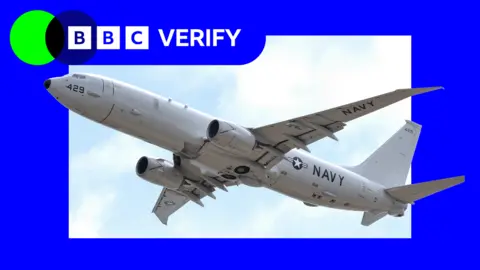
Flight tracking systems and independent aviation monitors have captured detailed information about numerous sorties conducted by US Navy reconnaissance jets, including several P-8 Poseidon maritime patrol aircraft and other advanced surveillance platforms. These specialized aircraft are equipped with sophisticated sensor systems designed to gather intelligence on maritime activities, submarine movements, and coastal operations throughout the region. The deployment of such assets typically indicates elevated alertness and operational readiness among American military forces.
Alongside manned reconnaissance missions, unmanned drones have also been documented conducting extended surveillance operations in proximity to Cuban airspace. The integration of both crewed and uncrewed systems reflects modern military doctrine emphasizing persistent monitoring capabilities across vast oceanic and coastal areas. These drone operations can maintain surveillance for extended periods, providing continuous real-time intelligence gathering without risking aircrew safety.
The timing of this increased military activity coincides with broader discussions regarding Caribbean security, American strategic interests in the Western Hemisphere, and diplomatic relations with Cuba. Historical context suggests that such aerial operations near Cuban territory have frequently corresponded with periods of heightened tensions between Washington and Havana, though military officials have consistently framed these missions as routine surveillance and monitoring activities essential for maintaining regional security awareness.
Naval aviation experts note that the specific aircraft types observed during these recent operations are among the most advanced reconnaissance platforms in the American military arsenal. The P-8 Poseidon, in particular, represents the latest generation of maritime patrol technology and is primarily utilized for anti-submarine warfare, maritime surveillance, and intelligence gathering operations. The presence of such sophisticated assets suggests that the scope and importance of monitoring operations in this region remains a priority for military planners.
Drone operations documented by tracking services indicate the continued reliance on unmanned platforms for persistent surveillance missions over extended geographic areas. These unmanned aerial vehicles, often equipped with advanced sensor suites including synthetic aperture radar and electro-optical systems, can provide detailed imagery and technical intelligence while maintaining standoff distances from potential threats. The endurance capabilities of modern drones allow for continuous monitoring operations that would be impractical with crewed aircraft alone.
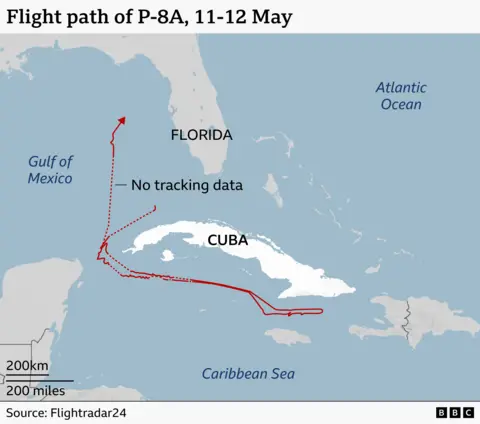
Regional analysts have observed that Cuban tensions have demonstrated cyclical patterns over recent decades, with periods of elevated military activity often preceding or following diplomatic incidents or policy announcements. The current uptick in aerial reconnaissance missions suggests that American military planners are maintaining heightened vigilance regarding developments on the island nation. Such monitoring operations provide critical early warning capabilities and situational awareness for decision-makers at the highest levels of government.
The aircraft involved in these operations originate from various military bases across the southeastern United States, with primary staging areas located in Florida and other strategic locations throughout the region. The proximity of these bases to Cuba has historically positioned American forces for rapid response and continuous monitoring operations. Regular rotations of personnel and aircraft maintain operational readiness while distributing the demanding requirements of extended surveillance missions.
Military officials have characterized these aerial operations as routine peacetime surveillance activities designed to maintain awareness of the maritime environment and coastal regions. Such explanations are consistent with broader patterns of American military operations throughout the Caribbean, where the United States maintains significant naval and air force presence to protect vital shipping lanes and defend national interests. The strategic importance of this region to American security has remained relatively constant throughout the post-Cold War era.
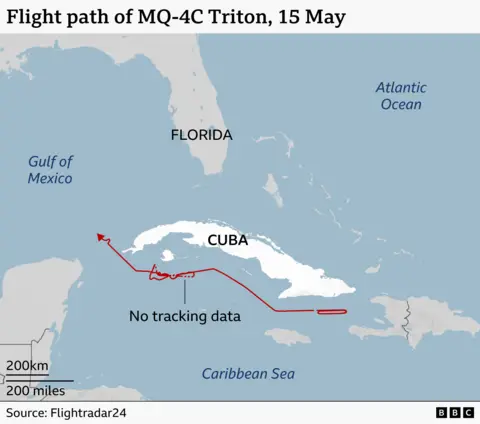
Independent observers tracking these flights have noted variations in flight patterns and altitude profiles that suggest different operational objectives for various missions. Some sorties appear optimized for maritime surveillance, while others suggest focus on coastal monitoring or intelligence gathering operations. These tactical details provide insights into the specific focus areas and priorities of American military planners regarding regional security concerns.
The continued deployment of advanced reconnaissance assets near Cuba underscores the enduring importance that American military strategists attach to maintaining situational awareness in this region. Despite diplomatic complexities and historical tensions between the two nations, the military requirement for persistent surveillance of Cuban territory and surrounding waters remains a fundamental aspect of American security operations in the Caribbean. The presence of these aircraft serves as both a monitoring tool and an implicit assertion of American military capability and determination to maintain regional awareness.
As these operations continue, they represent just one element of the broader strategic competition and monitoring activities that characterize contemporary American military operations throughout the Caribbean region. The sophisticated technology employed in these missions reflects decades of investment in advanced reconnaissance systems and demonstrates the technological superiority that American forces maintain in the air and maritime domains. The sustainability and evolution of these operations will likely depend on broader geopolitical developments and policy decisions made by civilian leadership in Washington.

Looking forward, the frequency and scope of surveillance missions near Cuba may shift based on diplomatic developments, regional security incidents, or changes in American strategic priorities. Military planners will continue to balance the requirements for adequate monitoring of potential threats against diplomatic sensitivities and resource constraints. The sophisticated assets currently deployed demonstrate the serious commitment that American military leadership maintains toward understanding and monitoring developments in one of the world's most strategically significant regions.
Source: BBC News


