
US Military Bolsters Presence in Middle East Amid Tensions

Reports indicate the US is deploying additional Marines and warships to the Middle East as part of a reinforcement effort, likely in response to regional instability.
The United States is reportedly increasing its military presence in the Middle East, with plans to move more US Marines and naval assets to the region. According to officials, the reinforcements will come from an amphibious ready group that is typically stationed in Japan.
While the exact reasons for this deployment are not entirely clear, it likely reflects growing concerns about regional stability and potential threats to American interests in the Middle East. The move is seen as a proactive measure to bolster the US military's capability to respond quickly to any emerging crises or contingencies that may arise in the volatile region.
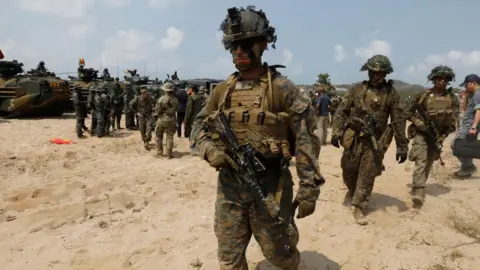
The additional troops and warships will join the existing US military footprint in the Middle East, which includes a significant presence in countries like Qatar, Bahrain, and the United Arab Emirates. This deployment is intended to enhance the US's ability to project power and protect its assets and allies in the region, should the need arise.
While the specific details of the troop movements and the reasons behind them are not yet fully known, the decision to reinforce the US military presence in the Middle East underscores the ongoing challenges and complexities that the region continues to present. As tensions remain high in several parts of the Middle East, the US is taking steps to ensure it is prepared to respond effectively to any potential developments.
The deployment of these additional resources is a clear signal that the US remains committed to maintaining a robust military presence in the Middle East, even as it grapples with other global priorities and strategic challenges. This move is likely to be closely watched by allies and adversaries alike, as it reflects the continuing importance of the Middle East to American foreign policy and national security interests.
Source: BBC News


