
US Navy Intercepts Iran Oil Ship Amid Trump Tensions

The US Central Command has intercepted 33 vessels in its ongoing blockade of Iranian shipping. Learn about the escalating maritime tensions.
In a significant escalation of US-Iran maritime tensions, the United States military has boarded a commercial vessel carrying Iranian oil as part of its intensified enforcement operations in international waters. The action represents another chapter in the ongoing confrontation between Washington and Tehran, with the Trump administration maintaining an increasingly aggressive posture toward Iranian shipping activities in global trade routes.
The Central Command confirmed that boarding operations targeting the oil tanker occurred as part of broader interdiction efforts targeting vessels engaged in trade with Iran. According to military officials, the vessel was suspected of transporting crude oil destined for Iranian markets or operating in violation of existing sanctions regimes. The boarding team conducted a thorough inspection of the ship's cargo manifests, documentation, and operational records to verify its compliance with international maritime regulations and sanctions protocols.
This latest interception adds to a growing tally of maritime interventions in the region. Central Command reported that it has successfully intercepted a total of 33 vessels since implementing the blockade on ships traveling to and from Iran. The cumulative figure underscores the scale of the military's enforcement operations and demonstrates a sustained commitment to disrupting Iranian commercial activities through maritime interdiction strategies.
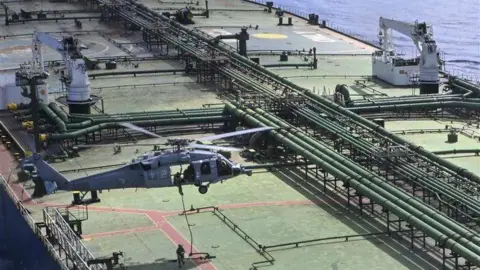
The Trump administration has signaled its intent to further escalate pressure on Iranian shipping, with officials threatening to deploy mine-laying operations against vessels suspected of supporting Iranian trade networks. This dramatic escalation has alarmed shipping companies and maritime insurers operating in the region, as the prospect of naval mines poses severe risks to commercial traffic transiting critical waterways. International shipping organizations have expressed serious concerns about the potential impact on global energy markets and the safety of merchant crews navigating contested waters.
The blockade enforcement strategy reflects the administration's broader policy of maximum pressure on Iran's economy. By targeting shipping infrastructure and commercial vessels, US military operations aim to restrict Iran's ability to sell oil on international markets, thereby reducing government revenues and limiting funding for activities Washington views as destabilizing. The strategy leverages America's dominant naval position in global waters to implement a de facto embargo on Iranian commerce.
Legal experts and international maritime authorities have raised questions about the legitimacy of some boarding operations under international law. While the United States claims these actions are consistent with UN Security Council resolutions and international maritime conventions, several countries and maritime organizations have expressed reservations about the scope and authority of the interdiction campaign. The debate highlights tensions between national security concerns and established international protocols governing freedom of navigation on the high seas.
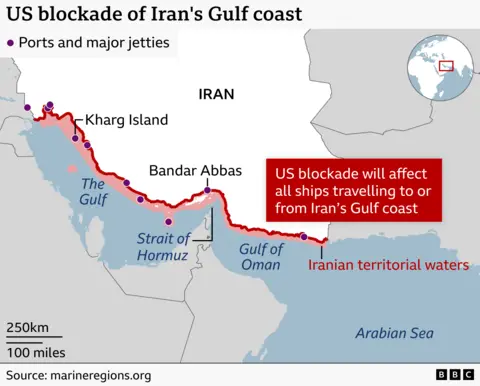
The Iranian government has condemned the boarding operations as acts of piracy and violations of international law. Tehran has vowed to retaliate against what it characterizes as illegal harassment of its commercial shipping. In response, Iran has increased its own naval presence in the region and conducted military exercises designed to demonstrate its resolve in protecting shipping lanes it considers vital to its national interests. The tit-for-tat escalations have created a volatile situation with potential consequences for regional stability and global energy security.
Shipping companies operating in the region face unprecedented challenges in managing risk and compliance. Vessel operators must navigate an increasingly complex web of sanctions requirements, military interdiction zones, and insurance limitations. Many companies have begun rerouting shipments around the region entirely, choosing longer maritime routes through different bodies of water to avoid potential interception. This commercial disruption has created inefficiencies in global supply chains and contributed to higher transportation costs for businesses dependent on Middle Eastern oil and trade.
The mine-laying threat represents an escalation that has prompted urgent diplomatic concerns from allied nations and international organizations. The deployment of naval mines would effectively create a blockade enforced through physical barriers rather than military interdiction, fundamentally altering maritime commerce patterns. International maritime law permits defensive mine-laying in certain circumstances, but the proposed operations would mark an unprecedented expansion of this practice in peacetime, with implications for the broader international order governing seas and waterways.
Regional analysts point out that the escalating confrontation reflects deeper strategic competition between the United States and Iran over influence in the Middle East. The maritime campaign represents one dimension of this broader rivalry, which encompasses military deployments, proxy conflicts, and economic sanctions. Understanding the boarding operations and blockade requires examining these wider geopolitical contexts and the long history of tensions between Washington and Tehran.
The international community has watched these developments with growing concern. Some nations have called for diplomatic resolution, while others have begun preparing contingency plans for potential disruptions to energy supplies and maritime commerce. The United Nations has expressed interest in facilitating talks between the parties to reduce tensions and establish protocols that balance security concerns with legitimate commercial interests.
Looking forward, the situation remains fluid and unpredictable. The Trump administration has demonstrated its willingness to take unilateral action to enforce its Iran policy, while Tehran has shown resolve in resisting what it views as unjust restrictions on its sovereign commerce. The naval confrontation in the Persian Gulf and surrounding waters will likely continue shaping regional dynamics and global energy markets for the foreseeable future, with significant implications for international shipping, oil prices, and geopolitical stability.
Source: BBC News


