
US Oil Era Ends as China Leads Energy Shift

America's dominance in fossil fuels faces collapse while China surges ahead in renewable energy transition. Geopolitical power dynamics are fundamentally reshaping.
The global landscape of energy production and consumption is undergoing a seismic transformation that represents one of the most significant geopolitical shifts of the twenty-first century. As China dominates the energy transition with remarkable achievements in renewable energy infrastructure, the traditional American model of petro-powered dominance shows unmistakable signs of decline. This fundamental realignment of global power structures suggests that the era of Western control over energy markets—a cornerstone of international relations for nearly a century—is drawing to a close, with profound implications for economies, security arrangements, and environmental policy worldwide.
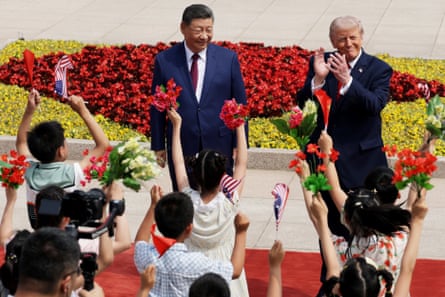
During a recent high-profile summit between American and Chinese leaders in Beijing, the symbolic imagery of the moment crystallized the changing dynamics perfectly. Chinese children waving flags and bidding farewell to the American president as he departed on Air Force One provided a striking visual representation of shifting power relations. While the American leader claimed to have negotiated "fantastic" trade deals involving American oil exports, aviation equipment, and agricultural products for the Chinese market, these assertions remain unconfirmed by Chinese officials who maintained their diplomatic composure throughout the proceedings. The most revealing aspect of the two-day summit, however, transcended these individual trade negotiations and pointed to something far more consequential: a fundamental transition from what might be termed a "petrostate" model in the West to an emerging "electrostate" paradigm in the East.
The implications of this shift cannot be overstated for understanding contemporary geopolitics and future economic trajectories. Fossil fuel dominance has historically been synonymous with American global power projection, military superiority, and economic leverage over allies and adversaries alike. The petrodollar system, established in the 1970s following the oil crisis, created a framework where nations required dollars to purchase oil, thereby cementing American financial supremacy. For decades, control over oil reserves and production capacity translated directly into diplomatic influence, military bases, and geopolitical advantages across the Middle East and other strategically important regions. This energy-based hierarchy has been central to how the international system has functioned and how power has been distributed among nations.

Yet the foundations of this petrostate model are crumbling as technological advancement, climate awareness, and economic incentives accelerate the transition toward renewable energy sources. China's renewable energy sector has grown with stunning velocity, encompassing massive investments in solar panels, wind turbines, battery technology, and electrical grid modernization. China now leads the world in solar panel manufacturing, wind turbine production, and battery storage capacity—the critical technologies that will define energy systems in the coming decades. This isn't merely about environmental consciousness or meeting climate commitments; China has recognized that renewable energy dominance represents a form of economic and geopolitical power comparable to oil dominance in previous eras. Nations that control critical renewable technologies and supply chains will enjoy significant leverage over those that depend on them.
The American approach to this energy transition presents a stark contrast to China's coordinated strategy and massive investment commitments. Rather than embracing the inevitable shift toward clean energy with the same urgency and resources that China has mobilized, significant political factions within the United States have actively resisted renewable energy adoption while attempting to prop up legacy fossil fuel industries. This resistance, which has been characterized as "fossil fuel fascism" by critics, involves regulatory rollbacks, subsidies for coal and oil producers, and rhetorical attacks on environmental regulations and scientific consensus. The political economy of fossil fuel interests remains deeply embedded in American governance structures, creating powerful constituencies opposed to rapid energy transition regardless of long-term national interests or environmental imperatives.
This divergence in national strategies reflects deeper differences in governance models, long-term planning horizons, and political decision-making processes. China's system, whatever its other characteristics, has demonstrated capacity for coordinating large-scale industrial transformation toward specified strategic objectives. The country identified renewable energy as the future of global power and economic competitiveness and allocated resources accordingly, with state backing, industrial policy coordination, and coordinated private sector mobilization. American governance, by contrast, remains fractured between competing interests, with fossil fuel industries leveraging campaign contributions, lobbying, and political influence to obstruct policies that would accelerate energy transition. This structural difference in how nations make strategic decisions about their economic futures suggests that China will continue widening its advantage in clean energy technologies and supply chains.
The consequences of America's delayed transition and resistance to clean energy adoption will likely manifest across multiple dimensions of national power and security. As renewable energy becomes increasingly central to economic prosperity and military capability, nations that lag in developing expertise, manufacturing capacity, and supply chain control will find themselves disadvantaged. China's emerging dominance in battery technology, for instance, represents not merely an industrial advantage but a strategic vulnerability for nations like the United States that depend on imported batteries for vehicles, grid storage, and military applications. The energy transition is simultaneously an economic transformation and a reordering of geopolitical relationships that will determine which nations exercise influence in the coming decades.

The ugliness that may accompany America's eventual and unavoidable energy transition stems from the likely manner in which it will be forced upon the country. Rather than managing this transformation proactively through coordinated policy, investment, and industrial strategy, the United States appears headed toward a scenario in which the transition occurs reactively and disruptively. As American fossil fuel industries become increasingly uncompetitive against renewables—a process already visibly underway—stranded assets will accumulate, workers and communities dependent on coal and oil will face severe disruptions, and political conflict will intensify. The economic dislocation, regional inequality, and social tensions that accompany such transitions can fuel political instability and policy paralysis precisely when strategic adaptability is most needed.
Furthermore, the global consequences of American delay and Chinese acceleration extend beyond bilateral competition between two nations. The international energy system, the configuration of security alliances, and the framework of global governance will all be reordered by these tectonic shifts in energy production and consumption patterns. Nations that have aligned themselves with American interests based on historical patterns of oil-based power relationships may find themselves reassessing alliances as the material basis for American primacy erodes. The Middle Eastern petrostates that have been central to American Middle Eastern strategy for decades may seek to diversify their international relationships and economic partnerships. The dollar's position as global reserve currency, partially supported by the petrodollar arrangement, faces long-term pressure as energy trade becomes increasingly denominated in other currencies or settled through alternative mechanisms.
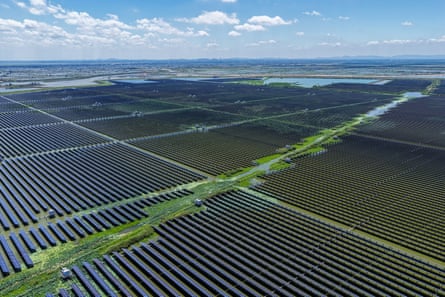
The path forward for the United States in this transformed energy landscape remains uncertain but will ultimately depend on whether American political and economic institutions can overcome the resistance of entrenched fossil fuel interests and embrace the scale and speed of transition that China has demonstrated possible. The window for managing this transition in an orderly fashion, with policies that protect workers, invest in new industries, and maintain technological leadership, remains open but is closing. The choice before American leadership is stark: invest decisively in clean energy industries, manufacturing, and supply chains to compete with China on the technologies that will define the next era of global power, or continue defending a declining fossil fuel industry while watching American influence and prosperity diminish. The ultimate answer to "what comes next" depends entirely on decisions being made right now in boardrooms, legislatures, and executive offices throughout the United States.
Source: The Guardian


