
US Pandemic Preparedness Crisis: Experts Warn Nation Unprepared

Public health experts warn the US faces critical gaps in pandemic preparedness due to budget cuts and misinformation challenges following COVID-19.
As the United States grapples with a recent hantavirus outbreak, public health officials and epidemiologists are sounding the alarm about the nation's deteriorating pandemic preparedness capabilities. The concerning gaps in America's disease surveillance and response infrastructure have become increasingly apparent, revealing troubling vulnerabilities that could hamper efforts to combat future infectious disease threats. Experts warn that without immediate action and renewed investment, the country remains dangerously unprepared for emerging health crises that could rival or exceed the scale of the COVID-19 pandemic.
The hantavirus outbreak, while not expected to develop into a widespread pandemic, has served as a critical wake-up call for the public health community. It has exposed significant weaknesses in the nation's ability to rapidly test for rare and exotic diseases, a capability that proved essential during the COVID-19 emergency response. Beyond testing infrastructure, the outbreak has highlighted deficiencies in outbreak prevention expertise, emergency response coordination, and the public health workforce's capacity to manage simultaneous health threats. These revelations have prompted serious discussions among health officials about the systematic decline in public health preparedness that has occurred since the pandemic's peak.
Stephanie Psaki, who served as the White House global health security coordinator during the previous administration, has been among the most vocal critics of the current state of American pandemic readiness. In her assessment of the hantavirus situation and its broader implications, Psaki emphasized that complacency would be a dangerous response to the current outbreak. "Assuming everything goes well in containing this outbreak, which I hope it does, the takeaway from that should not be 'we're fine,'" Psaki stated bluntly. "We're not ready for this type of threat," she added, underscoring the urgent need for systemic changes and renewed commitment to public health infrastructure.

One of the most pressing challenges confronting public health agencies across America is the dramatic reduction in funding for disease surveillance and prevention programs. Over the past two years, Congress has significantly reduced appropriations for the Centers for Disease Control and Prevention and other critical public health agencies, forcing difficult decisions about which programs to maintain and which to cut. This financial squeeze has resulted in fewer epidemiologists available to track disease patterns, reduced laboratory capacity for pathogen identification, and diminished resources for training the next generation of public health professionals. The cumulative effect of these budget cuts threatens to undermine decades of progress in building robust disease detection and response systems.
The deterioration of disease testing capabilities represents a particularly acute vulnerability in the nation's pandemic defense framework. Many state and local health departments have been forced to reduce their laboratory capacity, meaning they cannot efficiently test for rare or unusual pathogens that fall outside routine screening protocols. This limitation is especially concerning given that pandemic precursors often begin as localized outbreaks of novel or rare diseases that require sophisticated diagnostic capabilities to identify and characterize. Without adequate testing infrastructure, health authorities may miss the early warning signs of an emerging threat, allowing it to spread before proper containment measures can be implemented.
Beyond the infrastructure challenges, experts identify misinformation and eroded public trust as critical obstacles to effective pandemic response. The COVID-19 pandemic exposed and exacerbated deep divisions in American society regarding public health guidance, vaccine safety, and the appropriate balance between individual liberty and collective protection. These divisions have not healed in the intervening years; instead, they have calcified into entrenched positions that make it increasingly difficult for health authorities to communicate effectively during crises. When the next major outbreak occurs, public health officials will face skeptical populations predisposed to distrust official messaging, potentially undermining compliance with vital prevention measures like testing, isolation, and vaccination.
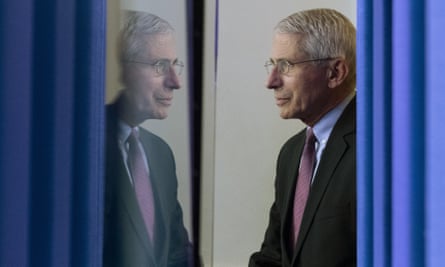
The expertise deficit in outbreak prevention and response has become another area of serious concern within the public health establishment. Many experienced epidemiologists and disease control specialists who rose to prominence during the COVID-19 response have left government service for positions in academia, private industry, or retirement. This brain drain has deprived federal and state health agencies of crucial institutional knowledge and experienced personnel who understand the complexities of managing large-scale disease outbreaks. Training new professionals to replace them requires years of education and apprenticeship, a luxury the nation may not have if another major outbreak occurs in the near term.
The hantavirus outbreak itself, while contained thus far, demonstrates the reality of ongoing disease threats in America. Hantavirus, transmitted to humans through contact with infected rodents or their droppings, causes a serious respiratory disease with a high fatality rate among those who develop symptoms. While the current outbreak has not yet spiraled into a major public health emergency, its emergence illustrates the principle that novel and emerging infectious diseases pose a permanent threat to human populations. Without vigilant surveillance, rapid response capabilities, and public cooperation, even a limited outbreak of a deadly pathogen could escalate into something far more serious.
Public health advocates are calling for immediate action to reverse the decline in pandemic readiness and rebuild the nation's disease surveillance infrastructure. This would require sustained funding increases for the CDC, state health departments, and public health workforce development programs. It would also demand renewed investment in research facilities and diagnostic capabilities, ensuring that laboratories across the country maintain the capacity to identify novel pathogens quickly. Additionally, experts emphasize the need for better coordination between federal, state, and local health authorities, creating more efficient communication channels and response protocols that can be activated rapidly when threats emerge.
Addressing the misinformation challenge will require a multifaceted approach that includes improved science communication, partnerships with trusted community voices, and greater transparency about the decision-making processes underlying public health recommendations. Building back public trust, damaged by pandemic-era controversies and polarization, will take time and consistent effort from health authorities committed to acknowledging past mistakes while presenting evidence-based guidance for future threats. Educational initiatives aimed at improving scientific literacy and critical thinking skills could help the general public better evaluate health information and resist manipulative misinformation campaigns.
The window for action may be narrowing as new pathogens continue to emerge from natural reservoirs and human-animal contact zones around the world. Global trade, travel, and urbanization create countless opportunities for zoonotic diseases to jump into human populations, and any of these spillover events could trigger the next significant outbreak. Without substantial improvements to pandemic preparedness and public health infrastructure, experts warn that the nation will face a repeat of the chaotic early months of the COVID-19 pandemic, or potentially something far worse.
Ultimately, the hantavirus outbreak serves as a sobering reminder that pandemic preparedness cannot be treated as a temporary concern that fades once an immediate crisis has passed. Public health security requires sustained commitment, continuous investment, and the maintenance of readiness even during periods of relative calm. The nation's experts have sent a clear message: complacency about pandemic preparedness is dangerous, resources for disease surveillance must be restored, and the public trust that is fundamental to effective health emergency response must be carefully rebuilt. The question now is whether policymakers will heed these warnings and take the necessary steps to ensure that America is truly ready for the next pandemic threat.

