
US Secures AI Safety Deals With Tech Giants

The US government announces agreements with Google DeepMind, Microsoft, and xAI to review AI models before public release, focusing on national security risks.
The United States government has taken a significant step toward ensuring the safe deployment of advanced artificial intelligence technology by securing landmark agreements with three of the world's most influential tech companies. Google DeepMind, Microsoft, and xAI have committed to allowing federal regulators to conduct security reviews of their cutting-edge AI models before these systems reach the public. This collaborative approach represents a critical intersection between technological innovation and national security considerations, establishing a precedent for how the government and private sector can work together to mitigate emerging risks in the rapidly evolving AI landscape.
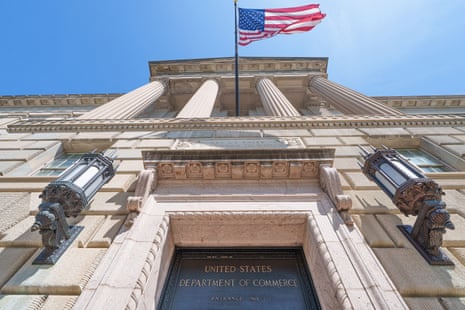
The Center for AI Standards and Innovation (CAISI), an integral part of the US Department of Commerce, formally announced these groundbreaking agreements on Tuesday. The initiative underscores the federal government's commitment to understanding the true capabilities and potential vulnerabilities of next-generation AI technology while simultaneously safeguarding American interests. By establishing this review framework, the Department of Commerce aims to ensure that powerful new models undergo rigorous security testing before deployment, allowing policymakers and security experts to identify and address potential risks before they impact millions of users.
At the heart of these agreements lies a focused examination of specific threat categories that pose the greatest concern to national security officials. The national security testing process will concentrate on identifying potential cybersecurity vulnerabilities that could be exploited by malicious actors, biosecurity risks related to the development of biological weapons or pathogens, and chemical weapons threats that could arise from misuse of AI systems. These three domains represent the most pressing national security concerns identified by intelligence agencies and defense experts, reflecting years of analysis about how advanced AI capabilities could potentially be weaponized or abused.
The timing of these agreements is particularly significant given the accelerating pace of AI development and the competitive pressures driving innovation in this sector. Major technology companies have been racing to develop increasingly powerful language models and generative AI systems, often with limited external oversight regarding their security implications. By establishing formal channels for pre-release review, the Department of Commerce has created a mechanism to inject federal expertise and security considerations into the development pipeline without unnecessarily slowing technological progress. This balanced approach aims to protect national interests while respecting the innovation ecosystem that has made American companies global leaders in AI development.
According to the official announcement from CAISI, these collaborations represent essential work "in the public interest at a critical moment" for the technology sector and national security landscape. The agency emphasized that understanding the full range of capabilities of new and powerful AI models is foundational to protecting American security interests, critical infrastructure, and citizens' safety. As frontier AI systems become increasingly sophisticated and capable, the potential consequences of their misuse escalate proportionally, making proactive security measures more important than ever before.
The agreements with these three major AI developers represent a substantial commitment from the private sector to cooperate with federal authorities. Microsoft, which has invested heavily in OpenAI and developed its own advanced AI capabilities, brings decades of experience managing enterprise-scale technology deployments and security protocols. Google DeepMind, widely recognized as one of the world's leading AI research laboratories, contributes unparalleled expertise in developing sophisticated machine learning systems and understanding their potential capabilities and limitations. xAI, founded by Elon Musk and focused on developing advanced reasoning systems, adds another perspective from a newer but ambitious player in the AI development space.
This collaborative framework addresses a longstanding challenge in AI governance: how to balance the need for security oversight with the necessity of maintaining a competitive, innovative technology sector. Policymakers have struggled to develop regulatory approaches that don't inadvertently stifle beneficial innovation or push development activities overseas to jurisdictions with less stringent oversight. By establishing voluntary agreements with leading companies rather than imposing mandatory regulations, the federal government has found a pragmatic middle ground that encourages cooperation while maintaining America's technological leadership.
The review process outlined in these agreements will likely establish important precedents for how AI safety and security testing can be conducted at scale. As these companies continue developing increasingly capable systems, the insights gained from the security reviews will inform the government's understanding of emerging risks and help shape future policy decisions. The data and findings generated through this process may ultimately influence how federal agencies approach AI regulation, oversight, and investment decisions in the coming years.
The announcement also reflects growing recognition among government officials that effective AI governance requires sustained engagement with the companies at the forefront of AI development. Rather than relying solely on retrospective analysis of systems already in the wild, this proactive approach allows security experts to identify and address problems during the development phase, when interventions are often most effective. This shift toward collaborative, forward-looking oversight represents a maturation of the government's approach to emerging technology governance.
Looking forward, these agreements may serve as a template for expanded government-industry cooperation on AI safety and security issues. As more companies enter the advanced AI market and capabilities continue to advance rapidly, similar arrangements could be extended to other developers, creating a broader ecosystem of coordinated security reviews. The success or failure of this initial effort will likely influence whether voluntary cooperation models remain viable or whether more formal regulatory structures become necessary to ensure adequate oversight of frontier AI systems.
The Department of Commerce's announcement reflects the Biden administration's broader commitment to ensuring that the United States maintains both technological leadership and effective oversight of critical emerging technologies. By securing these agreements without resorting to heavy-handed regulation, federal agencies have demonstrated that cooperative approaches can effectively address legitimate security concerns while preserving the innovation incentives that have made the American tech sector globally competitive. As AI technology continues to advance at an unprecedented pace, maintaining this balance between innovation and security oversight will remain one of the most important challenges for policymakers and industry leaders alike.
Source: The Guardian


