
US Service Members Missing During Morocco Military Exercises

Two American service members have gone missing in south-western Morocco during multinational African Lion military exercises. Search and rescue operations are underway.
A search and rescue operation has been launched following the disappearance of two United States service members in south-western Morocco. The incident occurred during participation in the annual multinational African Lion military exercises, according to an official announcement from the United States Africa Command (Africom) on Sunday. The missing personnel were last reported in the vicinity of Tan Tan, a significant city located in the south-western region of the North African nation.
The US Africa Command confirmed the development through official channels, noting that the disappearance prompted immediate action from military authorities. The timing of the incident, occurring during active military operations, raised concerns about the circumstances surrounding the missing service members. Initial reports suggested that the individuals had become separated during the course of military training activities associated with the exercise.
In response to the situation, a coordinated multinational search and rescue effort was mobilized involving military personnel from multiple nations participating in the African Lion exercise. The United States military, alongside Moroccan armed forces and other international partners engaged in the training operation, deployed resources to locate the missing personnel. This collaborative approach reflected the interconnected nature of the exercise and the shared commitment to locating the service members.
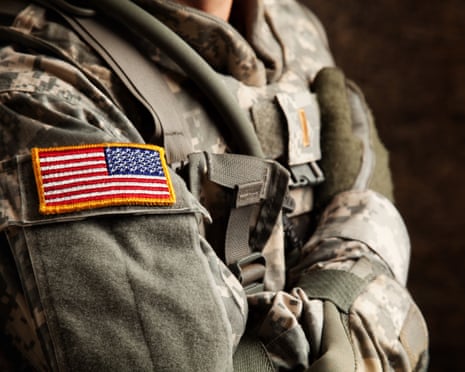
The African Lion military exercise represents one of the most significant annual multinational training operations conducted across the African continent. The exercise brings together armed forces from the United States, Morocco, and numerous other nations to conduct coordinated military training and enhance interoperability among participating forces. These exercises are designed to strengthen military capabilities, foster international cooperation, and maintain regional security and stability in North Africa and surrounding areas.
Morocco, strategically located at the intersection of Europe and Africa, serves as an important venue for such military operations. The country's diverse terrain, ranging from coastal regions to desert landscapes, provides realistic training environments for military units. The facilities and geographic features of south-western Morocco near Tan Tan have historically made the region suitable for large-scale military exercises involving ground, air, and support operations.
The disappearance of service members during military exercises, while uncommon, does occur and typically triggers immediate response protocols. Military rescue operations in remote or challenging terrain require specialized equipment, trained personnel, and sustained effort over extended periods. Search teams generally operate around the clock, utilizing various search methods including ground sweeps, aerial reconnaissance, and coordination with local authorities who possess knowledge of the local landscape.
The African Lion exercise has been conducted annually for many years, with rotating locations and participating nations. These exercises serve multiple purposes within the strategic framework of United States military engagement in Africa. They demonstrate American commitment to regional security partnerships, enhance the professional capabilities of participating militaries, and provide valuable training opportunities for personnel from various nations and military branches.
The involvement of multiple nations in the search and rescue operation underscored the international nature of the military exercises and the relationships forged through regular training activities. Such cooperation in times of crisis demonstrates the effectiveness of the multinational framework established through routine military cooperation and joint training operations. The coordinated response reflected established protocols and pre-existing relationships among the participating militaries.
Details regarding the specific circumstances of the disappearance, the exact location where the service members were last seen, and the scope of the search operation remained under investigation. Military authorities typically exercise caution in releasing detailed information about ongoing search and rescue operations to protect operational security and avoid compromising efforts to locate missing personnel. Official updates from Africom and other military commands would provide the most current and accurate information about the situation as it developed.
The United States Africa Command maintains a significant presence across the African continent, overseeing military operations, training missions, and security partnerships with numerous African nations. Africom coordinates military activities, provides support to partner nations, and ensures the readiness of American military forces deployed in the region. The command serves as the primary interface between United States military leadership and African partner nations on security matters.
Family members of the missing service members would typically be notified through official military channels before public announcements were made. Military regulations establish protocols for communicating with next of kin during emergencies and missing person situations. The wellbeing and information management for families of missing personnel represents an important aspect of military operations and crisis response procedures.
As the search and rescue operation continued, attention would focus on gathering intelligence, coordinating resources, and maintaining hope for a positive outcome. Military search operations have resulted in successful rescues even after extended periods of searching in challenging environments. The commitment of multinational forces to the operation reflected the shared values and mutual support that characterize relationships among participating nations in military exercises and training partnerships.
Source: The Guardian


