
US Set to Revoke Passports Over Child Support Debt

The US government plans to revoke passports of parents owing over $2,500 in child support. Learn how this enforcement measure affects millions of delinquent parents.
The United States government has announced a significant enforcement initiative targeting parents with substantial child support debt, marking an escalation in efforts to collect unpaid financial obligations to children. Under the new regulatory framework, individuals who have accumulated outstanding child support payments exceeding $2,500 (approximately €1,844) face the prospect of having their passports revoked or denied renewal. This sweeping policy represents one of the most aggressive collection tactics employed by federal authorities in recent years.
The implementation of this passport revocation program stems from longstanding concerns about the billions of dollars in unpaid child support across the nation. Federal officials argue that the policy serves as a critical enforcement mechanism to ensure parents meet their financial obligations to their children. The threshold of $2,500 has been carefully calibrated to target those with the most significant arrearages while allowing flexibility for those managing smaller payment disputes or temporary hardship situations.
This measure operates under the authority granted to the Department of State to deny or revoke passports for individuals with substantial child support arrearages. The process involves coordination between state child support enforcement agencies and federal authorities to identify qualifying individuals. Once identified, the State Department receives notification and takes appropriate action to prevent passport issuance or renewal for affected debtors.
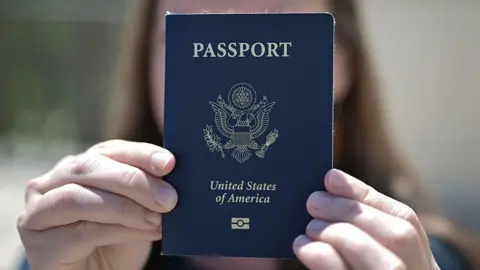
Legal experts note that this enforcement strategy has been contemplated for many years, with various incarnations appearing in federal legislation dating back decades. However, the current implementation represents a more streamlined and systematic approach than previous attempts. The policy aligns with broader government initiatives aimed at strengthening child support collection mechanisms across state lines and federal jurisdictions, particularly for cases involving interstate disputes.
The implications of this policy extend far beyond simple travel restrictions. Parents subject to passport denial may find themselves unable to conduct international business, visit family members abroad, or pursue employment opportunities requiring international mobility. For those in professions dependent on international travel—such as pilots, shipping industry workers, or international business professionals—the consequences could be particularly severe and career-threatening.
Child support enforcement agencies have emphasized that the policy includes provisions for hardship cases and exceptional circumstances. Individuals who demonstrate genuine financial hardship or who are making good-faith efforts to satisfy their child support obligations may request waivers or deferrals of passport restrictions. The process involves submitting documentation and working with state enforcement agencies to establish modified payment plans or seek temporary relief.
The financial landscape surrounding unpaid child support in the United States is sobering. According to federal data, tens of billions of dollars in child support arrears accumulate annually across the country, with millions of children missing out on critical financial support. This initiative represents an attempt to convert that staggering debt into actual payments to children and custodial parents who depend on this income for basic necessities.
State-level child support enforcement agencies have been mobilizing resources to implement this federal directive. Each state maintains its own child support enforcement office responsible for collecting payments, locating non-paying parents, and coordinating with federal authorities. The integration of passport revocation into this existing infrastructure required significant interagency coordination and the establishment of new data-sharing protocols between state and federal systems.
Opposition to the policy has emerged from various quarters, with civil liberties advocates expressing concerns about due process protections and the disproportionate impact on vulnerable populations. Critics argue that passport revocation may inadvertently harm individuals attempting to escape poverty through international employment opportunities. Additionally, some parents contend that rigid debt thresholds fail to account for individual circumstances, employment situations, or legitimate disputes over support calculations.
Supporters of the initiative counter that child support represents a legal obligation, not discretionary spending, and that significant delinquency justifies strong enforcement measures. They emphasize that children should not suffer deprivation due to a parent's failure to meet court-ordered financial responsibilities. Furthermore, proponents argue that the threat of passport restrictions may incentivize compliance among those who have the financial means to pay but choose not to do so.
The policy raises interesting questions about constitutional authority and the appropriate balance between debt collection enforcement and individual rights. Legal scholars have debated whether passport restrictions constitute excessive punishment or whether they represent a reasonable condition on a privilege rather than a right. Courts have generally upheld the government's authority to deny or revoke passports for child support arrearages, though specific procedural protections remain subject to ongoing litigation and legislative refinement.
Implementation of this federal enforcement initiative will likely accelerate over coming months as state agencies develop protocols and identify qualifying individuals. Initial projections suggest that hundreds of thousands of individuals could potentially be affected, though the actual number depends on various factors including application rates, hardship claims, and individuals who bring their accounts current before enforcement actions begin.
Financial advisors have begun counseling clients with outstanding child support obligations to address their debts proactively before facing passport restrictions. Many recommend consulting with family law attorneys to explore options including payment plan modifications, temporary deferrals, or settlement negotiations. Taking initiative to resolve child support issues before federal enforcement actions commence can prevent the collateral consequences associated with passport revocation.
The broader context of this policy reflects evolving government approaches to debt collection and the increasing interconnection of various federal systems. Passport restrictions join other enforcement mechanisms including wage garnishment, tax refund interception, and professional license suspension as tools available to child support enforcement authorities. This multi-pronged approach aims to create comprehensive pressure for compliance across different aspects of debtors' lives and opportunities.
Moving forward, this policy will likely serve as a model for other types of debt collection initiatives at the federal level. The success or challenges encountered in implementing passport revocation for child support could influence future efforts to address other categories of substantial federal or state debts. As technology continues advancing and data-sharing between agencies becomes more sophisticated, such enforcement mechanisms are likely to become increasingly difficult to avoid for those with significant outstanding obligations.
Source: BBC News


