
US Threatens Shipping Firms Over Iran Toll Payments

The US warns shipping companies against paying Iran tolls as tensions escalate. Trump dismisses Iran's peace proposal, signaling hardline stance on sanctions.
The United States has issued a stern warning to international shipping firms, threatening severe sanctions against any company that pays tolls or fees to Iran in exchange for safe passage through the Persian Gulf and surrounding waterways. This escalation comes amid heightened geopolitical tensions and represents a significant tightening of Washington's enforcement of its economic pressure campaign against the Iranian government.
The warning represents a critical development in the ongoing confrontation between the Trump administration and Iran, signaling that the US government is prepared to use its substantial economic leverage to enforce compliance with its sanctions regime. Shipping companies operating in one of the world's most critical maritime corridors face an impossible choice: comply with Iranian authorities' demands for transit fees or face potentially devastating penalties from American authorities.
The timing of this announcement coincides with President Donald Trump's dismissal of Iran's latest diplomatic overture. Trump stated publicly that he was "not excited" about Iran's recent proposal for a comprehensive peace deal, effectively signaling that the administration has little interest in negotiations at this juncture. This statement underscores the hardline approach that has characterized Trump's approach to Iranian policy.
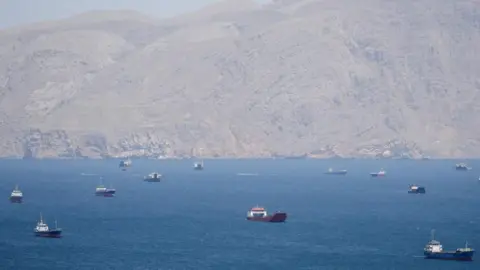
The sanctions threat against maritime operators reflects a broader strategy to economically isolate Iran and limit its ability to generate revenue from its strategic geographic position. The Persian Gulf remains one of the world's most economically vital shipping lanes, with millions of barrels of oil and countless containers of goods passing through its waters daily. By targeting shipping companies that pay Iranian tolls, the administration seeks to deny Tehran a significant source of foreign currency.
Multiple shipping industry sources have confirmed receiving formal notifications from US government agencies regarding the sanctions policy. Companies operating tankers, container vessels, and bulk carriers have been placed on notice that any payment to Iran in exchange for passage guarantees or protection will result in immediate designation as entities subject to US sanctions. This designation typically results in the freezing of assets held in American financial institutions and exclusion from the US banking system.
The practical implications of this policy are profound and far-reaching. Shipping companies must now navigate a treacherous diplomatic and economic minefield, attempting to protect their vessels and crews while simultaneously avoiding violations of US law. Some maritime operators have begun rerouting vessels around the Persian Gulf entirely, adding significant costs and time to their voyages through alternate routes around Africa and across the Indian Ocean.
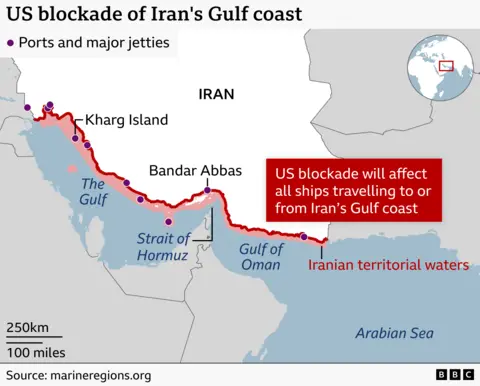
Iran has long utilized its geographic position to generate revenue by offering protection services and toll arrangements for ships traversing its territorial waters and the broader Persian Gulf region. These arrangements have historically been accepted as a normal cost of doing business in one of the world's most strategically important maritime zones. However, the Trump administration views these arrangements as illicit payments that circumvent legitimate economic sanctions.
The administration's policy reflects a fundamental disagreement with Iran over the nature and legitimacy of its claims to regulate maritime traffic in the Persian Gulf. While Iran argues it has legitimate authority over vessels in its territorial waters and the right to collect fees for navigation services, the United States contends that Iran is using its geographic position to extract illegal payments from international commerce.
President Trump's rejection of Iran's peace proposal signals that diplomatic engagement remains unlikely in the near term. The Iranian government had presented what it characterized as a comprehensive framework for resolving outstanding disputes with the United States, but Trump's dismissal of the proposal indicates the administration believes the Iranian offer lacks sufficient concessions or does not adequately address US concerns regarding Iran's regional activities and nuclear program.
The shipping industry has expressed deep concern about the escalating situation. Trade groups representing maritime operators have warned that the policy creates untenable conditions for legitimate commercial activity and threatens to destabilize global trade patterns. International shipping organizations have called for dialogue between the US and Iran to resolve the underlying disputes through negotiation rather than economic coercion.
Several major shipping companies have already begun adjusting their operational strategies to comply with the US warning. Some firms have established internal compliance procedures to prevent any payments to Iranian entities, while others have ceased operations in the Persian Gulf region entirely. Insurance companies providing coverage for maritime operations have also begun adjusting their policies and premium structures to account for the enhanced political risk.
The broader geopolitical context remains critical to understanding this escalation. The Trump administration has consistently adopted a confrontational stance toward Iran, withdrawing from the Joint Comprehensive Plan of Action nuclear agreement and implementing successive rounds of comprehensive economic sanctions. The Iran sanctions policy extends across multiple sectors of the Iranian economy, including oil exports, banking, aviation, and maritime commerce.
Environmental and economic observers have noted that the rerouting of vessels away from the Persian Gulf has significant implications for global supply chains and carbon emissions. Ships forced to take longer alternate routes consume additional fuel, increasing operational costs and environmental impact. This unintended consequence of the sanctions policy has drawn criticism from environmental advocates and shipping industry stakeholders.
Looking forward, the situation remains highly fluid and subject to rapid change. Any escalation in tensions between the US and Iran, whether through military action or further economic measures, could dramatically affect maritime operations throughout the region. Conversely, any diplomatic breakthrough could quickly alter the current standoff, though Trump's recent statements suggest such a breakthrough appears unlikely in the immediate future.
The shipping industry continues to seek clarity regarding the precise scope and enforcement mechanisms of the US warning. Trade associations have formally requested detailed guidance from Treasury Department officials regarding which specific payments would trigger sanctions and what measures companies should implement to achieve compliance. The absence of clear regulatory guidance has created significant uncertainty across the maritime sector.
Ultimately, the US threat of sanctions against shipping firms paying Iranian tolls represents a significant intensification of economic pressure against Iran and demonstrates the Trump administration's willingness to extend sanctions enforcement to third-party companies engaged in commerce with Iran. The policy reflects a broader strategy of maximum pressure designed to constrain Iran's economic capabilities and force Iranian leadership toward accepting US demands regarding nuclear policy and regional conduct.
Source: BBC News


