
USMNT World Cup Squad: Pochettino's 26 Picks

Mauricio Pochettino faces crucial World Cup squad selection after testing 61 players in 24 games. Discover how his tactical decisions will shape the USMNT roster.
In precisely two weeks, Mauricio Pochettino will make one of the most pivotal decisions in recent USMNT history, announcing the 26-player World Cup squad that will represent the United States on soccer's grandest stage. The magnitude of this selection process cannot be overstated, as every choice will carry implications for the team's performance, player careers, and the national program's trajectory heading into the summer tournament.
The challenge facing the USMNT head coach appears even more daunting when examining the scope of his player evaluation process. Throughout his 24 matches commanding the national team, Pochettino has given opportunities to 61 different players, a remarkably high number that underscores both his commitment to thorough assessment and the competitive depth within the American player pool. This extensive rotation has provided valuable data, yet simultaneously complicates the narrative around which players represent the team's future.
What stands out most prominently in Pochettino's tenure is the absence of a clearly defined core group of untouchable players. Unlike some national teams that rely on a stable of established stars, the USMNT's recent performances have yielded relatively little evidence of a crystallized nucleus around which the team's identity revolves. This ambiguity creates both opportunity and uncertainty as the World Cup approaches.

The tactical approach employed during these 24 games has been instrumental in identifying potential squad members. Pochettino's willingness to experiment with different formations, player combinations, and strategic frameworks has allowed him to evaluate talent across various scenarios and roles. Each match has functioned as a laboratory of sorts, where theoretical capabilities meet practical execution under competitive pressure.
Among the 61 players tested, several patterns have begun to emerge that could prove decisive in the final selection. Consistency of performance, resilience in pressure situations, and adaptability to multiple tactical systems appear to have become important metrics in Pochettino's evaluation framework. Some players have impressed through their versatility and willingness to fulfill different positional requirements, while others have demonstrated excellence in specific roles.
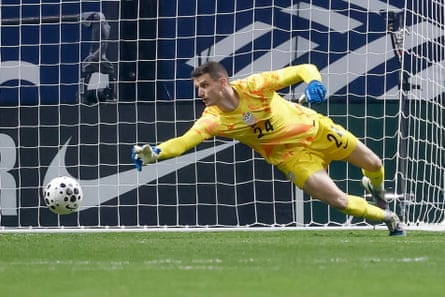
The goalkeeper position represents one area where relative clarity may exist. The traditional battle between established veterans and emerging talent has played out repeatedly during qualifying, with specific performances under scrutiny. Pochettino's experimentation here has been less frequent than in other positions, suggesting some convergence toward preferred options.
At the defensive line, complexity multiplies considerably. The depth at defender across American clubs and European leagues has grown substantially, yet consistency remains elusive. Pochettino has rotated extensively through combinations, testing different pairing arrangements and exploring whether younger prospects can match the experience of established international performers. This position group will likely see interesting battles right up until final squad announcements.
The midfielder selections present perhaps the most consequential decisions. The midfield is where USMNT World Cup success often hinges, as these players bridge defensive organization and attacking fluidity. Pochettino's evaluations here have been particularly thorough, with numerous candidates competing for limited roster spots. The balance between defensive solidity, creative playmaking, and physical presence will heavily influence which midfielders ultimately make the trip.
Forward positioning introduces its own distinct considerations. American soccer traditionally emphasizes athleticism and pressing intensity from attacking players, but Pochettino's tactical system may require different qualities from these positions. Technical proficiency, movement off the ball, and finishing acuity have all apparently factored into his assessment of which attacking players merit inclusion.
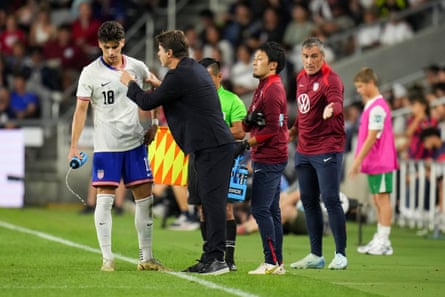
The emerging trends from Pochettino's 24 games suggest that player form and consistency will ultimately prove decisive. Those who have demonstrated reliability across multiple appearances, regardless of the specific circumstances, likely find themselves in stronger positions than those who showed flashes of brilliance in isolated matches. This emphasis on sustained performance rather than individual moments may disadvantage some talented but inconsistent players.
Age representation within the squad will also reflect Pochettino's strategic thinking about the team's present and future. The balance between experienced players who provide stability and younger talents who offer long-term potential represents a classic consideration in World Cup squad construction. Early indicators suggest the coach may lean toward a mix that acknowledges the importance of both veteran leadership and youthful enthusiasm.
Club form and current playing time have emerged as practical constraints on selection. Players enjoying regular minutes at their European or domestic clubs present different narratives than those fighting for appearances. This reality has naturally influenced which players have remained in the frame as the selection date approaches.
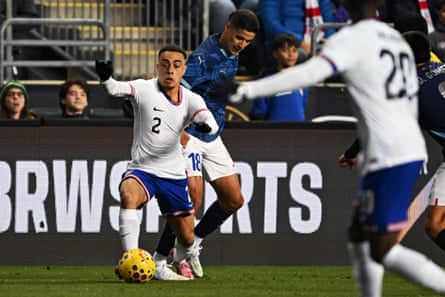
The chemistry and compatibility between selected players represents another dimension of Pochettino's deliberations. Players who have trained together frequently and demonstrated understanding on the pitch hold advantages over those with limited prior interaction. The coach's experimentation has allowed him to observe which combinations produce cohesion and which require additional development.
Leadership qualities and character within the team environment have almost certainly influenced assessments. Beyond raw technical ability, Pochettino likely considers how each player contributes to squad morale, communication, and collective purpose. These intangible factors, while difficult to quantify, significantly impact tournament performance.
As the two-week countdown proceeds toward the official announcement, anticipation will build regarding Pochettino's final 26 selections. The extensive player evaluation period has provided him with comprehensive data, yet the decision remains complex and consequential. Some players will celebrate selection, others will face disappointment, and the USMNT World Cup journey will be defined by how effectively these chosen representatives perform when the tournament begins.
The squad announcement will reveal not only Pochettino's preferred players but also his strategic vision for achieving competitive success at this summer's World Cup. Every selection communicates something about his tactical priorities, his assessment of American soccer's strengths and weaknesses, and his confidence in particular individuals to deliver when stakes are highest. The 26 players chosen will carry the hopes of an entire nation through a tournament where marginal differences often determine ultimate success or failure.
Source: The Guardian


