
Utah Approves Massive AI Datacenter Amid Power Crisis

Utah approves sprawling 40,000-acre AI datacenter requiring more power than entire state uses, sparking environmental and water shortage concerns.
A monumental artificial intelligence datacenter project in Utah has ignited fierce opposition from residents, environmental advocates, and local officials who worry about its staggering energy demands and environmental consequences. The Stratos facility, approved by state regulators despite widespread criticism, represents one of the world's most ambitious computing infrastructure undertakings and has become a focal point for debates surrounding the explosive growth of AI technology and its toll on natural resources.
The massive datacenter will span more than 40,000 acres across three distinct locations in Box Elder County in northwestern Utah. To put the scale in perspective, this footprint is more than double the size of Manhattan, making it a truly unprecedented development project for the region. The sheer geographic expanse reflects the enormous computational power required to support advanced artificial intelligence systems and their constant operational demands.
Energy consumption represents perhaps the most alarming aspect of the facility's design. The Stratos project is expected to require approximately 9 gigawatts of electrical power during full operation—a staggering figure that exceeds the entire state's current power consumption. This reality has raised serious questions about whether Utah's existing power infrastructure can support such demand, and whether additional generation capacity will need to be constructed. The implications for Utah's electrical grid are profound and have prompted warnings from energy experts about potential reliability and stability issues.
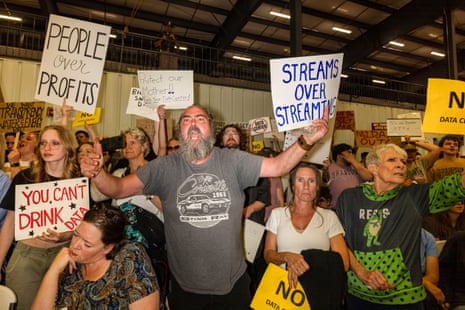
Water consumption compounds the facility's environmental footprint at a particularly precarious moment for the region. Utah water scarcity has reached critical levels in recent years, with severe drought conditions affecting agricultural operations, municipal supplies, and ecosystems throughout the state. The datacenter will require significant quantities of water for cooling systems and operational needs, placing additional strain on already depleted aquifers and surface water sources. This timing makes the project especially controversial, as water conservation has become an urgent priority across the western United States.
The backlash against the project has been considerable and multifaceted. Environmental organizations have condemned the approval as a reckless prioritization of corporate interests over public welfare and long-term sustainability. Local community members have expressed frustration that their voices and concerns were not adequately considered during the approval process. Agricultural interests in the region worry about reduced water availability for irrigation and livestock operations, which form the economic backbone of many rural Utah communities.
State officials who approved the project have defended their decision by emphasizing the economic benefits and job creation potential associated with the massive development. Supporters argue that hosting such a significant computing infrastructure will attract related industries, generate substantial tax revenue, and position Utah as a leader in the technology sector. They contend that the facility's operators have committed to implementing advanced efficiency measures and renewable energy integration to mitigate environmental impacts.

The approval process itself has drawn criticism from environmental advocates who argue that environmental impact assessments were insufficiently rigorous and failed to adequately address long-term consequences. Critics question whether mitigation measures proposed by the project developers are credible and enforceable, noting that similar large-scale industrial projects have frequently failed to meet environmental commitments after approval. Transparency concerns have also emerged, with some observers suggesting that the public review period was inadequate for understanding the project's true scope and implications.
This development reflects broader tensions between technological progress and environmental sustainability that increasingly define policy debates across the nation. As AI technology expansion accelerates, the infrastructure supporting these systems demands enormous resources. Major technology companies are competing aggressively to secure locations for massive datacenters, often negotiating favorable terms with state and local governments eager to capture economic benefits. Utah's approval of the Stratos project demonstrates how these competitive dynamics can lead to decisions that prioritize short-term gains over long-term environmental stewardship.
Water management experts have expressed particular alarm about the timing and location of this facility. Utah's commitment to interstate water-sharing agreements means that excessive consumption could affect neighboring states and potentially violate established legal frameworks governing water distribution across the Colorado River basin. Any significant increase in Utah's water usage could trigger disputes with other western states and complicate ongoing negotiations about water rights and allocation during this extended drought period.

The electricity supply challenge presents equally serious complications for state planners and utility operators. Utah power grid capacity would require substantial expansion to accommodate the datacenter's requirements. This would necessitate construction of additional generation facilities and transmission infrastructure, representing billions of dollars in capital investment. The question of who bears these infrastructure costs—whether taxpayers subsidize private corporate projects through public utility investments—remains contentious and unresolved.
Looking forward, the Stratos approval may establish a precedent that influences how other states respond to similar datacenter development proposals. Nevada, Wyoming, and other western states with available land and favorable business climates are also targets for massive computing infrastructure projects. The Utah case provides an important cautionary example of environmental and resource challenges that emerge when industrial-scale technology infrastructure concentrates in water-stressed regions.
Community organizers have indicated they will continue fighting the project through legal challenges and political advocacy, attempting to reduce its environmental footprint or potentially reverse the approval. Environmental groups plan to focus on enforcement of mitigation commitments and monitoring actual resource consumption once the facility becomes operational. The coming years will reveal whether the Stratos project can operate within reasonable environmental bounds or whether the predictions of environmental catastrophe prove accurate.


