
Utah Lawmakers Unite to Ban Prediction Markets

Utah's Republican leaders push back against prediction markets surge, citing religious and moral concerns in deeply conservative state.
Utah has long maintained one of the most stringent anti-gambling laws in the entire United States, with a cultural opposition to betting and wagering that stretches back well over a century. The state's unique demographic composition, with a substantial majority adhering to the Church of Jesus Christ of Latter-day Saints, has created a distinctive moral and social framework that firmly rejects gambling in all its forms. This deep-rooted stance has shaped state policy for generations, creating a protective barrier against the expansion of gaming industries that have flourished in neighboring states.
However, the landscape of gambling is rapidly evolving, and Utah is finding itself facing a new and unexpected challenge from prediction markets – innovative platforms that allow users to wager on outcomes ranging from political elections and sports competitions to major geopolitical events and market movements. These markets have experienced explosive growth in recent years, attracting millions of users and billions of dollars in trading volume. The surge has caught the attention of Utah's leadership, who worry that these sophisticated betting platforms represent a loophole in the state's existing gambling restrictions.
State Republican leaders are now mobilizing a coordinated effort to combat what they perceive as a growing threat to Utah's longstanding values. This legislative push represents a significant battle between one of America's most socially conservative states and a rapidly expanding industry that has gained surprising support from unexpected quarters. Most notably, the prediction markets industry enjoys backing from the current Republican administration in Washington, and has attracted investment and enthusiasm from members of the president's own family, creating an unusual political tension within conservative circles.
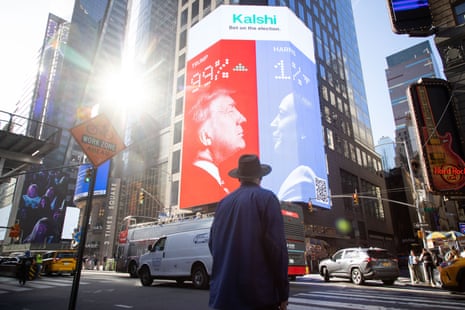
The timing of Utah's push against prediction market regulation is particularly significant given the national political climate. While the state has historically been a bastion of conservative values and Republican support, this issue has exposed fissures within conservative ideology between traditional social conservatism and free-market libertarianism. Utah lawmakers are finding themselves positioned against not just a new industry, but against members of their own political party who view prediction markets as legitimate financial instruments rather than gambling platforms.
The distinction between prediction markets and traditional gambling has become a crucial point of contention in the debate. Proponents of prediction markets argue that these platforms function as information aggregation tools that reflect the collective wisdom of market participants, similar to stock exchanges or commodity futures markets. They contend that allowing people to bet on uncertain outcomes provides valuable price signals and forecasting data that can inform decision-making across numerous sectors. This framing has proven persuasive to many policy makers and economists, regardless of political affiliation.
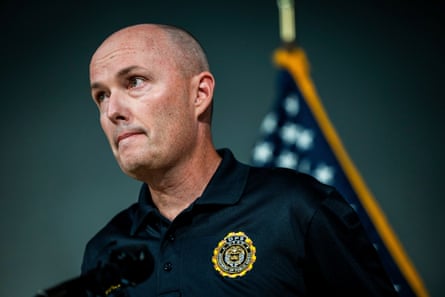
Conversely, Utah's religious and conservative leadership views these markets through a fundamentally different lens. From their perspective, the mechanism of operation is secondary to the fact that prediction markets are fundamentally enabling gambling behavior, which the state has worked diligently to prevent. The platforms allow individuals to place wagers on outcomes they cannot control, which critics argue violates the same moral and ethical principles that underpin Utah's broader gambling prohibitions.
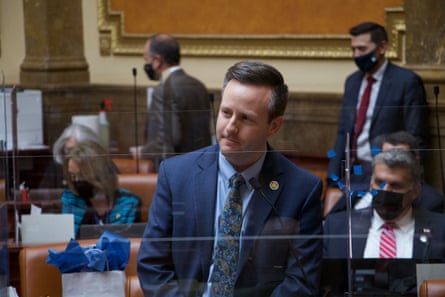
The Church of Jesus Christ of Latter-day Saints, which claims approximately 60 percent of Utah's population as members, has been explicit in its opposition to gambling of all varieties. The church's teachings emphasize personal financial responsibility and warn against activities that could lead to financial ruin or addiction. This religious foundation has provided moral authority and grassroots support for Utah's anti-gambling stance, and it continues to influence the state's legislative agenda. Many Utah lawmakers cite both their personal faith commitments and their responsibility to constituents when explaining their opposition to prediction markets.
Utah's approach to this issue may serve as a template for other states with strong religious or socially conservative populations. The state's unified legislative response suggests that there may be growing consensus among lawmakers that prediction market regulation is necessary to protect vulnerable populations from the risks of speculative betting. Several states have already begun examining their own legal frameworks to determine whether prediction markets fall under existing gambling prohibitions or whether new legislation would be required.
The federal regulatory landscape adds another layer of complexity to Utah's efforts. While states retain significant authority to regulate gambling within their borders, prediction markets operate on national and international platforms that make enforcement challenging. Some prediction market platforms claim that their operations comply with federal law and that they should not be subject to individual state prohibitions. This creates potential conflicts between state law enforcement and platform operators, particularly if federal authorities decline to support state-level enforcement efforts.
Utah's financial services industry has largely remained neutral on the prediction markets issue, neither strongly supporting nor opposing the legislative push. Some economists and business leaders argue that prediction markets could provide valuable benefits to the financial sector by offering new investment vehicles and risk management tools. However, others worry about the potential for market manipulation, fraud, and the concentration of betting on economically meaningless events that could destabilize markets.
The practical challenges of enforcing a prediction market ban in Utah should not be underestimated. Digital platforms operate across state lines, and individuals can access betting sites through virtual private networks or other technological means. This has led some observers to question whether legislation alone can effectively prevent Utah residents from participating in prediction markets if they are determined to do so. Nevertheless, lawmakers believe that clear legal prohibitions send an important message about the state's values and may deter casual participation.
Looking ahead, Utah's legislative battle over prediction markets will likely attract national attention from both supporters and critics of gambling regulation. The outcome could influence how other states approach similar issues and may even shape the trajectory of the prediction markets industry itself. If Utah successfully implements strict prohibitions and enforcement mechanisms, other states may follow suit, potentially fragmenting the market and complicating operations for prediction platform companies. Conversely, if the industry successfully challenges such restrictions in court or if federal authorities preempt state regulation, Utah's effort could prove to be symbolic rather than substantive.
The Utah lawmakers' united front against prediction markets demonstrates the enduring power of religious and cultural values in shaping state policy, even as broader American society embraces new financial technologies. Whether this effort ultimately succeeds or fails will provide important insights into the future of gambling regulation in an increasingly digital economy. Utah's experience will serve as a crucial case study for policymakers nationwide who are grappling with how to address prediction markets while respecting both innovation and community values.
Source: The Guardian


