
V&A Museum Recreates Original 2005 YouTube Experience

The Victoria and Albert Museum displays the first YouTube video and original watchpage from 2005, recreating the early internet experience using archives.
The Victoria and Albert Museum in London has unveiled a groundbreaking digital exhibition that transports visitors back to the dawn of the video-sharing era. The museum has successfully recreated the original YouTube experience from 2005, complete with the platform's very first uploaded video and the primitive watchpage interface that would eventually revolutionize how the world consumes digital content.
This remarkable digital archaeology project showcases the humble beginnings of what would become one of the world's most influential platforms. The exhibition presents visitors with an authentic recreation of YouTube's original user interface, demonstrating how dramatically different the platform appeared during its nascent stages compared to today's sophisticated design.
The centerpiece of the display features the legendary first YouTube video titled "Me at the zoo," uploaded by co-founder Jawed Karim on April 23, 2005. This 18-second clip, filmed at the San Diego Zoo, represents a pivotal moment in internet history when user-generated content began its transformation from a niche concept to a global phenomenon that would reshape entertainment, education, and communication.
Curators at the V&A Museum worked extensively with internet archives and digital preservation specialists to ensure historical accuracy in their recreation. The project required meticulous research into web design standards, browser capabilities, and user interface conventions that were prevalent during the mid-2000s internet landscape.
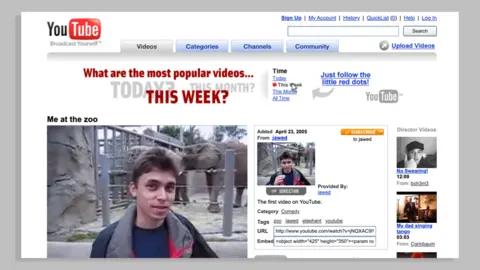
The exhibition explores the broader context of early internet culture and the technological limitations that shaped the original YouTube experience. Visitors can observe how the platform's initial design reflected the constraints of slower internet connections, limited server capacity, and the emerging standards of web-based video streaming technology.
The original watchpage interface displayed in the exhibition reveals YouTube's minimalist approach during its startup phase. The basic layout featured essential elements like the video player, simple navigation controls, and rudimentary commenting systems that would later evolve into the complex interactive features modern users take for granted.
Digital preservation experts emphasize the significance of this type of historical documentation. As internet platforms continuously update and redesign their interfaces, the original user experiences often disappear entirely, making projects like this crucial for understanding the evolution of digital media consumption and online behavior patterns.
The museum's recreation process involved analyzing archived web pages, recovering original HTML code, and reconstructing the visual elements that defined YouTube's early aesthetic. This painstaking work demonstrates the challenges facing digital historians as they attempt to preserve ephemeral online experiences for future generations.

The V&A's initiative reflects a growing recognition among cultural institutions that internet history deserves the same careful preservation and study traditionally reserved for physical artifacts. The exhibition positions early YouTube as a significant cultural milestone that fundamentally altered how society creates, shares, and consumes visual content.
Visitors to the exhibition can experience the slower loading times, basic functionality, and limited video quality that characterized the original platform. This immersive approach helps contemporary users appreciate both how far technology has advanced and the innovative spirit that drove YouTube's creators to launch their platform despite technical limitations.
The display also contextualizes YouTube's launch within the broader landscape of mid-2000s internet culture, when social media platforms were beginning to emerge and user-generated content was still a novel concept. The exhibition explores how YouTube's success paved the way for countless other platforms and fundamentally changed expectations about digital participation and creative expression.
Museum officials note that this recreation serves multiple purposes: preserving digital heritage, educating visitors about technological evolution, and demonstrating how seemingly simple innovations can have profound cultural impacts. The project underscores the importance of maintaining access to these foundational digital experiences as technology continues its rapid advancement.
The exhibition's technical achievement required collaboration between museum staff, web developers, and digital archivists who specialize in recovering and reconstructing historical internet content. Their work highlights the specialized skills and resources necessary for preserving digital culture in an era where online platforms constantly evolve and update their interfaces.
This presentation of YouTube's origins invites reflection on how dramatically video sharing platforms have transformed global communication, entertainment, and information dissemination. The stark contrast between the original simple interface and today's algorithm-driven, personalized viewing experiences illustrates the rapid pace of technological and cultural change in the digital age.
Source: BBC News


