
Valve Opens Steam Controller Design Files for DIY Enthusiasts

Valve releases complete design files for discontinued Steam Controller, enabling gamers to create and customize their own versions of the popular gamepad.
Valve has made a significant move in the gaming community by releasing comprehensive design files for its Steam Controller, allowing dedicated fans and makers to create their own versions of the innovative gamepad. This decision comes as the original Steam Controller remains out of stock across most retail channels, leaving many gamers eager for alternatives or replacements. By open-sourcing these design specifications, Valve is empowering the maker community to build custom controllers tailored to their specific gaming needs and preferences.
The Steam Controller design files include detailed technical documentation, 3D models, and hardware specifications that enthusiasts need to manufacture their own versions of the device. This move represents a thoughtful approach to a product that achieved cult status among PC gamers despite its unconventional layout featuring dual trackpads instead of traditional analog sticks. Valve's decision to provide these materials demonstrates the company's commitment to supporting its user base even when official manufacturing has ceased, fostering innovation within the gaming accessory ecosystem.
For years, the Steam Controller captured the imagination of PC gamers seeking a versatile input device that could bridge the gap between traditional mouse-and-keyboard setups and console-style gamepads. The controller's unique design offered customizable controls, programmable buttons, and haptic feedback that appealed to both casual players and hardcore enthusiasts. Now, with access to the original design specifications and manufacturing guidelines, talented makers and small manufacturers can continue the legacy of this beloved peripheral.
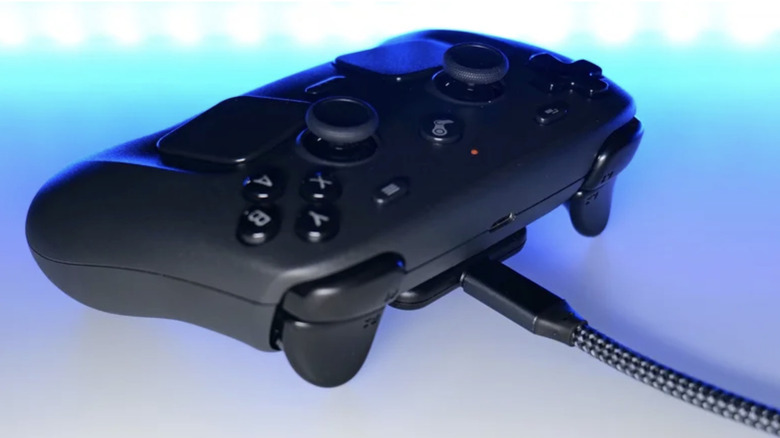
The release of these design files opens up tremendous possibilities for custom gamepad manufacturing and personalization. Community members with access to 3D printing technology, PCB manufacturing services, and electronics assembly equipment can now create bespoke controllers featuring custom aesthetics, ergonomic modifications, or specialized button layouts. This democratization of hardware design aligns with growing trends in the maker movement and DIY technology culture, where enthusiasts increasingly take control of their tools and devices rather than accepting manufacturer limitations.
Valve's decision also reflects broader industry conversations about product longevity, right to repair, and consumer empowerment. By releasing these gamepad design files publicly, the company ensures that users who invested in learning the Steam Controller's unique control scheme aren't left without options. Gamers who have grown accustomed to the controller's distinctive dual-trackpad interface can now source replacement units or create upgraded versions incorporating modern components and improvements.
The technical specifications provided cover essential components including the haptic feedback system, the pressure-sensitive trackpads, and the wireless connectivity modules that made the Steam Controller distinctive. Understanding these complex systems enables talented engineers to either replicate the original design faithfully or explore innovative variations that could enhance performance or accessibility. Some community members may focus on creating exact replicas, while others might experiment with hybrid designs combining the Steam Controller's unique features with elements from other popular gamepads.
The maker community response to this release has been overwhelmingly positive, with numerous projects already emerging from talented enthusiasts worldwide. Online forums and communities dedicated to hardware hacking are abuzz with discussions about optimal manufacturing approaches, cost reduction strategies, and potential improvements to the original design. Some makers are already planning limited production runs to serve demand from loyal Steam Controller fans, while others are pursuing fully customized versions with unique colorways, improved ergonomics, or additional features.
This move also presents interesting opportunities for small businesses and hobbyist manufacturers to create accessories and modifications for the custom Steam Controller market. Third-party developers can now design and produce replacement parts, protective cases, alternative joystick configurations, and specialized overlays that cater to specific gaming genres or accessibility requirements. The open-source nature of the design files encourages innovation across the entire accessory ecosystem surrounding the platform.
Valve's support for DIY manufacturing extends beyond just providing design files, as the company has also made available detailed assembly instructions and troubleshooting guides. These supplementary materials help less experienced makers understand the manufacturing process and avoid common mistakes during construction. Furthermore, the documentation includes information about sourcing components from various electronics suppliers, ensuring that makers can acquire the necessary parts without needing proprietary connections or exclusive vendor relationships.
The availability of Steam Controller open-source files also has implications for accessibility in gaming. People with disabilities or unique physical requirements can now work with makers and engineers to develop customized controllers that accommodate their specific needs. This could lead to innovative accessibility features that weren't present in the original design, ultimately expanding the potential user base for PC gaming and improving inclusivity across the industry.
Looking forward, Valve's decision to release these design files sets a compelling precedent for how major technology companies might approach discontinued products. Rather than simply letting popular devices fade away, companies could consider empowering communities to maintain and innovate upon their designs. This approach not only extends product lifespans but also builds stronger relationships with dedicated fan bases and demonstrates corporate commitment to user autonomy and innovation.
For those interested in pursuing their own custom gamepad projects, the design files represent a remarkable opportunity to create something truly personal and innovative. Whether gamers are motivated by nostalgia for the original Steam Controller, desire for customization, or interest in learning about hardware design, Valve's release of these comprehensive design specifications provides an invaluable foundation. The combination of official documentation and an enthusiastic maker community promises an exciting future for Steam Controller variants and inspired innovations in gaming peripheral design.
Source: Engadget


