
Valve's £85 Steam Controller Divides Gaming Community

Valve's new £85 Steam Controller is generating heated debate among gamers ahead of its May launch. Here's what you need to know about compatibility and features.
Valve has unveiled its latest gaming peripheral, the Steam Controller, priced at £85, and the announcement has sparked considerable discussion within the gaming community. Scheduled for launch in May, this new controller is designed to work seamlessly across multiple Valve platforms and represents a significant investment in the company's gaming ecosystem. The device aims to bridge the gap between traditional console gaming and PC gaming experiences, though early reactions suggest gamers remain divided on whether the premium price point justifies the features being offered.
The Steam Controller compatibility extends across a comprehensive range of devices, ensuring broad accessibility for Valve's user base. The controller will be fully compatible with personal computers running Steam, allowing PC gamers to enhance their gaming experience with Valve's latest peripheral technology. Additionally, the pad will work with the Steam Deck, Valve's handheld gaming console that has already gained significant traction in the portable gaming market since its release. This multi-platform approach demonstrates Valve's commitment to creating a unified ecosystem where players can enjoy consistent controller experiences across different devices.
Beyond existing platforms, the new controller will also support Valve's upcoming gaming PC, which represents an exciting development in the company's hardware strategy. This move suggests that Valve is planning to expand its presence in the dedicated gaming PC market, potentially positioning itself as a direct competitor to traditional gaming PC manufacturers. The inclusion of the new controller as a compatible device indicates that Valve is building a cohesive hardware and software experience that could reshape how consumers approach PC gaming in the coming years.
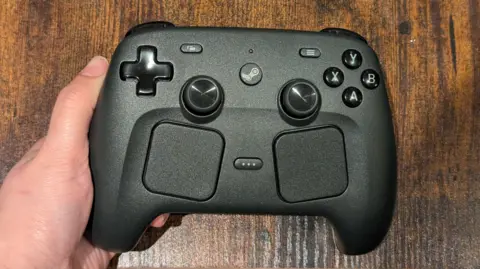
The gaming community's response to the £85 price point has been notably mixed, with various factions within the gaming world expressing different viewpoints. Some enthusiasts argue that the premium pricing reflects advanced technology and build quality, pointing to similar price tags on competing controllers from other manufacturers. Others question whether a gaming controller, regardless of features, justifies such a significant investment when budget-friendly alternatives exist. This division highlights the challenge facing Valve in positioning its new controller as a premium product in a market where consumer expectations around controller pricing have been shaped by years of competition and innovation.
Technical specifications and innovative features of the new Steam Controller remain a focal point of discussion among gaming journalists and industry analysts. Valve has a history of incorporating unique technologies into its gaming peripherals, and early indications suggest this latest iteration may follow suit. The controller's design philosophy reportedly balances traditional button layouts with modern input methods, attempting to appeal to both hardcore gamers and casual players. Understanding what specific innovations justify the premium price will be crucial in determining whether the device succeeds commercially upon its May release.
The timing of the launch presents both opportunities and challenges for Valve's ambitions in the gaming peripheral market. May represents a period when many gamers are actively seeking new equipment for summer gaming sessions, potentially driving initial sales. However, the company will face competition from established peripheral manufacturers who have well-developed distribution networks and brand loyalty among consumers. The success of this controller will largely depend on how effectively Valve markets its unique features and whether it can demonstrate clear advantages over competing options.
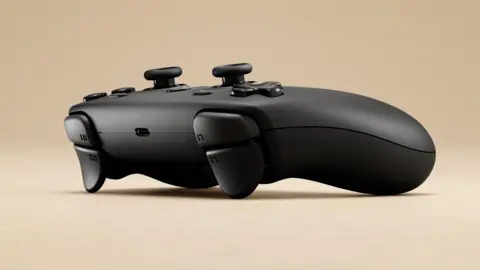
Industry observers have noted that Valve's approach to hardware development differs significantly from traditional manufacturers. Rather than relying solely on mainstream retail channels, Valve leverages its massive Steam platform to reach potential customers directly. The Steam Deck's success has demonstrated that gamers are willing to embrace Valve's hardware offerings when they perceive genuine value. This precedent may work in favor of the new controller, as users who already own Valve hardware may view it as a natural complement to their existing devices.
The controller's role in Valve's broader strategy extends beyond simple peripheral sales. By creating hardware that integrates tightly with its software ecosystem, Valve strengthens user loyalty and creates multiple touchpoints for engagement. Each device purchased increases the likelihood that customers will spend more time within the Steam environment, whether playing games, accessing content, or utilizing cloud features. This ecosystem approach represents a fundamental shift in how Valve approaches business strategy, moving beyond being primarily a software distributor to becoming a comprehensive gaming platform provider.
Prospective buyers will need to carefully evaluate their own gaming habits and preferences before making a purchasing decision about the new Steam Controller. Those with extensive PC gaming libraries, Steam Deck owners, and early adopters of Valve's upcoming gaming PC may find the investment worthwhile. Conversely, casual gamers or those primarily using consoles from other manufacturers might find more economical options better suited to their needs. The diversity of opinion within the gaming community suggests that Valve is targeting a specific audience segment rather than attempting to achieve universal market penetration.

The May launch date marks an important moment for Valve's hardware ambitions. Successfully introducing a premium-priced controller to a skeptical market requires careful execution in terms of supply chain management, marketing messaging, and post-launch support. Valve's track record with the Steam Deck suggests the company has learned valuable lessons about hardware production and customer service. Whether these lessons translate into a successful controller launch remains to be seen, but the anticipation within the gaming community is unmistakable.
As the launch date approaches, more details about the controller's specific features, customization options, and software integration will likely emerge. These additional revelations may sway undecided consumers in either direction, potentially expanding the appeal or reinforcing skepticism depending on what Valve reveals. The company has an opportunity to address concerns about the price point by thoroughly demonstrating the controller's capabilities and unique advantages. The gaming community will be watching closely to see whether Valve's latest hardware venture resonates with consumers or becomes another example of a premium product failing to achieve mainstream adoption in the competitive controller market.
Source: BBC News


