
Valve Steam Controller Review: Worth $100?

Is Valve's Steam Controller worth the price tag? Explore its unique design, features, and whether it justifies the $100 cost for PC gaming.
The gaming peripheral market has always been competitive, with manufacturers constantly vying for the attention of dedicated players willing to invest in premium equipment. When Valve introduced the Steam Controller at a $100 price point, it sparked considerable debate within the gaming community about whether this unconventional device could justify its premium positioning. The fundamental question isn't simply whether the controller works, but rather whether its distinctive design philosophy and feature set merit the substantial investment for PC gamers seeking an enhanced gaming experience.
At its core, the Steam Controller represents a deliberate departure from traditional gamepad conventions that have dominated the market for decades. Rather than attempting to replicate the dual-stick layout found on console controllers, Valve opted for a radically different approach that prioritizes precision and customization above familiarity. This design choice immediately positioned the device as something distinct from mainstream alternatives, sparking passionate discussions about whether innovation justifies the price premium or if the company had simply created a solution in search of a problem.
The controller's most distinctive feature is its dual trackpads, which replace the traditional analog sticks found on competitors' devices. These capacitive touchpads offer haptic feedback and can be customized extensively through Valve's Steam software, allowing users to fine-tune responsiveness and sensitivity for virtually any game in their library. This level of customization potential is genuinely impressive, offering a flexibility that traditional controllers simply cannot match. However, this same versatility can feel overwhelming to casual users who simply want to pick up a controller and start playing without extensive configuration.
For those considering the $100 investment, understanding what makes the Steam Controller fundamentally different from conventional gaming peripherals is essential. The device was specifically engineered to bridge the gap between traditional mouse-and-keyboard gaming and console-style controller gameplay, particularly for titles originally designed with keyboard controls in mind. This niche positioning is crucial to understanding both its strengths and limitations in the broader gaming ecosystem.
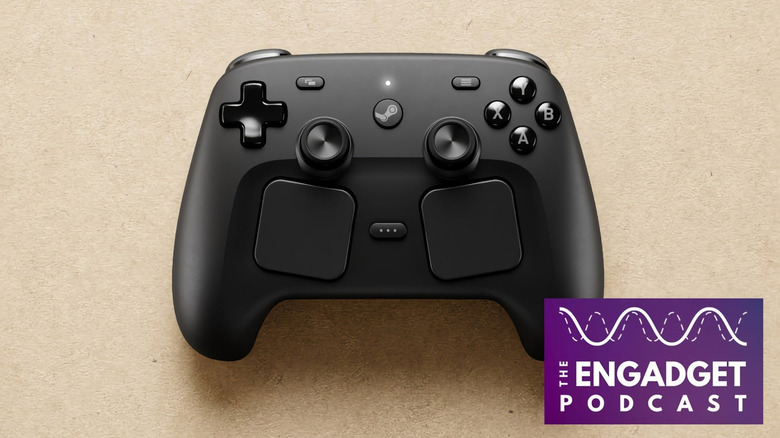
The haptic feedback system built into the Steam Controller deserves particular attention when evaluating its value proposition. Rather than using traditional vibration motors like standard controllers, Valve implemented sophisticated haptic technology that can simulate various sensations and feedback patterns. This allows developers and the community to create nuanced tactile experiences that enhance immersion in ways that conventional rumble cannot achieve. The potential for this technology to revolutionize how games communicate with players is substantial, though adoption by game developers has been slower than some early enthusiasts anticipated.
Examining the Steam Controller pricing requires context about what you're actually purchasing beyond the hardware itself. The device comes with access to an extensive library of community-created configuration profiles for thousands of games through Valve's Steam platform. These pre-made settings eliminate the need for extensive personal configuration for most users, effectively transforming the controller from a complex customization device into a plug-and-play solution with intelligent game-specific adaptations. This community-driven library is genuinely valuable and represents months of collective optimization work by passionate enthusiasts.
One critical consideration for potential buyers is the controller's learning curve and initial setup requirements. Unlike traditional controllers that you can pick up and use immediately, the Steam Controller typically requires some adjustment period as users acclimate to the trackpad-based control scheme. This adaptation period isn't prohibitively long, but it does represent an additional investment of time and patience beyond simply purchasing the hardware. For gamers who value immediate gratification and minimal setup, this characteristic might be a significant drawback worth considering.
The question of whether the $100 price tag is justified ultimately depends on your gaming preferences and priorities. For players who primarily enjoy games designed for mouse-and-keyboard input—strategy games, first-person shooters, and complex simulation titles—the Steam Controller offers genuine advantages over traditional gamepad-based approaches. The dual trackpads provide superior precision for aiming and menu navigation compared to analog sticks, while the extensive customization options ensure you can tailor the experience to your specific preferences and playstyle.
Conversely, if your gaming library consists primarily of titles designed specifically for traditional controllers—sports games, fighting games, and modern console ports—the Steam Controller may feel unnecessarily complex and expensive for your needs. Standard controllers from companies like Microsoft and Sony are often available at lower price points and provide immediately familiar control schemes that require no learning period. For these use cases, a conventional controller might represent better value.
The build quality and durability of the Steam Controller have generally received positive feedback from long-term users who have put significant hours into testing the device. The materials feel premium, and reports of hardware failures are relatively uncommon compared to some competing products. This durability factor should be factored into the cost-per-hour calculation when determining overall value, as a device that lasts several years of heavy use represents a smaller yearly investment than one requiring frequent replacement.
Software support and ongoing development represent another consideration in evaluating the Steam Controller value. Valve has maintained consistent updates to the device's firmware and configuration software, ensuring compatibility with new games and introducing refinements based on user feedback. This long-term commitment to supporting the hardware suggests that your investment won't become obsolete as game libraries evolve, unlike some peripheral devices that fade into abandonment after initial release enthusiasm wanes.
Community engagement around the Steam Controller has created a vibrant ecosystem of configuration sharing, troubleshooting, and optimization. Online forums and Steam community pages contain thousands of community profiles, guides, and discussions dedicated to helping users maximize their experience with the device. This collective knowledge base effectively multiplies the value of your purchase by reducing the time required to discover optimal configurations and solutions to common challenges.
When evaluating the $100 asking price, it's worth considering comparable alternatives and what they offer. Traditional high-end gaming controllers typically range from $50-$80 and provide familiar functionality with minimal learning curve. Specialty controllers designed for specific game genres might cost $60-$120 and offer optimized features for those particular applications. In this context, the Steam Controller's pricing aligns with premium options in the market, though its unique positioning means it appeals to a somewhat different audience than conventional alternatives.
The ultimate verdict on whether the Steam Controller justifies its $100 price point depends on individual circumstances and gaming preferences. For dedicated PC gamers who appreciate innovation, value customization, and play a diverse library that includes strategy games, first-person shooters, and complex simulations, the investment is defensible and potentially rewarding. The device's unique design philosophy, comprehensive customization options, and strong community support create a compelling package for those willing to embrace its non-traditional approach to controller design.
Conversely, casual gamers, console-port enthusiasts, and those who prefer minimal setup requirements might find better value in traditional controllers that prioritize familiarity and simplicity. The $100 price tag represents a significant investment that should align with your gaming needs and preferences rather than following trends or recommendations that might not match your actual usage patterns. Taking time to honestly assess how the Steam Controller's unique characteristics fit your gaming lifestyle is essential before making the purchase decision.
Ultimately, the Steam Controller represents a bold attempt to reimagine how gamers interact with their PCs, and whether that $100 investment is worthwhile depends entirely on whether you're the type of gamer who values that innovation and is willing to spend time optimizing your experience. For the right person, it's an exceptional device; for others, it might feel like an unnecessary expense. By carefully considering your gaming habits, preferred genres, and tolerance for learning new control schemes, you can make an informed decision about whether this distinctive controller belongs in your gaming setup.
Source: Engadget


