
Vance Leads US Delegation to Pakistan for Iran Peace Talks

US Vice President JD Vance to head diplomatic mission to Islamabad with Trump envoys if Iran agrees to negotiations as ceasefire deadline approaches.
US Vice President JD Vance is preparing for a significant diplomatic journey to Islamabad, where he is expected to lead a high-level American delegation aimed at facilitating crucial peace negotiations between the United States and Iran. The trip, scheduled for Tuesday, represents a critical moment in ongoing Middle East diplomacy, particularly as the current ceasefire agreement approaches its deadline. This mission underscores the Trump administration's commitment to pursuing diplomatic channels rather than military escalation in an increasingly tense regional situation.
Vance will travel alongside two prominent figures from the Trump administration: Steve Witkoff, who serves as Donald Trump's special envoy for Middle East peace negotiations, and Jared Kushner, the president's son-in-law and senior advisor. The composition of this delegation signals the seriousness with which the administration views the negotiations, bringing together diplomatic expertise and direct presidential influence. Each member of the team brings distinct experience in international relations and conflict resolution, positioning them to navigate the complex dynamics between Washington and Tehran.
The proposed talks in Pakistan's capital city represent an important diplomatic venue, as the nation has positioned itself as a potential mediator in the escalating US-Iran tensions. Pakistan's geographic proximity to Iran and its established diplomatic channels make it a logical choice for hosting sensitive negotiations. However, the success of this mission depends heavily on Iran's willingness to participate in substantive talks about de-escalation and conflict resolution.
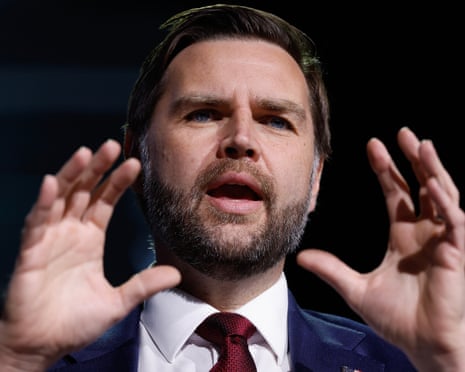
Despite the optimistic outlook for the delegation's departure, significant obstacles remain in the path toward meaningful dialogue. Iran's president issued a stark warning about what he described as a "deep historical mistrust" between the United States and Iran, highlighting the psychological and political barriers that continue to complicate negotiations. This statement reflects decades of contentious relations, including the 1979 Iranian Revolution, the hostage crisis, years of economic sanctions, and military confrontations in the Persian Gulf region.
The ceasefire deadline looming on the horizon adds considerable urgency to these diplomatic efforts. With the current temporary cessation of hostilities set to expire, both sides face mounting pressure to achieve a breakthrough in negotiations or risk a return to escalatory military actions. The window for diplomatic resolution is narrowing, making the timing of Vance's potential visit particularly critical. International observers and regional analysts are closely monitoring developments, understanding that the outcome of these talks could have far-reaching consequences for regional stability.
The Trump administration's approach emphasizes direct engagement and personal involvement in diplomatic processes, a departure from conventional diplomatic protocol in some respects. By sending the vice president along with trusted advisors, the White House is signaling its genuine commitment to exploring peaceful solutions. This hands-on approach reflects Trump's personal investment in foreign policy outcomes and his preference for direct negotiation with world leaders and representatives.

Pakistan's role as mediator in US-Iran relations has been developing gradually over recent months, with Islamabad actively seeking to enhance its global standing through conflict resolution efforts. The country has diplomatic relations with both the United States and Iran, positioning it uniquely to facilitate communication between these historically adversarial nations. Pakistan's government sees the mediation role as an opportunity to demonstrate its importance in international affairs and strengthen its position as a key player in Middle East geopolitics.
The broader context of these negotiations involves multiple layers of complexity beyond bilateral US-Iran relations. Regional allies including Saudi Arabia, the United Arab Emirates, and Israel have significant stakes in the outcome of any agreement. The international community, including European nations and international organizations, are also watching closely to assess whether a diplomatic breakthrough might ease tensions that have affected global security and economic interests, particularly regarding oil markets and shipping routes through the Strait of Hormuz.
Iran's cautious stance toward these negotiations reflects both the historical grievances mentioned by Iranian leadership and legitimate security concerns. From Tehran's perspective, American military presence in the region, ongoing sanctions, and the history of American support for various Iranian opposition groups create legitimate reasons for skepticism about American intentions. Conversely, the United States maintains concerns about Iranian nuclear ambitions, support for regional militant groups, and broader destabilizing activities in the Middle East.

The diplomatic delegation's success will likely depend on several key factors, including the willingness of both sides to make meaningful concessions, the establishment of clear negotiating frameworks, and the involvement of credible international mediators. Pakistan's government will need to demonstrate its ability to facilitate genuine dialogue rather than simply serving as a venue for meetings. The composition of the American delegation, with its senior-level representation, suggests that substantive negotiations could potentially occur if Iran's leadership demonstrates reciprocal commitment to dialogue.
Analysts suggest that any agreement emerging from these talks would need to address multiple issues simultaneously, including sanctions relief, nuclear program restrictions, military de-escalation, and regional proxy activities. The complexity of these interconnected issues means that negotiations could be lengthy and difficult, requiring creativity and flexibility from all parties involved. Success would require not just agreement from negotiators but also buy-in from hardliners on both sides who oppose reconciliation.
The American public and Congress are also closely observing these diplomatic efforts, with significant political implications depending on outcomes. The Trump administration's approach to Iran differs substantially from previous administrations, and the results of these negotiations could shape foreign policy for years to come. Supporters of aggressive Iran policy will be watching to ensure negotiations don't compromise American security interests, while advocates for diplomacy hope that dialogue might prevent military conflict and its devastating humanitarian consequences.

As the Tuesday deadline for Vance's potential departure approaches, diplomatic sources indicate that communications between Washington and Tehran remain ongoing regarding Iran's participation in the Islamabad talks. The next few hours or days will be critical in determining whether this mission proceeds as planned or whether further diplomatic groundwork remains necessary. Regardless of the immediate outcome, the fact that such a high-level delegation is prepared to travel demonstrates the seriousness with which the current administration views the possibility of negotiated resolution to the US-Iran standoff.
Source: The Guardian


