
Vance to Lead US Pakistan Delegation Amid Iran Talks

VP JD Vance expected to travel to Islamabad with Witkoff and Kushner as ceasefire deadline approaches. Plus insights on AI job scams.
Vice President JD Vance is preparing for a significant diplomatic mission to Pakistan, where he is expected to lead the United States delegation on Tuesday, contingent upon Iran's agreement to participate in further negotiations. The high-stakes visit comes at a critical juncture as international ceasefire efforts face mounting pressure from approaching deadlines. Vance will be accompanied by key figures including Steve Witkoff and Jared Kushner, underscoring the administration's commitment to resolving the ongoing regional tensions through direct engagement with Pakistani leadership.
The timing of this US diplomatic mission reflects the urgency surrounding peace negotiations in the region. As tensions escalate and ceasefire agreements inch closer to their expiration dates, American officials recognize the critical need for sustained dialogue and mediation efforts. The involvement of such prominent figures in the delegation demonstrates the gravity with which the administration views these discussions and the potential consequences should negotiations falter.
Good morning. This briefing covers the latest developments in international diplomacy and emerging security threats that demand your attention. As geopolitical tensions simmer across multiple regions, American foreign policy faces unprecedented challenges that will shape the coming months of diplomatic engagement. Understanding these dynamics becomes essential for observers tracking how international affairs may impact domestic and global stability.

The geopolitical landscape presents a complex web of challenges that extend far beyond traditional security concerns. War impacts on developing nations have created cascading economic pressures that threaten to destabilize entire regions. According to economists tracking these trends, food and fuel inflation has reached alarming levels approaching 20% in vulnerable markets, creating humanitarian emergencies that demand immediate international attention.
As Fletcher, an expert on global development, warns: "We will feel the impact for years in sub-Saharan Africa and east Africa pushing way more people into poverty." This sobering assessment reflects the long-term consequences of regional conflicts that ripple across continents. The economic devastation accompanying prolonged warfare threatens to reverse decades of development progress, potentially pushing millions into deeper poverty and creating new cycles of instability that will require generations to overcome.
The humanitarian dimensions of ongoing conflicts reveal patterns of violence that extend beyond traditional combat zones. Sexualized violence and displacement have emerged as critical factors driving population movements and social fragmentation across affected regions. According to comprehensive research examining displacement patterns, attacks targeting women and children are accelerating the exodus of entire communities from traditional settlements.
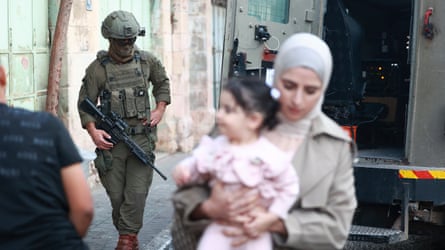
The data paints a troubling picture of how targeted violence reshapes demographic realities on the ground. More than two-thirds of households surveyed identified rising violence against women and children as the decisive factor in their decision to abandon their homes and livelihoods. This devastating pattern reveals how gendered violence functions as a weapon of displacement, fundamentally altering the social fabric of communities and forcing vulnerable populations into precarious circumstances.
Beyond the immediate trauma of violence, researchers have documented profound secondary effects cascading through affected communities. The prevalence of sexualized attacks has contributed to girls abandoning their education, creating educational deficits that will have lifelong consequences for affected individuals and their communities. Women have withdrawn from economic participation, reducing household incomes and deepening poverty cycles that extend across generations.
Perhaps most concerning, the research indicates a troubling rise in early marriage rates as families attempt to cope with insecurity by securing their daughters' futures through accelerated matrimonial arrangements. These survival strategies, while understandable in desperate circumstances, perpetuate cycles of limited opportunity and constrained agency for young women. The intersection of conflict-driven displacement, economic desperation, and cultural adaptation creates compounding disadvantages that undermine long-term development prospects.

As international attention focuses on diplomatic negotiations and ceasefire frameworks, the human toll of extended conflict continues to mount. The humanitarian crisis demands urgent action from the international community, extending beyond military solutions to address the fundamental needs of displaced populations. Economic assistance, medical support, and protection mechanisms become essential components of any sustainable resolution.
Turning to domestic security concerns, Americans face emerging threats in the employment landscape that demand vigilance and awareness. AI job scams have proliferated as fraudsters exploit widespread anxiety about artificial intelligence and employment disruption. These schemes target job seekers through deceptive postings and fake opportunities that promise unrealistic compensation for minimal effort, often requiring upfront fees or personal information before revealing their fraudulent nature.
Protecting yourself from employment-related fraud requires understanding common tactics used by scammers operating in this space. Legitimate opportunities rarely require advance fees, guarantee specific income levels, or demand personal financial information before formal employment agreements. By developing critical awareness and applying basic verification techniques, job seekers can significantly reduce their vulnerability to these schemes.

The convergence of diplomatic challenges abroad and security threats at home underscores the multifaceted nature of contemporary challenges facing American institutions. From managing complex international negotiations regarding ceasefire agreements to protecting citizens from emerging fraud schemes, policymakers and individuals alike must maintain heightened awareness across multiple domains. As Vice President Vance prepares for his mission to Pakistan, American officials work simultaneously to address these varied challenges that demand sustained attention and resources.
Source: The Guardian


