
Venezuelan Makeup Artist Seeks Asylum in Spain After US Deportation

Venezuelan makeup artist deported to El Salvador's Cecot prison now seeks asylum in Spain, citing safety concerns and distrust of US authorities.
Andry José Hernández Romero's journey represents one of the most troubling cases emerging from recent US deportation policies. The Venezuelan makeup artist was among several men sent from the United States to El Salvador's notoriously brutal Cecot prison during the Trump administration's aggressive immigration crackdown. After enduring the harrowing experience of incarceration in one of the world's most dangerous detention facilities, Hernández Romero was eventually allowed to return to Venezuela, only to discover that he could not remain there safely.
Facing an impossible situation with few viable options, Hernández Romero made the courageous decision to flee to Spain seeking asylum. He departed Venezuela in early February and has since arrived in Europe with hopes of building a new life away from the violence and persecution he experienced both in his home country and during his encounters with US immigration authorities. The decision to pursue protection in Spain came after careful consideration of his precarious circumstances and the limitations he faced in other jurisdictions.
In his first comprehensive interview since arriving in Europe, Hernández Romero revealed the deeply personal motivations behind his asylum application. He expressed profound concerns about his safety and well-being, citing experiences that left him unable to trust the US legal system or return to Venezuela where he feared for his life. Spain's comparatively progressive stance on immigration policy and refugee protection appeared to offer him a glimmer of hope for a more equitable resolution to his dire situation.

The timing of Hernández Romero's arrival in Spain coincides with broader European discussions about immigration and the treatment of vulnerable populations. His case highlights the stark differences in how various nations approach asylum seekers and displaced persons. Spain has increasingly positioned itself as a destination for those seeking protection from persecution, though the country also faces its own immigration pressures and policy debates. The nation's legal framework for asylum processing, while more generous in some respects than the US system, still presents significant challenges and uncertainties for applicants.
Hernández Romero's upcoming court hearing represents a crucial juncture in his quest for safety and stability. His legal team has been preparing documentation detailing the circumstances of his deportation, his experiences in El Salvador's prison system, and the ongoing threats he faces. The hearing will determine whether Spanish authorities recognize his claim for protection under international asylum conventions. Given the complexity of his case and the multiple jurisdictions involved, the proceedings are expected to be thorough and potentially lengthy.
The conditions at El Salvador's Cecot prison, where Hernández Romero was briefly held, have drawn widespread international condemnation from human rights organizations. The facility is known for severe overcrowding, inadequate sanitation, limited access to medical care, and reports of violence between inmates. Detainees have described traumatic experiences that left lasting psychological impacts. The decision to send individuals to such a facility raised serious questions about the appropriateness and legality of the deportation policies implemented during this period.
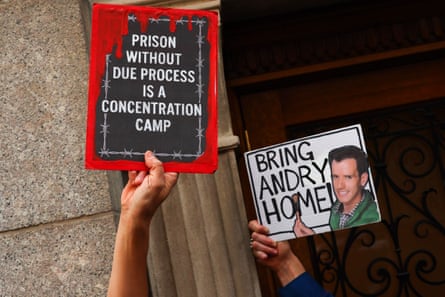
Hernández Romero's background as a makeup artist adds another dimension to his story. Before his deportation, he had built a modest career in his profession, contributing to his community and supporting himself through his skills and labor. His professional expertise and non-violent background made his inclusion in deportations intended for alleged gang members particularly controversial. Advocates have questioned the criteria used to identify individuals for deportation and whether proper vetting procedures were followed.
The Venezuelan migration crisis has been a significant driver of population movements across the Americas and increasingly to Europe. Millions of Venezuelans have fled their country in recent years due to economic collapse, political instability, and deteriorating living conditions. Many have sought refuge in neighboring Latin American countries, while others have undertaken dangerous journeys to reach the United States or other developed nations. Some, like Hernández Romero, have even pursued asylum opportunities in Europe as alternative routes to safety.
Spain's approach to Venezuelan migrants and asylum seekers has evolved considerably over the past several years. The Spanish government has committed to accepting refugees through official channels and has worked with international organizations to process claims. However, the country also grapples with managing large numbers of asylum applications and ensuring adequate resources for integration and support services. The economic integration of asylum seekers into Spanish society has become an important policy consideration, with various communities working to facilitate employment and housing.
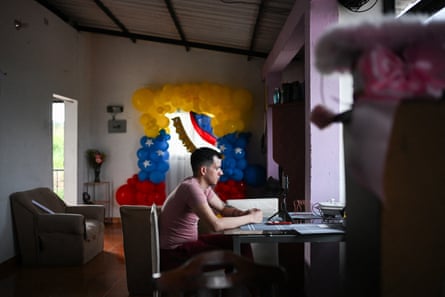
Hernández Romero's statement that he feels safe in Spain reflects a broader sentiment among asylum seekers who have found refuge there. The country offers not only legal protections but also a sense of stability and social order that contrasts sharply with the chaos and danger he experienced elsewhere. The opportunity to pursue a normal life, potentially returning to his makeup artistry or other employment, represents a fundamental shift in his circumstances. Access to Spanish social services, healthcare, and education also provides a foundation for rebuilding his life.
The broader implications of Hernández Romero's case extend beyond his individual circumstances. His experience raises important questions about deportation procedures and human rights protections in the modern immigration system. Legal experts and advocacy organizations have scrutinized the deportations to El Salvador, questioning whether appropriate due process was followed and whether vulnerable individuals were adequately identified and protected. The case serves as a reminder of the profound impacts that immigration policies can have on real people's lives.
As Hernández Romero awaits his asylum hearing, he represents one of countless individuals navigating complex international legal systems in search of safety and dignity. His journey from Venezuela to the United States, through El Salvador's prison system, back to Venezuela, and finally to Spain illustrates the desperate circumstances facing millions of migrants worldwide. The outcome of his asylum case will have significance not only for his own future but also for understanding how different nations handle similar situations and what standards of protection they maintain.
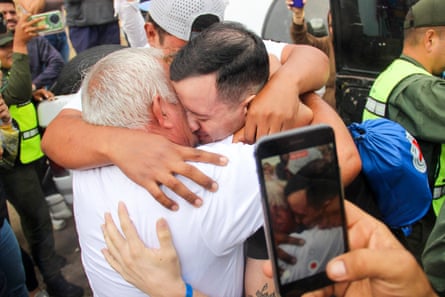
The question of whether Hernández Romero will be granted asylum in Spain remains open, but his willingness to share his story publicly demonstrates his commitment to finding a permanent solution to his precarious situation. He has chosen to trust in Spain's legal system and its stated commitment to protecting asylum seekers, hoping that transparency and honest engagement with authorities will lead to a favorable outcome. His case continues to draw attention from human rights advocates, journalists, and policymakers interested in improving immigration practices and protecting vulnerable populations from exploitation and harm.


