
Virgin Galactic's New Spaceship Faces Financial Crisis

Virgin Galactic unveils next-generation spacecraft but struggles with dwindling cash reserves and mounting operational pressures in competitive space tourism market.
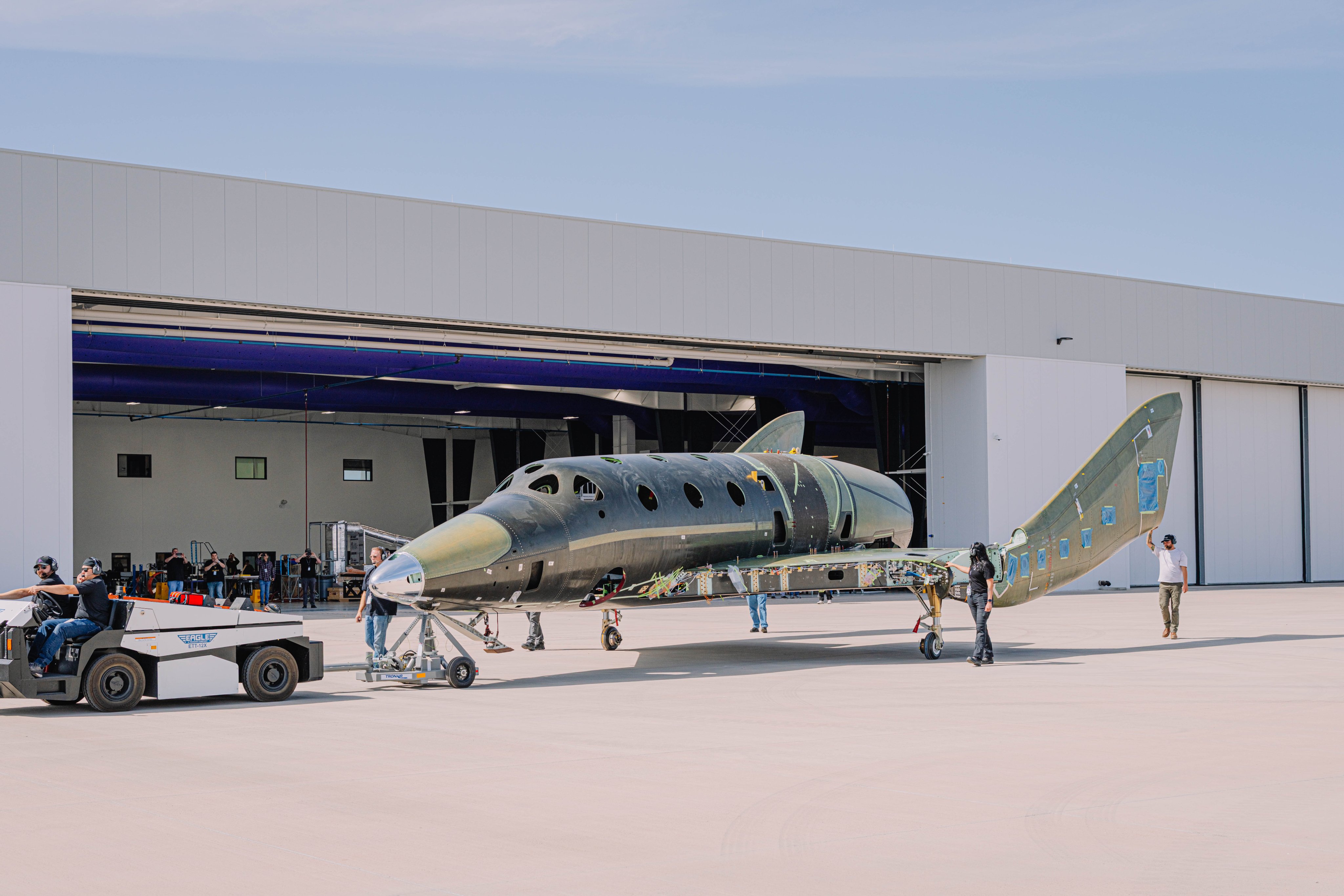
The publicly traded space tourism company Virgin Galactic made headlines this week by showcasing its highly anticipated next-generation spacecraft, which was photographed being towed outside its manufacturing facility located in Mesa, Arizona. The image, shared across the company's social media platforms on Thursday, represents a significant milestone in the company's ongoing efforts to revolutionize commercial spaceflight. However, behind this seemingly triumphant moment lies a troubling reality: the company is grappling with severe financial constraints that threaten to derail its ambitious expansion plans.
For those unfamiliar with the company's storied history, Virgin Galactic was established over two decades ago by visionary entrepreneur Sir Richard Branson with an ambitious mission to democratize space travel. The company's founding principle centered on making spaceflight accessible to everyday people rather than limiting it to elite astronauts and government officials. In the years following its founding, hundreds of forward-thinking individuals purchased tickets to experience weightlessness and witness Earth from the edge of space, demonstrating remarkable public enthusiasm for commercial spaceflight opportunities. This groundswell of support validated Branson's vision and positioned Virgin Galactic as a pioneering force in the emerging space tourism sector.
The path to achieving this dream, however, proved far more challenging and protracted than initial projections suggested. The company's development campaign spanned nearly two decades, marked by numerous technical setbacks, regulatory hurdles, and a tragic accident that claimed the lives of an experienced pilot and aerospace engineer during a 2014 test flight. Despite these obstacles and the emotional toll they inflicted on the organization, Virgin Galactic persevered in its commitment to achieving suborbital spaceflight. Finally, in December 2018, the company achieved a historic breakthrough when it successfully flew past the internationally recognized boundary of space, defined as an altitude of 80 kilometers above Earth's surface.
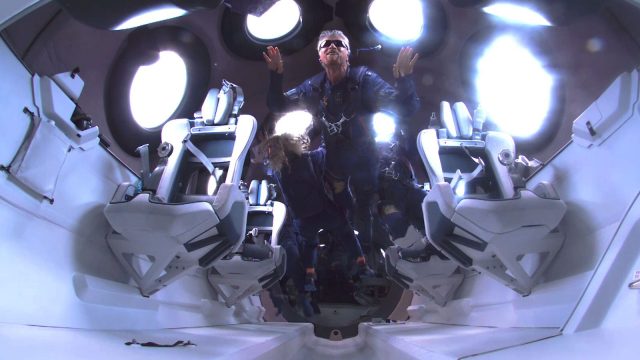
Following this historic achievement, Virgin Galactic transitioned into its commercial operations phase, marking another pivotal chapter in the company's evolution. Beginning in May 2021, the company commenced passenger flights aboard its VSS Unity spacecraft, allowing paying customers to finally experience the weightlessness and cosmic perspective they had waited years to encounter. The operational performance during 2023 demonstrated surprising consistency and capability, with the company successfully completing six distinct spaceflights throughout the year. This achievement illustrated that Virgin Galactic had overcome many of the technical and operational challenges that had plagued earlier phases of development.
However, this period of operational success proved remarkably short-lived. In June 2024, a dramatic reversal occurred when Virgin Galactic made the strategic decision to suspend all VSS Unity spaceflights indefinitely. The company announced that it was halting passenger operations to concentrate its limited engineering resources and financial capital on developing its next-generation vehicle architecture. This new spacecraft design was conceived to address fundamental limitations of the VSS Unity platform, particularly its restricted flight frequency and elevated cost structure. By pivoting toward this more advanced vehicle, Virgin Galactic hoped to unlock new commercial viability through improved operational efficiency and reduced per-flight expenses.
The newly unveiled spacecraft represents years of engineering refinement and represents the company's best hope for achieving sustainable profitability in the competitive space tourism industry. According to technical specifications, the next-generation vehicle incorporates numerous enhancements designed to increase operational cadence while simultaneously reducing marginal flight costs. Engineers have implemented lighter-weight materials, simplified maintenance procedures, and streamlined ground operations to address the primary weaknesses of its predecessor. These improvements could theoretically enable the company to conduct multiple flights per week rather than the sporadic schedule that characterized VSS Unity operations.
Yet despite these technical advances and engineering achievements, Virgin Galactic confronts a stark financial reality that threatens to overshadow any operational accomplishments. The company has been burning through its cash reserves at an alarming rate, consuming hundreds of millions of dollars annually while generating minimal revenue from its suspended passenger flight operations. Investors have grown increasingly concerned about the company's runway and its ability to reach profitability before exhausting its capital reserves entirely. This financial pressure has forced difficult decisions regarding staffing levels, facility expansion, and research and development budgets.

The broader context of Virgin Galactic's financial struggles becomes even more apparent when examined against the competitive landscape of emerging aerospace companies. Competitors including Blue Origin and other well-funded ventures have attracted substantial investment capital and demonstrated their own suborbital space tourism capabilities. These rival companies often benefit from parent organizations or backing from wealthy investors with seemingly limitless resources, giving them significant advantages in the race for market dominance. Virgin Galactic, as a publicly traded company with finite resources and demanding shareholders, lacks the financial cushion that its competitors enjoy.
The timing of the spaceship unveiling, therefore, carries significant symbolic weight beyond its technical accomplishments. The company is essentially signaling to investors, customers, and the public that progress continues despite mounting financial headwinds. The public relations strategy suggests that Virgin Galactic remains confident in its ability to develop a commercially viable next-generation platform that can compete effectively in the emerging space tourism market. Whether this optimism translates into actual operational success and profitability remains an open question that will likely determine the company's long-term viability.
Looking forward, Virgin Galactic faces a critical juncture that will define its future trajectory. The company must successfully complete the development, certification, and testing of its next-generation spacecraft while simultaneously managing its cash burn rate and maintaining investor confidence. This balancing act has proven extraordinarily difficult for space-focused ventures, as the capital requirements for aerospace development frequently exceed initial projections. The unveiled spacecraft represents both a beacon of hope and a potential last gamble for a company that has invested billions and decades into realizing Sir Richard Branson's vision of democratized spaceflight.
Industry observers will be watching closely to determine whether Virgin Galactic can successfully navigate this challenging period and emerge as a sustainable player in the commercial space industry, or whether its inability to manage financial constraints will ultimately undermine even its most impressive technical achievements. The next few months and years will prove decisive in determining whether the company's next-generation spacecraft becomes a game-changing success or another cautionary tale in the high-risk world of commercial spaceflight ventures.
Source: Ars Technica


