
Volvo EX60: Revolutionary Electric SUV

Volvo's new EX60 electric SUV features 400-mile range, megacasting tech, and 800V charging. First vehicle on SPA3 platform with cell-to-body integration.
BARCELONA, Spain—Volvo unveiled its highly anticipated all-electric EX60 in January, marking a significant milestone for the Swedish automaker's transition toward a fully electrified vehicle lineup. This groundbreaking electric SUV represents the company's commitment to sustainable automotive innovation and positions Volvo as a competitive player in the rapidly evolving EV market. The launch comes at a critical time when major manufacturers are reassessing their electrification strategies and consumer preferences continue to shift toward eco-friendly transportation options.
The EX60 serves as the first production model to be built on Volvo's revolutionary SPA3 platform, a scalable architectural foundation designed to support multiple vehicle variants across different segments. This strategic approach allows Volvo to optimize manufacturing efficiency while maintaining flexibility for future product development. The platform's modular design enables the company to leverage shared components and systems across its upcoming EV portfolio, reducing development costs and accelerating time-to-market for new models. Industry analysts view this platform strategy as essential for competing with established EV manufacturers like Tesla and newer entrants who have already achieved scale.
Delivering up to 400 miles (643 kilometers) of range on a single charge, the EX60 positions itself as a practical solution for consumers concerned about range anxiety. This impressive capability represents a substantial improvement over many competing electric midsize SUVs currently available in the market. Coupled with faster charging speeds than any previous Volvo vehicle, the EX60 addresses two primary consumer objections that have historically slowed EV adoption in traditional automotive markets. The combination of extended range and rapid charging technology addresses real-world usage patterns and long-distance travel requirements that families and professionals depend upon.
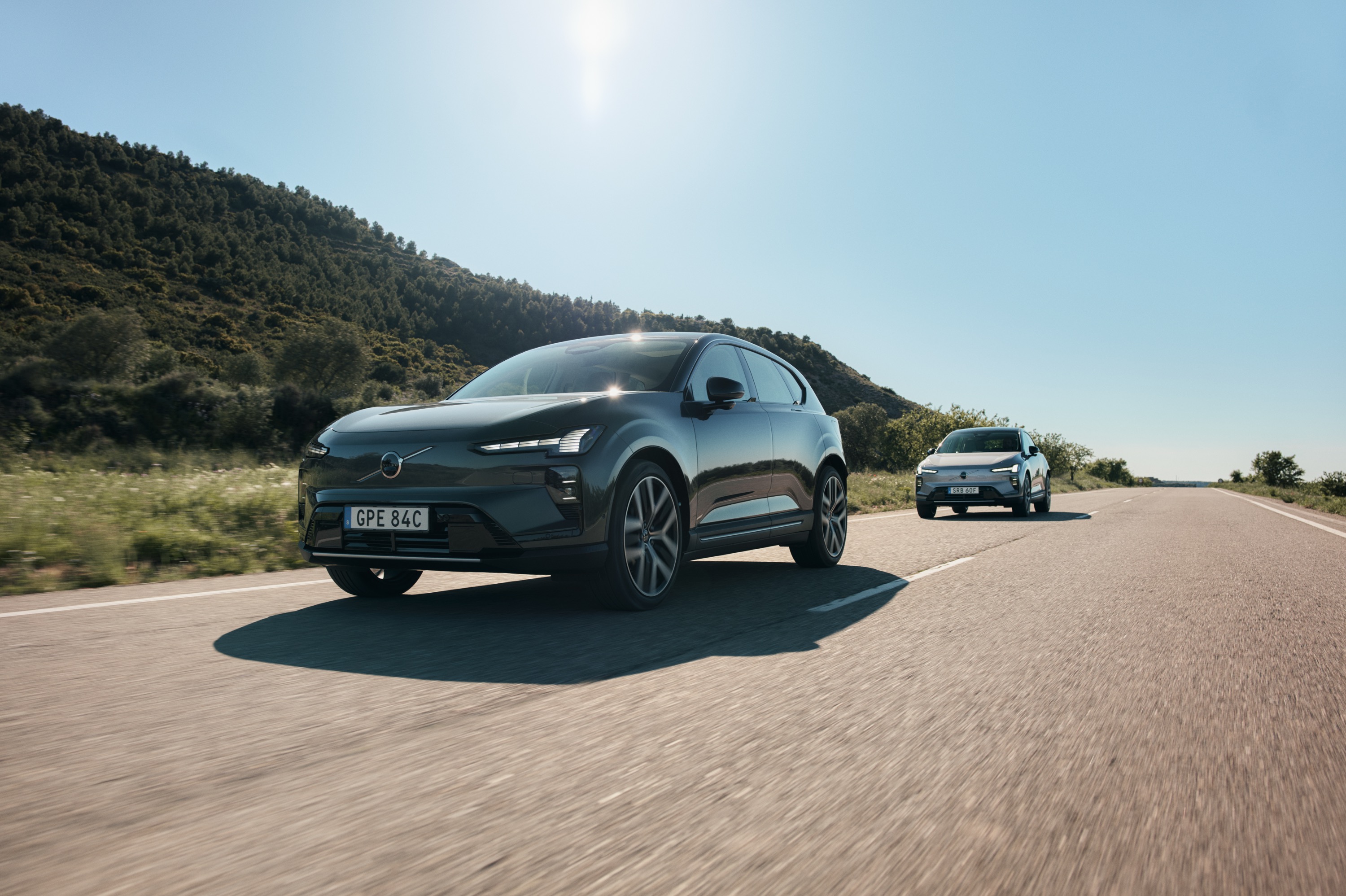
The manufacturing innovations behind the EX60 reflect Volvo's comprehensive rethinking of automobile production methods and assembly processes. The company completely reimagined how it constructs vehicles, refining every stage from component fabrication through final assembly and quality control. One revolutionary technique employed in the EX60's construction is megacasting, an advanced manufacturing process that transforms molten aluminum into single, lightweight structural components. This methodology eliminates the need for multiple welded parts, resulting in stronger, lighter structures that enhance vehicle performance while reducing material waste and manufacturing complexity.
The EX60's integration of 800V charging architecture represents a major technological advancement in rapid energy replenishment capabilities. This high-voltage electrical system enables dramatically faster charging times compared to conventional 400V systems found in earlier generation vehicles. The 800V infrastructure supports the latest generation of DC fast chargers, allowing drivers to replenish significant battery capacity in remarkably brief timeframes. This technological leap addresses one of the most significant pain points in EV ownership and contributes substantially to making electric vehicle ownership more practical and convenient for mainstream consumers.
Perhaps the most innovative aspect of the EX60's design is its adoption of cell-to-body integration, a structural battery configuration that incorporates battery cells directly into the vehicle's floor and wall structures. Rather than treating the battery as a separate component housed beneath the vehicle, Volvo engineers designed the battery to serve as a load-bearing element that contributes to overall chassis rigidity and structural integrity. This integrated approach maximizes interior space utilization, reduces vehicle weight, improves handling characteristics, and optimizes the distribution of crash energy throughout the vehicle's structure. The cell-to-body integration represents a paradigm shift in EV design philosophy and demonstrates Volvo's engineering sophistication.
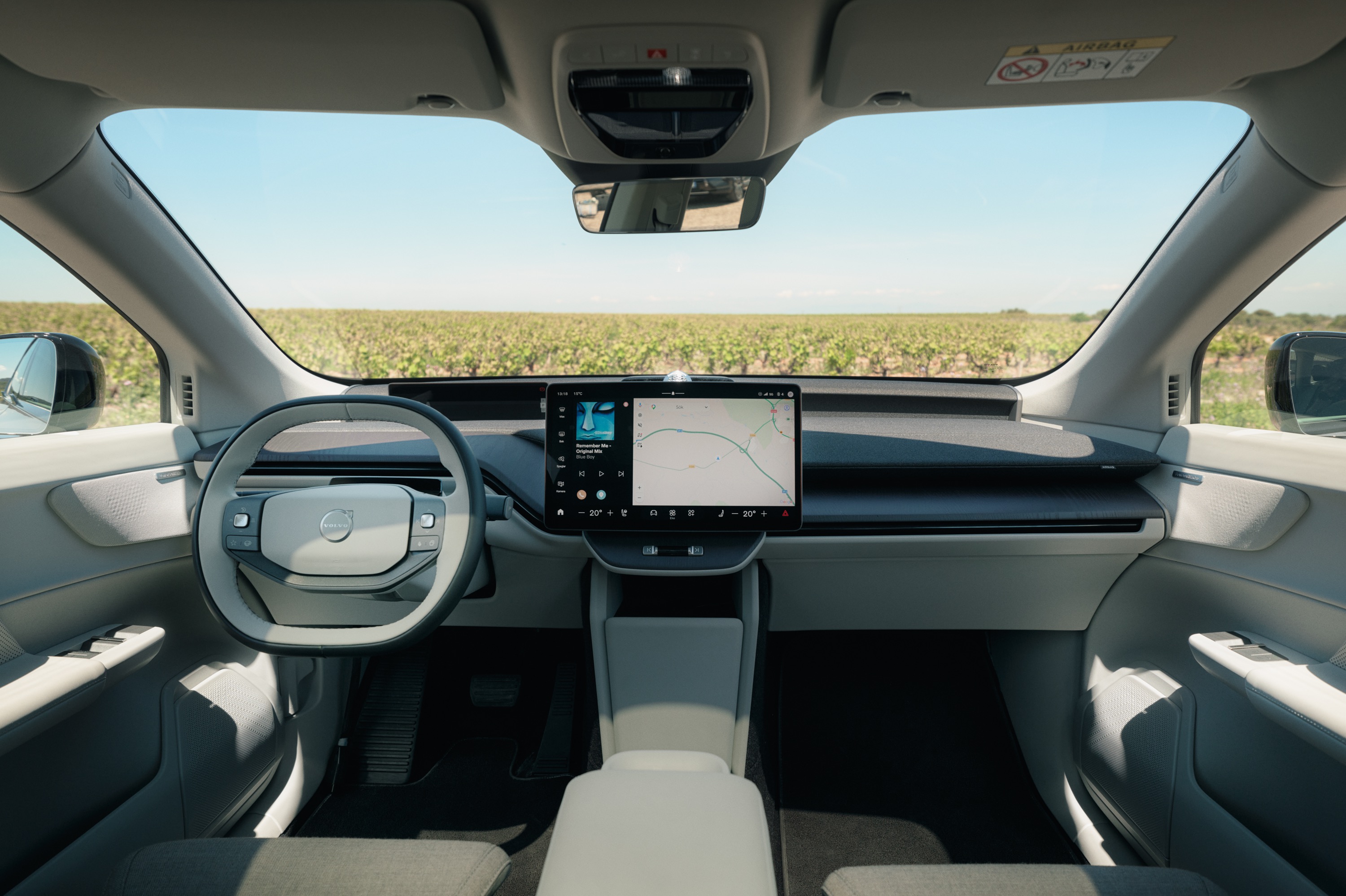
While the broader automotive market displays considerable uncertainty regarding electric vehicle demand, particularly in the United States where consumer sentiment remains mixed, the vast majority of established manufacturers continue advancing their electrification initiatives. Companies that have already invested billions in EV development infrastructure recognize that abandoning these projects would represent substantial financial losses. The competitive dynamics of the automotive industry virtually guarantee that major players will persist in launching new electric vehicle models regardless of short-term market fluctuations. Volvo's commitment to the EX60 reflects confidence in long-term EV market growth despite current market volatility.
Volvo's previous success with the compact EX30, launched at the conclusion of 2023, provided valuable experience in production scaling and supply chain management. The EX30 established the company as a credible EV manufacturer while demonstrating consumer appetite for affordable, sustainability-focused electric vehicles. Building on this foundation, the EX60 targets a higher market segment with enhanced features, expanded capabilities, and premium positioning. The progression from the EX30 to the EX60 reflects Volvo's strategic approach of offering electric vehicles across multiple price points and customer segments, from budget-conscious buyers to affluent consumers seeking advanced technology and performance.

The automotive manufacturing landscape continues evolving rapidly as traditional producers adapt to technological disruption and changing consumer preferences. Volvo's comprehensive overhaul of its production methodology demonstrates that established automakers can innovate and adopt cutting-edge manufacturing practices alongside emerging competitors. The meticulous attention to production refinement across all stages ensures consistent quality and reliability, critical factors that differentiate premium manufacturers from budget-focused competitors. Industry observers recognize that manufacturing excellence combined with technological innovation provides Volvo with competitive advantages in the increasingly crowded EV market.
The EX60's launch represents a crucial test of Volvo's ability to compete in the intensely competitive electric vehicle segment while maintaining profitability and brand positioning. Success with this model could validate the company's overall electrification strategy and provide momentum for subsequent models based on the SPA3 platform. Conversely, market reception will provide valuable feedback regarding consumer priorities, pricing strategy, and feature preferences that could influence future product development decisions. The EX60 ultimately represents far more than a single vehicle model—it embodies Volvo's commitment to sustainable transportation and its confidence in the long-term viability of electric mobility as the automotive industry's inevitable future direction.
Source: Ars Technica


