
Voters Face 'Grotesque' Tactics in English Elections

Voters encounter misleading leaflets and questionable data tactics during English elections. Analysis reveals concerning campaign practices affecting electoral integrity.
English voters are increasingly confronting what critics describe as misleading campaign materials and questionable data practices during local and national elections across the country. A comprehensive analysis of electoral materials has revealed troubling patterns in how political campaigns are being conducted, with particular focus on the tactics employed by major parties to influence voter behavior and suppress opposition support.
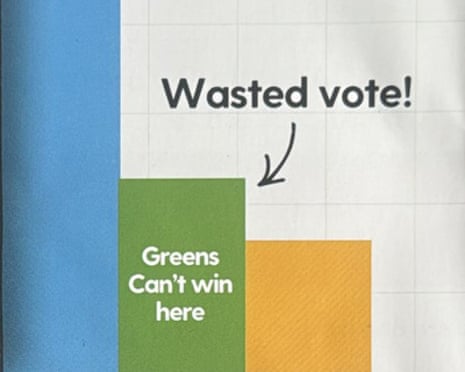
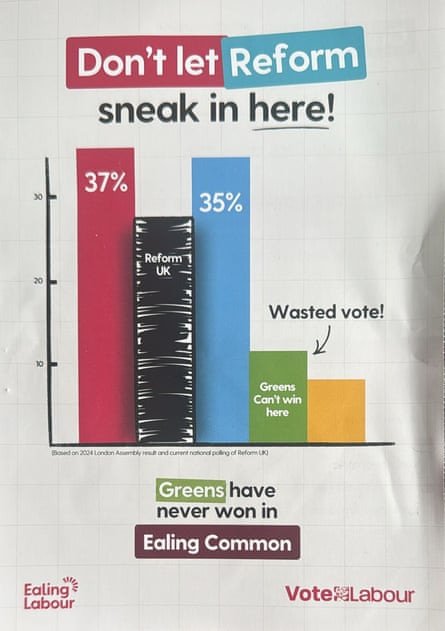
The investigation examined numerous political leaflets distributed to households throughout English constituencies, uncovering a particularly concerning trend. Many of these materials contained claims asserting that competing parties "can't win here," a tactic designed to discourage supporters of rival candidates from voting. Campaign strategists have long employed this psychological approach to consolidate support among their own voters while attempting to demoralize opposition supporters through what experts characterize as defeatist messaging.
This form of electoral campaigning has drawn sharp criticism from election observers, voting rights advocates, and members of the public who view such tactics as fundamentally unethical. The use of such messaging raises important questions about the integrity of democratic processes and whether voters are receiving accurate, honest information about their electoral choices. Critics have labeled these materials as "grotesque" in their approach to manipulating public opinion through misleading assertions about electoral viability.
Beyond the controversial leaflet campaigns, researchers have also identified concerning patterns in how voter data is being collected, analyzed, and utilized by political organizations. The practices described as "dodgy" involve questionable methods of gathering personal information about voters and using this data to target specific demographics with tailored messaging. This sophisticated approach to data harvesting raises significant privacy concerns and questions about informed consent in the electoral process.
The data analysis techniques employed by modern political campaigns have become increasingly sophisticated, utilizing advanced algorithms and artificial intelligence to identify swing voters and microtarget messaging to specific demographic groups. While such practices are not necessarily illegal, critics argue that the lack of transparency and oversight means voters often have no idea how their personal information is being used to influence their voting decisions. The opacity of these processes stands in stark contrast to traditional notions of transparent political discourse.
Election officials and independent observers have expressed growing alarm about the cumulative effect of these tactics on democratic participation. When voters encounter what they perceive as misleading information and suspect their personal data is being manipulated, confidence in electoral systems can erode. This erosion of trust in the legitimacy of elections represents a serious challenge to democratic governance and the fundamental principle that elections should be decided by informed voters making free choices.
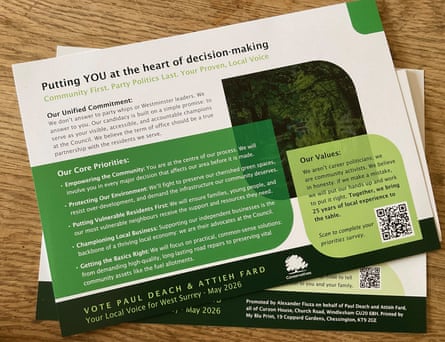
The analysis conducted by electoral watchdogs and independent researchers has documented specific examples of how misleading campaign tactics are deployed across different regions. In some constituencies, leaflets make categorical claims about which parties can and cannot win without providing substantive evidence or reasoning for these assertions. These materials often fail to engage with actual policy differences or provide voters with the information they need to make informed choices about which candidates and parties best represent their interests.
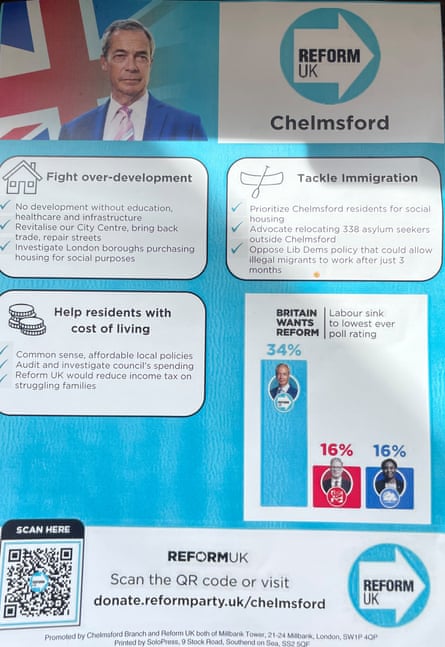
Political scientists have noted that such tactics represent a departure from traditional forms of democratic competition based on substantive policy debate. Instead of arguing about differing visions for the future or competing on track records and policy proposals, campaigns increasingly focus on manipulating perceptions about electoral viability. This shift in electoral strategy reflects broader concerns about the health of democratic discourse and the quality of information available to voters during election campaigns.
The concern about electoral integrity extends beyond individual tactics to encompass the broader ecosystem of political communication. When multiple parties employ misleading tactics simultaneously, and when voters are uncertain about the reliability of information they receive, the entire electoral process becomes compromised. Public confidence in the fairness and legitimacy of elections requires that voters believe they are receiving honest information and that their votes will be counted fairly and accurately.
Regulatory bodies and election commissions have begun examining whether existing guidelines and regulations adequately address these modern challenges to electoral integrity. The rapid evolution of campaigning techniques has often outpaced the development of regulatory frameworks, creating significant gaps in oversight. Some observers have called for stronger requirements regarding transparency in campaign financing, data usage, and the factual accuracy of campaign materials.
The public response to revelations about these electoral practices has been mixed but notably skeptical. Many voters express frustration with what they view as increasingly manipulative and dishonest campaign tactics. There is growing demand for stronger regulation and greater transparency in how political campaigns operate, with particular emphasis on protecting voter privacy and ensuring that campaign materials meet higher standards for factual accuracy.
As English elections continue to unfold, the tension between evolving campaign techniques and traditional democratic values remains unresolved. Voters must navigate an increasingly complex informational landscape where distinguishing between legitimate political argument and manipulative propaganda has become more difficult. The need for greater transparency, stronger regulation, and more ethical campaign practices has never been more urgent, as the integrity of democratic processes depends on voters' ability to make informed decisions based on accurate information and fair electoral competition.
Source: The Guardian


