
VP Vance Backs UK Anti-Immigration Movement

US Vice President JD Vance expressed support for UK anti-immigration activists at Tommy Robinson's London rally, sparking international controversy and debate.
In a significant moment that has drawn considerable international attention, US Vice President JD Vance has voiced his support for anti-immigration activists in the United Kingdom, encouraging them to persist in their efforts. This statement came in the wake of a substantial gathering in London where tens of thousands of demonstrators assembled to voice their concerns about immigration policy and national identity.
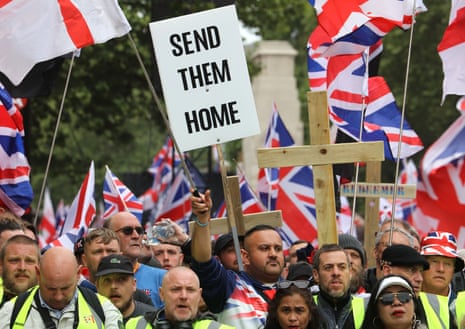
The rally in question, which took place on Saturday in the nation's capital, was organized around the initiative branded as 'Unite the Kingdom.' The event attracted a significant crowd of supporters who gathered to hear speeches and engage in collective action regarding their immigration-related grievances. The scale of the demonstration underscored the depth of feeling among certain segments of the British population regarding immigration matters, making it one of the more notable public assemblies of recent times.
Far-right activist Tommy Robinson served as a prominent figure at the gathering, delivering remarks to the assembled crowd that emphasized the need for preparedness and mobilization. Robinson, a controversial figure in British political discourse, characterized the moment as a potential turning point, invoking the historical reference of a "battle of Britain" to frame the contemporary immigration debate in dramatic terms.
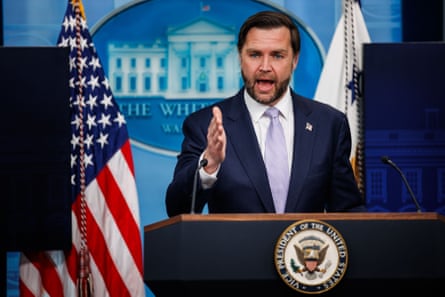
The appearance and remarks by Vice President Vance have added a new international dimension to the domestic British debate on immigration policy. By expressing encouragement to the movement's participants, Vance appeared to position himself and, by extension, the United States administration, as aligned with the concerns and objectives of the rally attendees. This alignment represents a notable statement of solidarity from one of the highest-ranking officials in the American government.
The timing of Vance's comments during his official capacity as US Vice President has raised eyebrows among diplomatic observers and political analysts on both sides of the Atlantic. Such explicit backing for a particular political movement, especially one with connections to figures considered controversial in international circles, represents an unusual intervention by senior American officials in the domestic affairs of a close ally. The statement has prompted discussions about the appropriate boundaries of diplomatic engagement and the influence of American political figures on international movements.
The UK immigration debate has become increasingly contentious in recent years, with substantial portions of the population expressing concerns about the pace and scale of immigration into the country. Various political parties and activist groups have mobilized around these concerns, creating what some observers describe as a polarized landscape where immigration policy dominates public discourse. The rally organized under the 'Unite the Kingdom' banner represents one manifestation of this broader political movement taking shape across British society.
Tommy Robinson's history as a prominent figure in British far-right activism adds complexity to the international response to the rally and Vance's comments. Robinson has long been a polarizing figure, having founded the English Defence League and subsequently becoming involved in various political and activist endeavors. His role in organizing and addressing this particular gathering has meant that the event carries associations that have generated controversy beyond the borders of the United Kingdom.
The encouragement from the US Vice President to continue organizing and advocating for anti-immigration positions has been interpreted by supporters as validation of their cause on the world stage. For critics, however, the remarks represent a troubling example of senior American officials lending their platform and prestige to movements that they contend promote exclusionary politics. This divergence in interpretation reflects broader disagreements about immigration policy, national identity, and the appropriate role of international figures in domestic political debates.
Political analysts have noted that Vance's comments fit within a broader pattern of shifting attitudes within American political circles regarding immigration restriction and nationalist movements internationally. The Vice President has previously articulated positions that emphasize border security and skepticism toward immigration at elevated levels, making his encouragement to the British activists consistent with his established political philosophy. However, the explicit nature of his support for a specific foreign political movement represents a more direct intervention than is typical for senior American officials.
The diplomatic implications of such statements extend to the relationship between the United States and the United Kingdom, two nations that have historically maintained close political, military, and cultural ties. When senior officials from one country publicly align themselves with specific political movements or activists in another country, it can affect the bilateral relationship and raise questions about respect for sovereignty and appropriate channels of communication. British officials have had to navigate the situation carefully, balancing their responsibility to respond to statements by a senior American official while maintaining diplomatic decorum.
The rally itself and the surrounding controversy have contributed to ongoing debates within British society about how to address public concerns regarding immigration while maintaining social cohesion and respect for democratic norms. Different political parties and civil society organizations have advanced various perspectives on how best to proceed with immigration policy discussions and public debates. The involvement of international figures, particularly those holding significant governmental positions, has injected additional layers of complexity into these already challenging conversations.
Looking forward, the implications of Vance's statements for UK-US relations and for the broader political landscape in both countries remain to be fully understood. The Vice President's explicit encouragement to continue anti-immigration advocacy may serve to embolden similar movements in other countries and could influence how future diplomatic engagement between the two nations proceeds. The incident illustrates the increasingly interconnected nature of contemporary politics, where remarks made by officials in one country can rapidly circulate and influence political discourse in another.
The response from various political quarters continues to evolve as the implications of the Vice President's statements are digested and analyzed. Some observers have praised Vance for taking a principled stand in support of what they view as legitimate concerns about immigration and national identity, while others have criticized the remarks as inappropriate interference in British domestic politics. The debate surrounding these comments reflects deeper disagreements about immigration policy, national sovereignty, and the role of international political figures in shaping domestic discourse.
Source: The Guardian


