
War-Fueled Surge in Food Prices Rocks Global Markets

Energy costs spike from Middle East conflict drive up food commodity prices, especially for vegetable oil and sugar, UN report finds.
The ongoing conflict in the Middle East has taken a heavy toll on global food prices, according to a new report from the United Nations' Food and Agriculture Organization (FAO). The FAO Food Price Index saw a 2.4% increase in March, marking the second consecutive monthly rise in food commodity prices around the world.
The biggest contributors to this spike were vegetable oil and sugar prices, which jumped by 5% and 7% respectively. Experts attribute this largely to the surging energy costs driven by the war in the region, as well as disruptions to global freight and transportation networks.
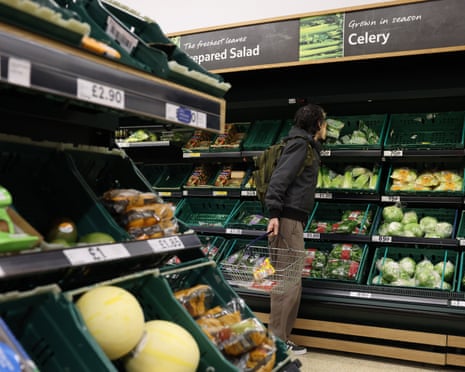
"The impacts of the conflict in Ukraine, as well as the uncertainty it has caused, continue to rattle global food markets and disrupt supply chains," said Maximo Torero, chief economist at the FAO. "This is presenting real challenges for consumers, businesses and governments worldwide."
The rising food prices are being felt most acutely in lower-income countries that rely heavily on imports of basic foodstuffs. Many nations are now grappling with high inflation and shortages, exacerbating existing hunger and food insecurity issues.
Experts warn that the situation is likely to get worse before it gets better, as the conflict in Ukraine drags on and the sanctions on Russian energy and agricultural exports continue to reverberate through global supply chains. Governments and international organizations are scrambling to find ways to mitigate the impacts on vulnerable populations and stabilize food markets.
"We're in uncharted territory," said Torero. "The combination of factors at play here is creating an extremely volatile and unpredictable situation that poses serious risks to food security around the world."
Source: The Guardian


