
Warsh Denies Trump Deal, Calls for Fed Overhaul

Kevin Warsh addresses Epstein connections and sock puppet allegations during Fed confirmation hearing, denies interest rate negotiations with Trump.
Kevin Warsh faced intense questioning during his confirmation hearing for a leadership position at the Federal Reserve, where he categorically denied entering into any backroom agreements with former President Donald Trump regarding interest rate policy. The former Fed governor's testimony touched on controversial topics ranging from his past associations to his vision for dramatic institutional reform at the nation's central banking authority. His responses provided crucial insights into how he plans to approach the role if confirmed by the Senate.
When pressed by lawmakers about potential Trump interest rate negotiations, Warsh firmly rejected suggestions that he had made any private deals with the former president. He emphasized that his monetary policy positions have been developed independently and are based on economic principles rather than political considerations. This denial directly addressed concerns from Democratic senators who worried that a Warsh-led Fed could prioritize political interests over sound economic management.
The hearing also delved into Warsh's past associations and controversial moments from his public life. Senators questioned him about connections to matters he characterized as personal and unrelated to his qualifications for the Federal Reserve position. Warsh acknowledged these inquiries but maintained that his professional record and economic expertise should be the primary focus of the confirmation process.
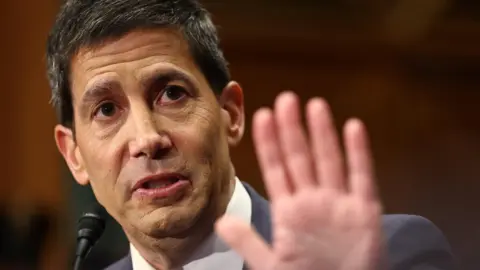
One of the more unusual aspects of the hearing involved questions about "sock puppet" accounts and online activity. Warsh addressed these allegations directly, dismissing them as distractions from substantive policy discussions. The Federal Reserve confirmation process has increasingly become a forum for examining candidates' digital footprints and online behavior, reflecting broader concerns about accountability in the modern era.
Warsh outlined an ambitious agenda for Federal Reserve reform that would represent a significant departure from the institution's current operational structure. He advocated for what he termed "regime change" at the central bank, suggesting that fundamental alterations to how the Fed conducts its affairs are necessary. His vision includes restructuring decision-making processes and potentially reshaping the Fed's relationship with political institutions.
The nominee's reform proposals generated substantial discussion during the hearing, with some senators expressing enthusiasm for institutional change while others voiced concerns about radical departures from established central banking practices. Warsh articulated his belief that the current Fed structure has become too insular and disconnected from broader economic realities. He suggested that modernizing the institution's governance and operations would improve its effectiveness in managing monetary policy.
Throughout his testimony, Warsh demonstrated extensive knowledge of monetary policy, economic indicators, and the Fed's regulatory responsibilities. He discussed his previous experience as a Fed governor and his work in various economic capacities, establishing his credentials for the position. His articulate responses to technical economic questions showcased his command of complex financial systems and policy mechanisms.
The Senate confirmation hearing also touched on Warsh's views regarding inflation management and employment objectives. He addressed the Fed's dual mandate to maintain price stability while promoting maximum employment, outlining his perspective on balancing these sometimes competing priorities. His comments suggested a nuanced approach to these fundamental economic challenges.
Democratic senators expressed particular concern about preserving the Federal Reserve independence from political pressure. They sought assurances that Warsh would resist attempts to influence monetary policy for partisan purposes. Warsh repeatedly emphasized his commitment to the Fed's institutional independence and its critical role in maintaining economic stability.
Republican senators largely focused their questions on Warsh's reform agenda and his views on regulatory oversight. They appeared interested in his perspectives on the Fed's regulatory authority and his thoughts on the appropriate scope of central banking responsibilities. The questioning reflected partisan differences in how lawmakers view the Fed's role in the broader economy.
Warsh's previous experience at the Federal Reserve provided substantial material for senators to explore. As a former Fed governor, he had participated in major policy decisions during significant economic periods. Senators asked him to reflect on past decisions and explain how those experiences informed his current policy positions and reform proposals.
The confirmation hearing highlighted ongoing debates about the proper structure and function of the Federal Reserve in the 21st century. Warsh's testimony contributed to these discussions by presenting one perspective on how the institution should evolve. His candidacy has become a focal point for broader arguments about central banking authority and economic governance in America.
Throughout the proceeding, Warsh maintained a largely professional demeanor while addressing sensitive topics. He acknowledged the unusual nature of some questions while steering the conversation back to substantive policy matters whenever possible. His approach suggested a strategy of focusing on qualifications and policy vision rather than engaging deeply with peripheral controversies.
The hearing concluded without a final confirmation vote, as additional Senate procedures and deliberations typically follow such hearings. Committee members indicated they would review Warsh's responses and testimony before making recommendations to the full Senate. The timeline for a final confirmation vote remained uncertain as of the hearing's conclusion.
Warsh's Federal Reserve leadership vision represents a potential inflection point for how the central bank operates and perceives its mission. If confirmed, his positions on institutional reform could influence monetary policy approaches and the Fed's regulatory framework for years to come. The Senate's deliberations on his nomination will likely continue to generate significant attention from economists, policymakers, and financial markets observers.
Source: BBC News


