
Waymo Recalls 4,000 Robotaxis Over Flooded Road Incident

Waymo initiates major recall of nearly 4,000 autonomous vehicles after one vehicle entered flooded road. OTA software fix deployed to prevent future incidents.
Waymo, the autonomous vehicle subsidiary of Alphabet Inc., has announced a significant recall affecting nearly 4,000 of its robotaxis following an incident where one of its vehicles inadvertently drove directly into a flooded roadway. The company has responded swiftly by deploying an over-the-air (OTA) software update designed to prevent similar occurrences in the future, demonstrating the importance of continuous improvement in autonomous driving safety protocols.
The incident that prompted this recall highlights the challenges that self-driving technology companies face when operating in real-world conditions, particularly in scenarios involving unexpected environmental hazards. Water-covered roads present a unique challenge for autonomous systems, as they obscure road markings and can be difficult for computer vision systems to accurately detect and classify as unsafe terrain. The vehicle's failure to recognize and avoid the flooded area raises important questions about how autonomous systems assess risk and make safety decisions in ambiguous situations.
Waymo's decision to implement an over-the-air software fix represents a modern approach to addressing safety concerns in the autonomous vehicle industry. Rather than requiring physical recalls where vehicles must be brought into service centers, OTA updates allow the company to deploy corrective software directly to its fleet, ensuring that the fix reaches all affected vehicles simultaneously and efficiently. This method of deployment has become increasingly common in the tech industry, where connected devices can receive updates wirelessly.
The autonomous vehicle sector has made considerable progress in recent years, with companies like Waymo leading the charge in developing and testing self-driving technology in urban environments. However, incidents like this one serve as important reminders that even advanced artificial intelligence and sensor systems have limitations and edge cases that require continuous refinement and improvement. The company's transparent response to the issue may help build consumer confidence in autonomous vehicle technology.
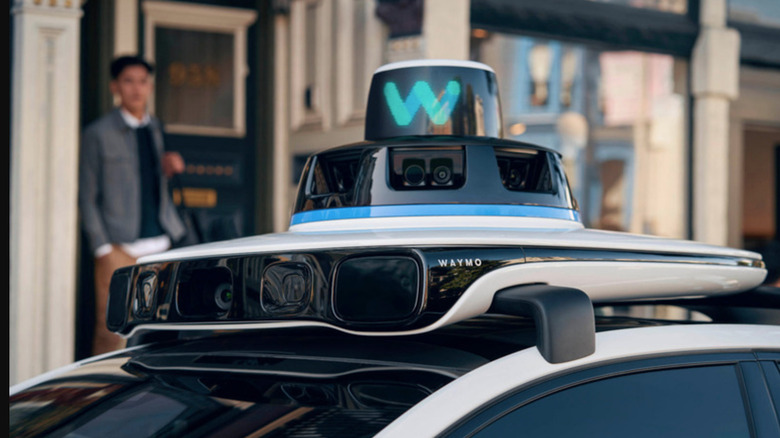
Environmental hazards, including flooded roads, represent a category of challenges that autonomous systems must learn to navigate safely. During heavy rainfall or in areas prone to flooding, roads can become obscured or unsafe for passage, yet human drivers typically possess experience and intuition about evaluating water depth and road conditions. Autonomous systems must develop similarly reliable methods for identifying these hazards, which may involve multiple sensor inputs including cameras, lidar, radar, and potentially integration with real-time weather data and road condition reports.
The specific mechanics of how this particular vehicle encountered the flooded road remain an important focus for analysis. Understanding the decision-making process of the autonomous driving system at each stage—from initial detection of the hazard, through evaluation of alternatives, to the ultimate failure to avoid the obstacle—provides crucial insights for engineering improvements. Waymo engineers likely conducted a thorough investigation to identify exactly where in the perception and decision-making pipeline the system failed to adequately assess the danger.
Safety is paramount in the autonomous vehicle industry, and regulators are watching closely as companies expand their fleets and operational areas. The National Highway Traffic Safety Administration (NHTSA) and other regulatory bodies maintain oversight of autonomous vehicle deployments and have established frameworks for investigating incidents and requiring recalls when necessary. Waymo's proactive approach in addressing this issue demonstrates the company's commitment to meeting safety standards and maintaining regulatory compliance.
The deployment of the software fix across nearly 4,000 vehicles represents a substantial portion of Waymo's active fleet in commercial operation. This fleet primarily operates in cities like Phoenix, San Francisco, Los Angeles, and Austin, providing robotaxi services to passengers in these markets. The wide deployment of the corrective software ensures that all vehicles operating in these regions benefit from the improved hazard detection and avoidance capabilities.
The incident also underscores the importance of AI safety and robustness in autonomous systems. Machine learning models, which form the foundation of modern autonomous driving systems, are trained on vast datasets of driving scenarios, but they cannot be exposed to every possible real-world condition during training. Consequently, edge cases—unusual or unexpected situations—can occasionally cause systems to behave unexpectedly. Continuous monitoring of fleet operations, as Waymo appears to do, helps identify these edge cases so engineers can develop solutions.
Consumer adoption of autonomous vehicle services has grown steadily in the markets where Waymo operates, with many riders expressing confidence in the technology's safety and reliability. However, incidents like this flooded road encounter can affect public perception and trust, making transparent communication about problems and solutions essential for the industry's long-term success. Waymo's willingness to discuss the recall and explain the corrective measures demonstrates a commitment to accountability and transparency.
The competitive landscape in autonomous vehicle development includes several major players, each working to solve similar technical challenges and achieve safe, reliable autonomous driving at scale. Companies such as Tesla, Aurora, Cruise, and various international manufacturers are pursuing their own approaches to autonomous vehicles, each with different technology stacks and operational strategies. Waymo's handling of this incident may set industry precedents for how companies address safety issues and communicate with regulators and the public.
Looking forward, the lessons learned from this incident will likely inform the development of more robust environmental hazard detection systems in autonomous vehicles. Engineers may explore enhanced sensor fusion techniques, improved machine learning models trained on more diverse scenarios, or integration of external data sources such as real-time road condition reports and weather information. Each improvement contributes to the overall goal of making autonomous vehicles safer than traditional vehicles operated by human drivers.
The broader implications of this recall extend beyond Waymo itself, affecting the entire autonomous vehicle industry's trajectory and public acceptance. As autonomous vehicles become more prevalent on city streets, establishing clear safety protocols and demonstrating effective response mechanisms to identified problems becomes crucial for regulatory approval and public confidence. Waymo's swift action in addressing this issue demonstrates the company's understanding of these dynamics and its commitment to responsible deployment of autonomous technology.
Source: Engadget


