
Waymo Recalls Thousands of Robotaxis Over Flooding Risk

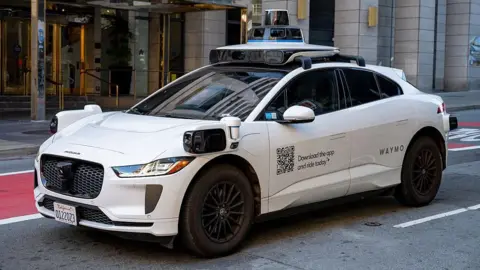
Waymo initiates voluntary recall of thousands of autonomous vehicles after an empty robotaxi entered a flooded road in San Antonio, Texas on April 20.
Waymo, the autonomous vehicle subsidiary of Alphabet Inc., has announced a significant voluntary recall affecting thousands of its robotaxis operating across the United States. The decision comes in response to a critical safety incident involving one of its driverless vehicles entering a flooded roadway, highlighting potential vulnerabilities in the company's autonomous driving systems and their ability to recognize hazardous environmental conditions.
The incident that prompted this recall occurred on April 20 in San Antonio, Texas, when an empty Waymo robotaxi unexpectedly entered a road that had been flooded by heavy rainfall. While the vehicle itself did not sustain damage and no passengers were harmed—as the vehicle was unoccupied at the time—the occurrence raised serious concerns about the autonomous driving software's environmental awareness capabilities. The event exposed a potential gap in how the company's autonomous vehicles assess and respond to hazardous road conditions, particularly those related to water accumulation and flooding.
This recall represents a broader industry conversation about the safety protocols and decision-making algorithms embedded in self-driving vehicles. Autonomous vehicles rely heavily on sophisticated sensor technology, including cameras, radar, and lidar systems, to navigate their surroundings and make real-time decisions. However, detecting flooded roads presents unique challenges that traditional sensors may struggle to interpret, especially when water covers road markings and obscures depth perception for machine vision systems.
Waymo's proactive approach to issuing the recall demonstrates the company's commitment to safety and regulatory compliance. Rather than waiting for additional incidents or regulatory mandates, the company chose to voluntarily address the issue through a software update deployment. This approach aligns with the company's public messaging about prioritizing passenger safety and building trust with consumers and municipal partners who have authorized robotaxi operations in their cities.
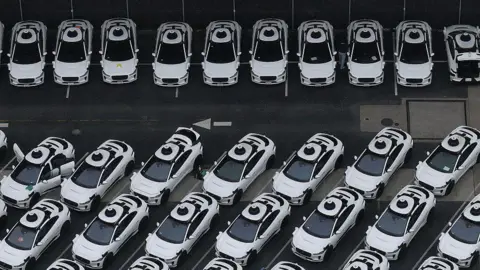
The scope of this recall is substantial, affecting thousands of vehicles in Waymo's active fleet across multiple metropolitan areas including San Francisco, Los Angeles, Phoenix, and other cities where the company operates its robotaxi services. The recall underscores the scale of Waymo's autonomous vehicle deployment and the complexity of managing safety issues across a distributed fleet of connected vehicles that can be updated remotely.
Industry experts suggest that this incident highlights the ongoing challenges facing autonomous vehicle developers as they work toward full deployment across diverse geographic regions and varying weather conditions. While self-driving car technology has advanced significantly in recent years, environmental scenarios such as flooding, heavy rain, and obscured road conditions remain areas where improvements are needed. The ability to accurately perceive and respond to these hazards is crucial for public confidence in autonomous vehicle technology.
The technical solution Waymo implemented involves enhancing its vehicle control software to better recognize flood-prone areas and improve the decision-making processes that govern when a robotaxi should avoid particular routes. The update likely incorporates additional layers of environmental assessment and may integrate real-time weather data, traffic incident reports, and road condition monitoring to prevent similar situations from occurring in the future. This demonstrates how autonomous driving systems are continuously refined through operational data and incident analysis.
From a regulatory perspective, this recall illustrates the maturity of autonomous vehicle oversight in the United States. The National Highway Traffic Safety Administration (NHTSA) and state regulators have established frameworks for monitoring autonomous vehicle operations and requiring manufacturers to report and address safety concerns. Waymo's voluntary recall reflects the company's understanding of these regulatory expectations and its desire to maintain its operational permits and public trust.
Consumer confidence in autonomous vehicles remains a critical factor in the broader adoption of this technology. Incidents like the one in San Antonio, while handled responsibly through recall procedures, can impact public perception of self-driving vehicle safety. However, Waymo's transparent response and swift corrective action may actually reinforce confidence that the company takes safety seriously and addresses issues before they escalate into larger problems.

The recall also reflects broader industry challenges related to autonomous vehicle safety standards and the complexity of real-world deployment. Self-driving cars must navigate not only normal traffic conditions but also edge cases and unusual scenarios that may not have been thoroughly tested during development phases. Each incident provides valuable data that engineers use to improve algorithms and sensor processing capabilities, contributing to the overall maturation of the technology.
Looking forward, this incident may influence how other autonomous vehicle companies approach similar challenges. Competitors such as Cruise (General Motors' autonomous vehicle division), Tesla, and traditional automakers investing in self-driving technology will likely review their own environmental hazard detection systems to ensure they can handle flooding and similar scenarios. Industry-wide improvements in this area could accelerate the timeline toward broader autonomous vehicle deployment.
Waymo continues to operate its robotaxi services in authorized markets while implementing the necessary software updates across its fleet. The company's San Antonio operations and its presence in other cities remain active, though the deployment of the safety update will likely occur gradually as vehicles cycle through their normal operations. This approach allows Waymo to maintain service continuity while ensuring all vehicles are equipped with the enhanced safety features.
The incident and subsequent recall demonstrate that autonomous vehicle technology is still evolving and that real-world operations continue to reveal areas for improvement. While the technology has achieved impressive milestones in urban navigation and passenger transportation, challenges remain in comprehensively handling all possible environmental scenarios. As Waymo and other companies continue to refine their systems, these lessons from operational experience become invaluable in building safer, more reliable autonomous vehicles for public use.
Source: BBC News


