
Weathering AI's Impact: UK and EU Markets Soar on 'Halo' Investments

Investors pivot toward physical, AI-resistant assets like energy and transport infrastructure to safeguard their portfolios as AI disrupts the global economy, says Goldman Sachs.
As the global economy braces for the sweeping impact of artificial intelligence (AI), investors are shifting their focus toward physical assets that are partially shielded from the threat of technological disruption. This new investment strategy, dubbed the 'Halo trade,' has been a significant driver behind the record highs recently reached by the UK and EU markets.
The term 'Halo' stands for 'heavy assets, low obsolescence,' and it reflects a growing investor preference for companies with tangible, productive assets that are less susceptible to AI-driven upheaval. Energy infrastructure, transportation companies, and other sectors with durable physical operations are at the forefront of this trend, as investors seek to safeguard their portfolios from the potentially disruptive effects of AI.
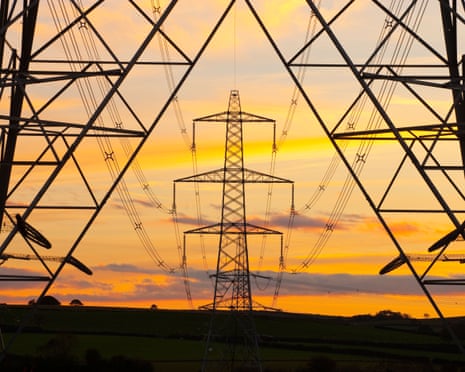
According to Goldman Sachs, this shift toward Halo investments has been a key factor in the recent record highs reached by the UK and EU markets. As AI continues to reshape industries and disrupt traditional business models, investors are increasingly gravitating toward companies with resilient, physical assets that are less vulnerable to technological disruption.
The rise of the Halo trade underscores the growing awareness among investors of the transformative power of AI and the need to adapt their investment strategies accordingly. By focusing on companies with durable, tangible assets, investors are seeking to build portfolios that can withstand the sweeping changes brought about by AI and emerge stronger in the long run.
As the global economy continues to grapple with the implications of AI, the Halo trade is likely to remain a prominent feature of the investment landscape, as savvy investors seek to navigate the challenges and capitalize on the opportunities presented by this technological revolution.
Source: The Guardian


