
Weinstein Faces Third Mistrial in NY Rape Case

Harvey Weinstein's rape trial ends in mistrial for the third time. The 74-year-old former film producer faces ongoing legal battles in New York.
In a significant development in one of Hollywood's most prominent legal cases, a New York judge has declared yet another mistrial in the rape case against Harvey Weinstein, the 74-year-old former film mogul whose fall from grace sparked the #MeToo movement. This marks the third occasion that a New York jury has grappled with determining the guilt or innocence of the disgraced film producer, underscoring the complexity and divisiveness of the charges he faces. The declaration leaves the legal proceedings in limbo, with questions swirling about the future trajectory of this closely watched case that has captivated public attention for years.
The repeated mistrials highlight the extraordinary challenges prosecutors face in securing a conviction against Weinstein in New York courts. Each time a jury has been seated and the case has been presented, the panel has found itself deadlocked or unable to reach a unanimous verdict on the serious allegations brought against the once-powerful Hollywood figure. The inability to reach consensus among jurors reflects the intricate nature of sexual assault cases, where evidence interpretation, witness credibility, and legal standards can vary significantly among members of the jury pool.
Weinstein's legal troubles have stretched across multiple jurisdictions and have resulted in various outcomes. In California, the former producer received a 16-year sentence related to sexual assault convictions, establishing a significant portion of his prison time. However, the New York cases have proven to be particularly contentious, with the repeated mistrials suggesting that achieving unanimous jury agreement on the specific charges has been extraordinarily difficult for the prosecution.
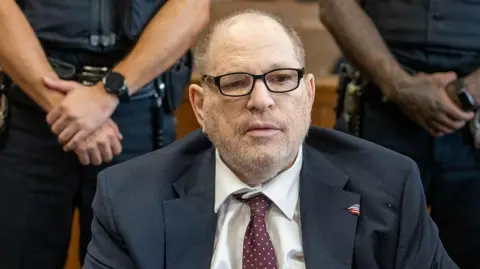
The legal strategy employed by defense attorneys has consistently emphasized the complexity of distinguishing between consensual encounters and criminal behavior, particularly when examining historical events and examining witness recollections that may have occurred years or decades prior. The defense team has worked to introduce doubt regarding the credibility of accusers and to present alternative narratives regarding the circumstances surrounding the alleged incidents. These efforts have resonated with at least some jurors in previous trials, contributing to the inability to secure unanimous verdicts.
Throughout this prolonged legal process, sexual assault allegations against Weinstein have involved numerous women who came forward to describe their experiences with the former producer. These accounts often involved scenarios within the film industry where Weinstein held considerable power and influence over casting decisions and career opportunities. The testimonies presented in court have painted a picture of a man who allegedly exploited his position of authority to pursue sexual encounters, though the specifics of individual cases and the legal standards for proving criminal conduct beyond reasonable doubt have proven challenging in practice.
The repeated mistrials raise important questions about the intersection of criminal justice and high-profile cases involving prominent figures. They underscore how even in cases with significant public attention and widespread media coverage, securing unanimous jury verdicts remains a fundamental requirement of the American legal system. Each juror must be convinced beyond a reasonable doubt, and the inability to achieve this consensus among twelve individuals has now occurred multiple times in Weinstein's New York proceedings.
The broader implications of the repeated mistrials extend beyond Weinstein himself to encompass questions about how the legal system addresses allegations of sexual misconduct in power-imbalanced relationships. The cases have drawn scrutiny from advocates for sexual assault survivors, who have expressed frustration with the challenges of securing convictions even when accusers come forward publicly and testify in court. Conversely, defense advocates have pointed to the mistrials as evidence that the legal system is functioning as intended by requiring clear and convincing evidence before imposing criminal penalties.
From a practical standpoint, each mistrial necessitates the entire process beginning anew, including jury selection, presentation of evidence, witness testimony, and closing arguments. This represents an enormous expenditure of judicial resources, prosecution resources, and defense resources. The repeated cycles also raise questions about the emotional and psychological toll on the accusers who have come forward, as they must continually revisit their traumatic experiences in a public courtroom setting.
Legal experts have offered varied perspectives on what the repeated mistrials suggest about the state of rape case prosecution in modern America. Some argue that the outcomes demonstrate the inherent difficulties in prosecuting decades-old cases that often lack corroborating physical evidence or contemporaneous documentation. Others suggest that the mistrials reveal potential biases among jury members or difficulties in jury instructions related to credibility assessments and the evaluation of witness testimony in historical abuse cases.
The role of the prosecution in these cases cannot be overlooked, as they have undertaken the burden of presenting sufficient evidence to convince each of twelve jurors of Weinstein's guilt. The strategy of calling accusers to testify has meant that survivors have had to endure cross-examination from defense attorneys seeking to undermine their credibility or introduce alternative explanations for the events they described. The emotional demands on these witnesses have been considerable, yet securing convictions has remained elusive.
Looking forward, questions remain about whether the prosecution will choose to retry the case once again or whether they might pursue alternative legal strategies. Each mistrial adds to the already substantial legal expenses incurred by both the prosecution and the defense. The case has also raised awareness about the practical realities of pursuing criminal charges in sexual assault cases, particularly those involving historical allegations and power dynamics within industries like entertainment.
The Weinstein case continues to serve as a focal point in broader conversations about accountability, power, and justice in the context of sexual misconduct allegations. While the repeated mistrials may frustrate those who advocate for survivors of sexual assault, they also reflect the fundamental principle that convictions in criminal cases require overwhelming proof and unanimous jury agreement. As the legal proceedings continue to unfold, the case remains a significant landmark in American jurisprudence regarding how the justice system handles complex allegations of sexual misconduct involving prominent figures.
Source: BBC News


